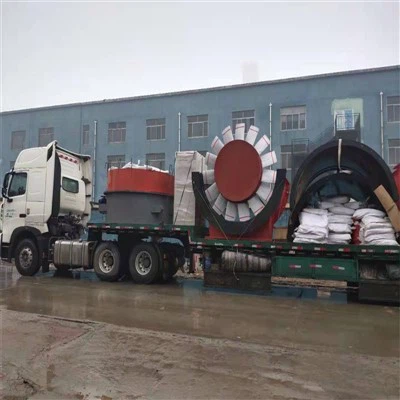
Installing a highway tunnel fan in an existing tunnel is a complex yet crucial task that demands careful planning, technical expertise, and a deep understanding of tunnel ventilation requirements. As a leading Highway Tunnel Fan supplier, we have extensive experience in providing high - quality ventilation solutions for various tunnel projects. In this blog, we will guide you through the step - by - step process of installing a highway tunnel fan in an existing tunnel.
1. Initial Assessment and Planning
Before any installation work begins, a comprehensive assessment of the existing tunnel is essential. This includes evaluating the tunnel's length, cross - sectional area, traffic volume, and the current ventilation system (if any). Understanding these factors will help determine the appropriate type and capacity of the highway tunnel fan required.
We offer a wide range of fans, such as the Highway Tunnel Ventilator, which is designed to meet the specific ventilation needs of highway tunnels. Our experts can conduct on - site inspections and use advanced simulation tools to model the airflow and pollutant dispersion in the tunnel. This allows us to accurately calculate the required air volume, pressure, and fan performance parameters.
2. Selecting the Right Fan
Based on the assessment results, the next step is to select the most suitable highway tunnel fan. There are different types of fans available, including axial flow fans and centrifugal fans. Axial flow fans, like our High - Performance Tunnel Ventilation Fan – Axial Flow Jet Fan for Underground Projects (2025), are commonly used in tunnel ventilation due to their high efficiency and ability to generate a large amount of airflow in a relatively small space.
When choosing a fan, factors such as fan efficiency, noise level, reliability, and maintenance requirements should be considered. Our fans are engineered with the latest technology to ensure high efficiency, low noise operation, and long - term reliability. They are also designed for easy maintenance, which helps reduce downtime and operating costs.
3. Preparation of the Installation Site
Once the fan is selected, the installation site in the tunnel needs to be prepared. This involves clearing the area of any debris, ensuring proper access for equipment and personnel, and checking the structural integrity of the tunnel walls and ceiling where the fan will be mounted.
If necessary, modifications may need to be made to the tunnel structure to accommodate the fan. For example, mounting brackets or platforms may need to be installed. Our installation team has the expertise to carry out these modifications safely and in compliance with relevant safety standards.
4. Fan Installation
The actual installation of the highway tunnel fan is a critical step that requires precision and attention to detail. The fan should be carefully lifted and positioned at the designated location using appropriate lifting equipment. The mounting brackets or platforms should be securely attached to the tunnel structure to ensure the fan's stability.
Electrical connections also need to be made correctly. Our fans are equipped with high - quality electrical components, and our technicians will ensure that all electrical wiring is properly installed, grounded, and protected. This helps prevent electrical failures and ensures the safe operation of the fan.
5. Ductwork Installation (if required)
In some cases, ductwork may be required to direct the airflow from the fan to the desired areas in the tunnel. The ductwork should be designed and installed to minimize pressure losses and ensure efficient airflow distribution.
Our engineers can design customized ductwork solutions based on the specific requirements of the tunnel. The ductwork materials should be selected for their durability, fire resistance, and low friction characteristics. During installation, proper sealing of the duct joints is crucial to prevent air leakage.
6. Testing and Commissioning
After the fan and ductwork (if any) are installed, a series of tests need to be conducted to ensure the proper functioning of the ventilation system. This includes performance testing of the fan, airflow measurement, and pressure testing of the ductwork.
We use state - of - the - art testing equipment to accurately measure the fan's performance parameters, such as air volume, pressure, and power consumption. Any deviations from the design specifications can be identified and corrected during this stage. Once the tests are successful, the ventilation system can be commissioned for normal operation.
7. Training and Maintenance
To ensure the long - term reliability and performance of the highway tunnel fan, proper training and maintenance are essential. We provide comprehensive training programs for tunnel operators and maintenance personnel. These programs cover topics such as fan operation, safety procedures, and basic maintenance tasks.
Regular maintenance is also crucial to prevent breakdowns and extend the lifespan of the fan. Our maintenance services include scheduled inspections, cleaning, lubrication, and replacement of worn - out parts. We also offer remote monitoring services, which allow us to continuously monitor the fan's performance and detect any potential issues in real - time.


8. Safety Considerations
Safety is of utmost importance during the installation and operation of highway tunnel fans. All installation work should be carried out in compliance with relevant safety regulations and standards. Personal protective equipment (PPE) should be worn by all personnel involved in the installation process.
During operation, the ventilation system should be designed to prevent the accumulation of pollutants and ensure a safe environment for tunnel users. Emergency shutdown procedures should be in place in case of any malfunctions or safety hazards.
9. Cost - effectiveness and Sustainability
In addition to performance and safety, cost - effectiveness and sustainability are also important factors to consider. Our fans are designed to be energy - efficient, which helps reduce operating costs over the long term. We also use environmentally friendly materials and manufacturing processes to minimize our environmental impact.
By choosing our Booster Blower and other ventilation products, you can ensure that your tunnel ventilation system is not only cost - effective but also sustainable.
Conclusion
Installing a highway tunnel fan in an existing tunnel is a multi - step process that requires careful planning, the right equipment, and professional installation and maintenance. As a trusted Highway Tunnel Fan supplier, we are committed to providing high - quality ventilation solutions that meet the specific needs of our customers.
If you are planning to install a highway tunnel fan in an existing tunnel or have any questions about our products and services, we encourage you to contact us for a consultation. Our team of experts will be happy to assist you in every step of the process, from initial assessment to long - term maintenance.
References
- ASHRAE Handbook of HVAC Applications.
- International Tunnelling and Underground Space Association (ITA) Guidelines for Tunnel Ventilation.
- Relevant national and local building and safety codes for tunnel construction and ventilation systems.