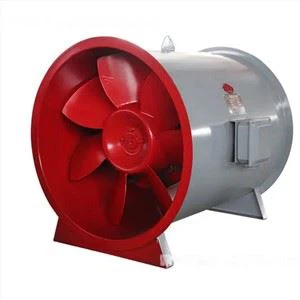
Hey there! I'm a supplier of highway tunnel fans, and I often get asked this question: How often should a highway tunnel fan be maintained? Well, let's dive right into it.
Why Maintenance Matters
First off, why is maintenance so important for highway tunnel fans? These fans play a crucial role in ensuring the safety and functionality of highway tunnels. They help to remove pollutants, control air quality, and prevent the build - up of dangerous gases like carbon monoxide. In case of a fire, they can also direct smoke away from the tunnel, giving people more time to evacuate safely.
A well - maintained fan operates more efficiently. It uses less energy, which can save a significant amount of money in the long run. On the flip side, a poorly maintained fan can lead to breakdowns, which might cause traffic disruptions and even pose risks to public safety.
Factors Affecting Maintenance Frequency
There isn't a one - size - fits - all answer to how often a highway tunnel fan should be maintained. Several factors come into play:
1. Usage
If a tunnel is in heavy use, with a large volume of traffic passing through it every day, the fans will have to work harder. This means they are more likely to experience wear and tear. For example, a tunnel near a major city center or an industrial area will probably need more frequent maintenance compared to a tunnel in a rural area with less traffic.
2. Environmental Conditions
The environment around the tunnel can also have a big impact. Tunnels in coastal areas are exposed to saltwater, which can cause corrosion. In areas with high levels of dust or pollutants, the fans may get clogged more quickly. In contrast, tunnels in cleaner environments may not need maintenance as often.
3. Fan Type
Different types of fans have different maintenance requirements. For instance, the Tunnel Explosion Proof Reversible Blower is designed for specific safety - critical applications. It may need more regular inspections to ensure its explosion - proof features are working correctly. On the other hand, a Booster Blower used to increase air pressure might have its own set of maintenance needs based on its unique design and function.
4. Manufacturer's Recommendations
The manufacturer of the fan usually provides guidelines on maintenance intervals. These recommendations are based on extensive testing and research. It's always a good idea to follow them as closely as possible.
General Maintenance Intervals
Based on industry standards and common practices, here are some general guidelines for maintenance intervals:
Daily Checks
Some basic checks can be done on a daily basis. Operators can visually inspect the fans for any obvious signs of damage, such as loose parts or unusual vibrations. They can also check the control panel to ensure that the fans are operating at the correct speed and pressure.


Weekly to Monthly Inspections
Once a week or month, more in - depth inspections should be carried out. This includes checking the fan blades for cracks or signs of erosion. The motor and bearings should also be inspected for proper lubrication and temperature. Any abnormal noises during operation should be investigated immediately.
Quarterly to Semi - Annual Maintenance
Every three to six months, a more comprehensive maintenance routine should be performed. This may involve cleaning the fans to remove dust and debris. The electrical connections should be tightened, and the belts (if any) should be checked for tension and wear.
Annual Maintenance
Once a year, a full - scale maintenance operation is usually necessary. This includes a complete disassembly of the fan for a detailed inspection. Worn - out parts should be replaced, and the fan should be recalibrated to ensure optimal performance. For example, a Denitrification Fan used for reducing nitrogen oxides in the tunnel air may need a thorough check of its catalytic converters during the annual maintenance.
The Importance of Professional Maintenance
While some basic checks can be done by tunnel operators, it's crucial to have professional maintenance teams involved. These teams have the expertise and specialized tools to perform complex maintenance tasks. They can also identify potential problems before they turn into major issues.
Professional maintenance teams can also provide detailed reports on the condition of the fans. These reports can be used to plan future maintenance and make informed decisions about when to replace aging fans.
Cost - Benefit Analysis of Maintenance
Some tunnel operators may be hesitant to invest in regular maintenance due to the cost. However, it's important to consider the long - term benefits. Regular maintenance can extend the lifespan of the fans, reducing the need for costly replacements. It can also prevent unexpected breakdowns, which can be extremely expensive in terms of traffic disruptions, emergency repairs, and potential legal liabilities.
In the long run, the cost of maintenance is far outweighed by the savings and safety benefits it provides.
Contact Us for Your Highway Tunnel Fan Needs
If you're in charge of a highway tunnel and need high - quality fans or professional maintenance services, we're here to help. As a leading supplier of highway tunnel fans, we offer a wide range of products, including the Tunnel Explosion Proof Reversible Blower, Booster Blower, and Denitrification Fan.
We can also provide customized maintenance plans based on your specific needs. Whether you need daily checks or annual overhauls, our team of experts will ensure that your fans are always in top - notch condition.
Don't hesitate to reach out to us to discuss your requirements. We're committed to providing the best products and services to keep your highway tunnels safe and functional.
References
- "Highway Tunnel Ventilation Design Manual" - Federal Highway Administration
- "Maintenance Best Practices for Industrial Fans" - American Society of Mechanical Engineers
- Industry reports from leading tunnel ventilation equipment manufacturers