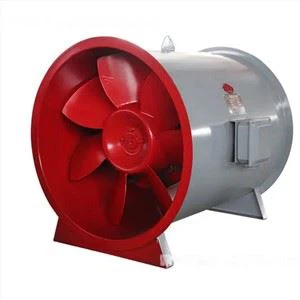
When it comes to indoor axial fans, one of the most common decisions buyers face is whether to choose a direct - drive or a belt - drive model. As an indoor axial fan supplier, I've encountered numerous customers with questions about these two types of fans. In this blog, I'll delve into the differences between direct - drive and belt - drive indoor axial fans to help you make an informed decision.
1. Working Principle
Direct - Drive Indoor Axial Fans
A direct - drive indoor axial fan operates on a relatively simple principle. The motor is directly connected to the fan blades. This means that the rotation of the motor shaft is transferred directly to the fan blades, causing them to spin. There are no intermediate components like belts or pulleys involved in this power transmission process. The simplicity of the direct - drive system reduces the number of parts that can fail, which in turn enhances the reliability of the fan.
Belt - Drive Indoor Axial Fans
In contrast, a belt - drive indoor axial fan uses a belt and pulley system to transfer power from the motor to the fan blades. The motor rotates a pulley, and the belt that is wrapped around this pulley and another pulley attached to the fan blade shaft transfers the rotational force. This setup allows for some flexibility in the speed of the fan blades. By changing the size of the pulleys, the speed ratio between the motor and the fan blades can be adjusted, enabling a wider range of operating speeds.
2. Efficiency
Energy Efficiency
Direct - drive fans generally have higher energy efficiency. Since there are no belts or pulleys to cause power losses through friction, almost all of the electrical energy consumed by the motor is converted into mechanical energy for rotating the fan blades. This results in less wasted energy and lower electricity bills over time.
Belt - drive fans, on the other hand, can experience some energy losses due to the friction between the belt and the pulleys. However, if the belt is properly maintained and the pulleys are well - aligned, these losses can be minimized. Some modern belt - drive systems are designed to be quite efficient, but they still typically lag behind direct - drive fans in this aspect.
Airflow Efficiency
In terms of airflow efficiency, direct - drive fans often have an edge. The direct connection between the motor and the fan blades allows for a more precise control of the blade rotation speed and direction. This can lead to a more consistent and efficient airflow, especially in applications where a steady and strong airflow is required.
Belt - drive fans can also provide good airflow, but the flexibility in speed adjustment can sometimes lead to less precise control. If the belt slips or the pulleys are not properly sized, the airflow may become uneven or less efficient.
3. Noise Level
Direct - Drive Fans
Direct - drive fans are usually quieter. The absence of belts and pulleys means there are fewer moving parts that can generate noise. Additionally, the direct connection between the motor and the blades reduces vibrations, which are a common source of noise in fans. This makes direct - drive fans an ideal choice for environments where low noise levels are crucial, such as bedrooms, offices, or libraries.
Belt - Drive Fans
Belt - drive fans can be noisier, especially if the belt is loose or the pulleys are misaligned. The movement of the belt on the pulleys can create a humming or rattling sound, and the vibrations from the belt - driven system can also contribute to the overall noise level. However, with proper maintenance and high - quality components, the noise of belt - drive fans can be reduced to an acceptable level.
4. Maintenance Requirements
Direct - Drive Fans
Direct - drive fans have relatively low maintenance requirements. Since there are no belts to replace or pulleys to align, the main maintenance tasks usually involve cleaning the fan blades and motor to prevent dust and debris buildup, and checking the motor bearings periodically for wear. This simplicity makes direct - drive fans a convenient option for users who prefer a hassle - free solution.
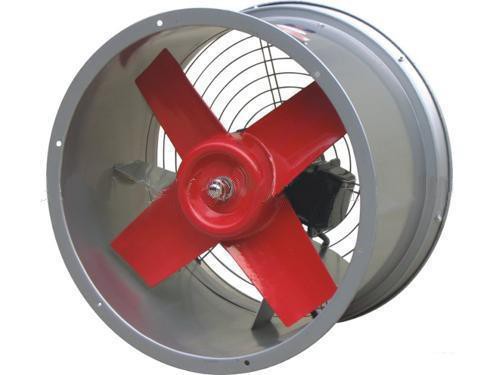

Belt - Drive Fans
Belt - drive fans require more maintenance. The belts need to be checked regularly for wear and tension. Over time, belts can stretch or wear out, and they need to be replaced to ensure proper operation. The pulleys also need to be inspected for alignment and wear. If the pulleys are not aligned correctly, it can cause the belt to wear unevenly and reduce the efficiency of the fan.
5. Cost
Initial Cost
Direct - drive fans often have a higher initial cost. The technology and design of direct - drive motors are generally more advanced, which contributes to the higher price. However, this higher upfront investment can be offset by the long - term savings in energy costs and maintenance.
Belt - drive fans are usually more affordable in terms of the initial purchase price. The belt and pulley system is a relatively simple and inexpensive technology, making these fans a budget - friendly option for those with limited funds.
Long - Term Cost
When considering the long - term cost, direct - drive fans can be more cost - effective. Their higher energy efficiency means lower electricity bills over time, and their lower maintenance requirements reduce the need for frequent repairs and part replacements.
Belt - drive fans may seem cheaper at first, but the cost of replacing belts and maintaining the pulley system can add up over the life of the fan, potentially making them more expensive in the long run.
6. Application Suitability
Direct - Drive Fans
Direct - drive fans are well - suited for applications where high efficiency, low noise, and low maintenance are important. They are commonly used in residential settings, such as in bathrooms, kitchens, and bedrooms, as well as in commercial spaces like offices and retail stores. They are also a good choice for applications where a precise and consistent airflow is required, such as in some industrial ventilation systems.
Belt - Drive Fans
Belt - drive fans are often preferred in applications where a wide range of speed adjustment is needed. For example, in large industrial workshops or warehouses, the ability to adjust the fan speed according to the specific ventilation requirements can be very useful. They are also suitable for applications where the fan needs to operate at high speeds for extended periods, as the belt - drive system can help dissipate heat more effectively than a direct - drive system.
As an indoor axial fan supplier, we offer a wide range of both direct - drive and belt - drive indoor axial fans to meet the diverse needs of our customers. If you are interested in our Wall Axial Fan or other indoor axial fan products, please feel free to contact us for more information and to discuss your specific requirements. We are committed to providing high - quality products and excellent customer service to ensure that you find the perfect fan for your application.
References
- ASHRAE Handbook of Fundamentals. American Society of Heating, Refrigerating and Air - Conditioning Engineers.
- Fan Engineering: A Practical Guide. Buffalo Forge Company.