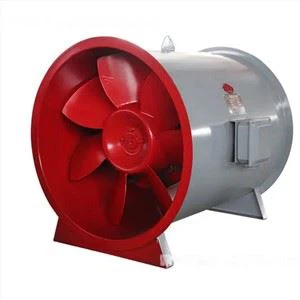
Hey there! I'm a supplier of Wall Axial Fans, and I've heard a lot of customers complain about strange noises coming from their fans. It can be quite annoying, right? In this blog post, I'm going to dive into the possible reasons behind these strange noises and give you some insights on how to deal with them.
1. Loose Components
One of the most common reasons for a wall axial fan to make strange noises is loose components. Over time, the vibrations from the fan's operation can cause screws, bolts, or other parts to become loose. When these parts rattle against each other or the fan housing, it creates that annoying noise.
To check for loose components, you can start by visually inspecting the fan. Look for any screws that seem to be coming loose or parts that look out of place. You can also try gently shaking the fan to see if you can hear any rattling. If you find any loose parts, simply tighten them up using the appropriate tools. This should solve the problem in most cases.
2. Bearing Issues
The bearings in a wall axial fan are responsible for supporting the rotating shaft and allowing it to spin smoothly. If the bearings are worn out or damaged, they can cause a variety of strange noises, such as grinding, squealing, or humming.
There are a few signs that can indicate bearing problems. For example, if you notice that the fan is starting to vibrate more than usual, or if the noise gets louder when the fan is running at higher speeds, it could be a sign of bearing wear. You can also try to feel the bearings by gently touching the fan housing near the shaft. If the bearings are hot to the touch, it's a good indication that they're under stress and may need to be replaced.
Replacing the bearings can be a bit tricky, especially if you're not familiar with the inner workings of the fan. In most cases, it's best to have a professional technician handle the replacement. They have the tools and expertise to ensure that the new bearings are installed correctly and that the fan is running smoothly again.
3. Fan Blade Damage
Another possible cause of strange noises is damage to the fan blades. If a blade is bent, cracked, or chipped, it can create an imbalance in the fan's rotation, which leads to vibrations and noise.
Inspecting the fan blades is relatively easy. You can simply turn off the fan and visually examine the blades for any signs of damage. If you find a damaged blade, it's important to replace it as soon as possible. Continuing to run the fan with a damaged blade can not only cause more noise but also put additional stress on the motor and other components, potentially leading to more serious problems down the road.
When replacing the fan blades, make sure to use blades that are specifically designed for your fan model. Using the wrong blades can affect the fan's performance and may even void the warranty.
4. Motor Problems
The motor is the heart of the wall axial fan, and if it's not working properly, it can cause all sorts of strange noises. Some common motor problems include overheating, electrical issues, or mechanical failures.
If the motor is overheating, it can produce a burning smell or a high-pitched whining noise. This can be caused by a variety of factors, such as a blocked air intake, a faulty capacitor, or a problem with the motor's wiring. To prevent the motor from overheating, make sure that the fan is installed in a well-ventilated area and that there are no obstructions blocking the air intake or exhaust.
Electrical issues, such as a loose connection or a short circuit, can also cause strange noises. If you suspect an electrical problem, it's important to turn off the fan immediately and have a qualified electrician inspect the wiring. Working with electricity can be dangerous, so it's best to leave it to the professionals.
Mechanical failures, such as a worn-out motor shaft or a damaged gearbox, can also lead to noise. These types of problems are usually more serious and may require the replacement of the entire motor. Again, it's best to have a professional technician diagnose and repair the problem.
5. Airflow Obstructions
Sometimes, the strange noises coming from a wall axial fan can be caused by airflow obstructions. If there are objects blocking the air intake or exhaust of the fan, it can disrupt the normal airflow and create turbulence, which results in noise.


To check for airflow obstructions, take a look around the fan and make sure that there are no boxes, furniture, or other items blocking the air passages. You should also clean the fan regularly to remove any dust or debris that may have accumulated on the blades or in the housing. A clean fan will not only run more quietly but also more efficiently.
What to Do Next?
If you've tried all of the above solutions and the strange noises still persist, it may be time to consider replacing the fan. Over time, fans can wear out and become less efficient, and sometimes it's just more cost-effective to replace the entire unit rather than trying to repair it.
As a Wall Axial Fan supplier, I can offer you a wide range of high-quality fans to choose from. Our fans are designed to be quiet, efficient, and reliable, and we offer a variety of sizes and models to meet your specific needs.
If you're interested in purchasing a new wall axial fan or have any questions about the ones we offer, feel free to reach out to us. We're here to help you find the perfect fan for your application and to ensure that you're completely satisfied with your purchase.
In conclusion, strange noises coming from a wall axial fan can be caused by a variety of factors, including loose components, bearing issues, fan blade damage, motor problems, and airflow obstructions. By identifying the root cause of the problem and taking the appropriate steps to fix it, you can enjoy a quiet and efficient fan for years to come.
References
- "Axial Fan Troubleshooting Guide." Industrial Fan Manufacturer.
- "How to Maintain Your Wall Axial Fan." HVAC Magazine.
- "Common Fan Problems and Solutions." Fan Experts Blog.