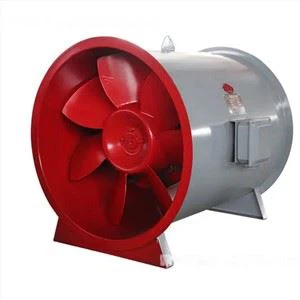
When it comes to subway ventilation systems, the subway wind fan plays a crucial role in ensuring a safe and comfortable environment for passengers and staff. As a leading supplier of subway wind fans, we understand the importance of proper installation to achieve optimal performance. In this blog post, we will discuss the installation requirements for a subway wind fan, covering various aspects from site preparation to electrical connections.
Site Preparation
Before installing a subway wind fan, it is essential to prepare the installation site properly. The site should be clean, dry, and free from any debris or obstructions. The floor or mounting surface should be flat and level to ensure stable installation. If the fan is to be installed on a wall or ceiling, the structure must be strong enough to support the weight of the fan and withstand the vibration during operation.
The installation area should also have sufficient space for maintenance and inspection. Adequate clearance around the fan is required to allow for easy access to the motor, blades, and other components. This will facilitate regular maintenance tasks such as cleaning, lubrication, and replacement of parts.
Fan Selection
Selecting the right subway wind fan is crucial for meeting the specific ventilation requirements of the subway system. Factors such as air volume, pressure, and noise level need to be considered. The fan should be able to provide the required airflow to maintain proper ventilation in the subway tunnels and stations.
Our Subway Wind Fan | SDS Tunnel Jet Fan for Metro and Underground Projects is designed to meet the high - performance requirements of subway ventilation. It offers a wide range of air volumes and pressures to suit different applications. The fan is also engineered for low - noise operation, ensuring a quiet environment for passengers and staff.
Mounting
The mounting of the subway wind fan is a critical step in the installation process. The fan can be mounted in different ways, such as on the floor, wall, or ceiling, depending on the design of the subway system. When mounting on the floor, a sturdy base should be used to provide a stable foundation. For wall or ceiling mounting, appropriate brackets or hangers should be installed to ensure secure attachment.
It is important to follow the manufacturer's instructions for mounting the fan. The fan should be aligned correctly to ensure smooth airflow and efficient operation. Any misalignment can lead to increased noise, reduced performance, and premature wear of the components.
Ductwork Installation
Proper ductwork installation is essential for the effective operation of the subway wind fan. The ductwork should be designed to minimize air resistance and ensure uniform airflow distribution. The ducts should be made of high - quality materials that are resistant to corrosion and damage.
The connection between the fan and the ductwork should be airtight to prevent air leakage. Gaskets or seals should be used to ensure a tight fit. The ductwork should also be supported properly to prevent sagging or vibration.
Electrical Connections
Electrical connections are another important aspect of subway wind fan installation. The fan should be connected to a reliable power source that meets the electrical requirements of the fan. The electrical wiring should be installed by a qualified electrician to ensure compliance with electrical codes and safety standards.
It is important to use the correct gauge of wire to prevent overheating and electrical failures. The electrical connections should be properly grounded to protect against electrical shock. The control system for the fan should also be installed and configured correctly to allow for easy operation and monitoring.
Control and Monitoring
A proper control and monitoring system is essential for the efficient operation of the subway wind fan. The control system should allow for remote operation, speed control, and on - off switching. It should also be able to monitor the fan's performance, such as air volume, pressure, and temperature.
Our SDS Series Explosion Proof Jet Fan For Tunnels comes with advanced control and monitoring features. It can be integrated with the subway's overall ventilation control system to ensure coordinated operation. The monitoring system can detect any abnormalities in the fan's operation and send alerts to the maintenance personnel.
Safety Considerations
Safety is of utmost importance when installing a subway wind fan. The installation should comply with all relevant safety regulations and standards. The fan should be equipped with safety features such as overload protection, short - circuit protection, and emergency stop buttons.
During installation, safety precautions should be taken to prevent accidents. Workers should wear appropriate personal protective equipment (PPE), such as safety helmets, gloves, and safety glasses. The installation area should be clearly marked to prevent unauthorized access.


Testing and Commissioning
After the installation is complete, the subway wind fan should be tested and commissioned. The testing process should include checking the fan's performance, such as air volume, pressure, and power consumption. The fan should be run at different speeds to ensure smooth operation.
The control and monitoring system should also be tested to ensure it is functioning properly. Any issues or problems identified during the testing process should be addressed immediately. Once the fan passes all the tests, it can be commissioned for normal operation.
Maintenance
Regular maintenance is essential for the long - term performance and reliability of the subway wind fan. Maintenance tasks include cleaning the fan blades, checking the electrical connections, lubricating the bearings, and inspecting the motor.
Our SDS High Temperature Axial Flow Smoke Exhaust Fan is designed for easy maintenance. The fan's components are easily accessible, which facilitates regular maintenance tasks. We also provide comprehensive maintenance guidelines to ensure proper care of the fan.
In conclusion, proper installation of a subway wind fan is crucial for ensuring a safe and comfortable subway environment. By following the installation requirements discussed in this blog post, you can ensure that the fan operates efficiently and reliably. If you are in need of a subway wind fan or have any questions about installation and maintenance, please contact us for further assistance. We are ready to provide you with high - quality products and professional services to meet your subway ventilation needs.
References
- ASHRAE Handbook on HVAC Systems and Equipment
- NFPA 92: Standard for Smoke Control Systems
- Manufacturer's installation and operation manuals for subway wind fans