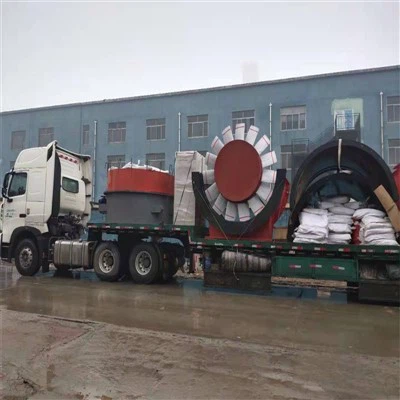
Ventilation is a critical aspect of underground mining operations, ensuring the safety and productivity of miners by providing fresh air and removing harmful gases and dust. Mine ventilation blowers play a central role in this process, and accurately predicting their performance is essential for efficient and safe mine operations. As a Mine Ventilation Blower supplier, I understand the significance of ventilation simulation in this regard. In this blog, I will explore how ventilation simulation can be used to predict the performance of mine ventilation blowers.
Understanding Ventilation Simulation
Ventilation simulation is a powerful tool that uses computational fluid dynamics (CFD) to model the flow of air within a mine. By creating a virtual representation of the mine's ventilation system, including the layout of tunnels, shafts, and ventilation equipment, simulation software can predict how air will move through the mine under various conditions. This allows engineers to evaluate the performance of different ventilation strategies and equipment configurations before implementing them in the real world.
Benefits of Using Ventilation Simulation for Mine Ventilation Blowers
1. Performance Prediction
One of the primary benefits of ventilation simulation is its ability to accurately predict the performance of mine ventilation blowers. By inputting the specifications of the blower, such as its flow rate, pressure, and efficiency, into the simulation software, engineers can determine how the blower will perform in a specific mine environment. This includes predicting the air distribution, pressure drop, and energy consumption of the blower, which are crucial factors in evaluating its effectiveness.
2. System Optimization
Ventilation simulation also allows for the optimization of the mine ventilation system. By simulating different scenarios, engineers can identify the most efficient configuration of ventilation blowers, ducts, and other equipment to achieve the desired air quality and ventilation rates. This can lead to significant energy savings and improved overall system performance.
3. Safety Assessment
Another important benefit of ventilation simulation is its ability to assess the safety of the mine ventilation system. By simulating the spread of harmful gases and dust in the mine, engineers can identify potential safety hazards and develop strategies to mitigate them. This includes determining the optimal location and operation of ventilation blowers to ensure that fresh air is delivered to all areas of the mine and that harmful gases and dust are effectively removed.
4. Cost Savings
Using ventilation simulation can also result in cost savings for mine operators. By accurately predicting the performance of ventilation blowers and optimizing the ventilation system, operators can reduce energy consumption, maintenance costs, and downtime. This can lead to significant savings over the life of the mine.
How to Use Ventilation Simulation to Predict the Performance of Mine Ventilation Blowers
1. Define the Mine Geometry
The first step in using ventilation simulation to predict the performance of mine ventilation blowers is to define the mine geometry. This includes creating a 3D model of the mine, including the layout of tunnels, shafts, and ventilation equipment. The model should be as accurate as possible, taking into account the actual dimensions and characteristics of the mine.
2. Input Blower Specifications
Once the mine geometry has been defined, the next step is to input the specifications of the ventilation blowers into the simulation software. This includes the flow rate, pressure, and efficiency of the blowers, as well as their location and orientation within the mine.
3. Set Boundary Conditions
In addition to the blower specifications, the simulation software also requires the input of boundary conditions, such as the inlet and outlet air temperatures, pressures, and flow rates. These boundary conditions should be based on the actual operating conditions of the mine.
4. Run the Simulation
Once all the necessary inputs have been entered, the simulation software can be run to predict the performance of the ventilation blowers. The simulation will generate a detailed report, including the air distribution, pressure drop, and energy consumption of the blowers, as well as the overall performance of the ventilation system.
5. Analyze the Results
After the simulation has been completed, the results should be analyzed to evaluate the performance of the ventilation blowers and the overall ventilation system. This includes comparing the predicted performance with the desired performance criteria, such as the required air quality and ventilation rates. If necessary, the simulation can be repeated with different blower configurations or operating conditions to optimize the system performance.
Case Study: Using Ventilation Simulation to Optimize Mine Ventilation
To illustrate the benefits of using ventilation simulation to predict the performance of mine ventilation blowers, let's consider a case study of a coal mine. The mine had been experiencing problems with poor air quality and high energy consumption, and the mine operators were looking for a way to improve the ventilation system.
Using ventilation simulation, the engineers created a 3D model of the mine and input the specifications of the existing ventilation blowers. They then ran the simulation to predict the performance of the ventilation system under different operating conditions. The results of the simulation showed that the existing blowers were not providing sufficient air flow to all areas of the mine, and that the energy consumption of the system was higher than necessary.
Based on the simulation results, the engineers recommended the installation of a new Counter Rotating Mining Fan to improve the air flow and reduce the energy consumption of the system. They also recommended the optimization of the ductwork and the installation of additional ventilation controls to further improve the system performance.
After implementing the recommended changes, the mine operators conducted a follow-up ventilation survey to evaluate the performance of the new ventilation system. The results of the survey showed that the air quality in the mine had improved significantly, and that the energy consumption of the system had been reduced by over 30%.


Conclusion
Ventilation simulation is a powerful tool that can be used to predict the performance of mine ventilation blowers and optimize the mine ventilation system. By using ventilation simulation, mine operators can improve the safety, efficiency, and productivity of their operations, while also reducing energy consumption and costs. As a Mine Ventilation Blower supplier, I am committed to providing high-quality ventilation equipment and services to help mine operators achieve their ventilation goals. If you are interested in learning more about how ventilation simulation can be used to improve the performance of your mine ventilation system, please contact us to discuss your specific needs.
References
- Clements, J. (2015). Mine Ventilation: Principles and Practice. CRC Press.
- Krog, E. (2018). Computational Fluid Dynamics in Mine Ventilation. Elsevier.
- McPherson, M. J. (2009). Subsurface Ventilation and Environmental Engineering. Springer.