Hey there! As a supplier of Material Conveying Fans, I've been getting a ton of questions lately about the installation requirements for direct - drive Material Conveying Fans. So, I thought I'd put together this blog to share some insights and help you out.
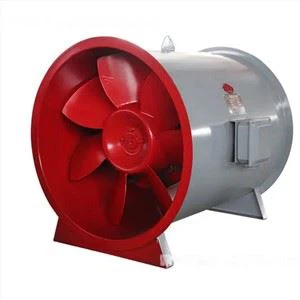
First off, let's talk about what a direct - drive Material Conveying Fan is. It's a type of fan that uses a direct connection between the motor and the fan impeller. This setup eliminates the need for belts and pulleys, which can reduce maintenance and increase efficiency.
Location and Space
The first thing you need to consider when installing a direct - drive Material Conveying Fan is the location. You want to place the fan in an area that has enough space for proper installation and maintenance. There should be at least 2 - 3 feet of clearance around the fan on all sides. This allows for easy access to the motor, impeller, and other components for inspection and repair.
The location should also be well - ventilated. Since the fan will be generating heat during operation, proper ventilation helps to keep the motor and other parts cool. A poorly ventilated area can cause the motor to overheat, which can lead to premature failure.
Structural Support
A direct - drive Material Conveying Fan is a heavy piece of equipment, so it needs a solid structural support. You need to make sure that the floor or platform where you're installing the fan can handle the weight of the fan and the vibrations it generates during operation.
If you're installing the fan on a raised platform, the platform should be made of a strong material like steel or reinforced concrete. The platform should also be level to prevent the fan from tilting, which can cause uneven wear on the impeller and motor.
Electrical Requirements
The electrical requirements for a direct - drive Material Conveying Fan are crucial. You need to have the right voltage and amperage available at the installation site. Before installing the fan, check the motor's nameplate for the specific electrical requirements.
Make sure that the electrical wiring is properly sized to handle the load. Undersized wiring can cause overheating and potential fire hazards. It's also important to have a proper grounding system in place to protect against electrical shocks.
You might want to consider having a dedicated circuit for the fan. This helps to prevent power fluctuations and ensures that the fan gets a stable power supply.
Ductwork Installation
The ductwork for the direct - drive Material Conveying Fan needs to be installed correctly. The ducts should be properly sized to match the airflow requirements of the fan. An undersized duct can restrict the airflow, reducing the fan's efficiency.
The ducts should also be installed in a straight line as much as possible. Elbows and bends in the ductwork can cause turbulence, which also reduces the fan's efficiency. If you need to use elbows, make sure they have a smooth radius to minimize turbulence.
The ductwork should be sealed properly to prevent air leaks. Air leaks can not only reduce the fan's efficiency but also cause problems with the material conveying process. You can use gaskets and sealants to ensure a tight seal.
Alignment
Proper alignment of the motor and the impeller is essential for the smooth operation of a direct - drive Material Conveying Fan. Misalignment can cause excessive vibration, which can lead to premature wear of the bearings, motor, and impeller.
During installation, use alignment tools to ensure that the motor shaft and the impeller shaft are perfectly aligned. This might require some fine - tuning, but it's well worth the effort in the long run.
Noise Considerations
Direct - drive Material Conveying Fans can generate a fair amount of noise during operation. If noise is a concern in your installation site, you might want to consider installing noise - reducing materials around the fan. This could include acoustic panels or insulation.
You can also choose a fan model that is designed to be quieter. Some manufacturers offer fans with special features that reduce noise levels without sacrificing performance.
Safety Measures
Safety should always be a top priority when installing a direct - drive Material Conveying Fan. Make sure that the fan is equipped with proper guards to prevent accidental contact with the moving parts. This includes guards around the impeller and the motor.


There should also be emergency stop buttons installed within easy reach. In case of an emergency, these buttons can quickly shut down the fan.
Maintenance Access
As I mentioned earlier, easy access for maintenance is important. The fan should be installed in a way that allows technicians to easily remove and replace parts like the impeller, motor, and bearings.
There should be access doors or panels on the fan housing that can be opened without too much difficulty. This makes it easier to perform regular inspections and maintenance tasks.
If you're interested in learning more about ventilation and draft control, you can check out this article: Mastering Ventilation and Draft Control with Centrifugal Induced Draft Fans. It has some great insights into how fans work in different systems.
Also, if you're thinking about using a centrifugal fan for your HVAC system, this link Experience Centrifugal Fan For Your HVAC System can provide you with more information.
And for those of you dealing with flue gas dust removal, the 4 - 72 Flue Gas Dust Removal Circulating Fan is a great option.
In conclusion, installing a direct - drive Material Conveying Fan requires careful planning and attention to detail. By following these installation requirements, you can ensure that your fan operates efficiently and reliably for years to come.
If you're in the market for a high - quality Material Conveying Fan or have any questions about installation or operation, feel free to reach out to us. We're here to help you make the right choice for your needs.
References
- General guidelines for industrial fan installation from industry standards.
- Manufacturer's installation manuals for direct - drive Material Conveying Fans.