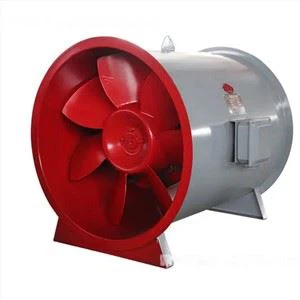
Hey there! As a supplier of high temperature fans, I've seen my fair share of issues with these bad boys not working properly. It can be a real headache when your high temperature fan isn't performing as it should, but don't worry – I'm here to walk you through some troubleshooting steps to get it back up and running in no time.
Check the Power Supply
The first thing you gotta do when your high temperature fan isn't working is to check the power supply. Sounds simple, right? Well, you'd be surprised how many times the problem is just a loose connection or a blown fuse. Start by making sure the fan is plugged in properly. Sometimes, the plug can get jostled around, and it might not be making a good connection. If it's plugged into a power strip, check that the power strip is turned on and working.
Next, take a look at the circuit breaker or fuse box. If a fuse has blown or a circuit breaker has tripped, that could be the reason your fan isn't getting power. Replace the blown fuse or reset the circuit breaker and see if the fan starts working. If it does, great! You've solved the problem. But if it doesn't, we'll have to dig a little deeper.
Inspect the Fan Blades
Another common cause of a high temperature fan not working properly is damaged or dirty fan blades. Over time, dust, dirt, and debris can build up on the blades, which can make the fan less efficient or even cause it to stop working altogether. To check the fan blades, turn off the power to the fan and remove the protective cover. Take a close look at the blades to see if there's any visible damage, like cracks or chips. If you find any damaged blades, you'll need to replace them.
If the blades are just dirty, you can clean them with a soft brush or a can of compressed air. Gently brush or blow away the dust and dirt from the blades, being careful not to bend them. Once the blades are clean, put the protective cover back on and turn the power back on to see if the fan works better.
Look for Obstructions
Sometimes, the problem with a high temperature fan can be as simple as an obstruction in the airflow. Check around the fan to see if there's anything blocking the intake or exhaust vents. This could be something as small as a piece of paper or as large as a box. Remove any obstructions and see if the fan starts working properly.


You should also check the ductwork if the fan is connected to a ventilation system. Make sure there are no kinks, bends, or blockages in the ducts that could be restricting the airflow. If you find any issues with the ductwork, you may need to call in a professional to fix them.
Check the Motor
If the power supply, fan blades, and airflow are all okay, the problem could be with the motor. The motor is the heart of the fan, and if it's not working properly, the fan won't work either. To check the motor, you'll need to use a multimeter to test the electrical resistance. If the resistance is too high or too low, that could indicate a problem with the motor.
Another way to check the motor is to listen for any unusual noises. If the motor is making a grinding, whining, or rattling sound, that could be a sign that it's failing. If you suspect there's a problem with the motor, it's best to call in a professional technician to diagnose and repair it. Motors can be dangerous to work on, so it's not something you should try to do yourself unless you have the proper training and experience.
Consider the Control System
In some cases, the issue with a high temperature fan could be related to the control system. The control system is responsible for regulating the speed and operation of the fan. If the control system is malfunctioning, the fan may not work properly. Check the control panel to see if there are any error messages or indicators. If there are, refer to the user manual or contact the manufacturer for instructions on how to troubleshoot the control system.
You should also make sure that the settings on the control panel are correct. Sometimes, a simple adjustment to the speed or temperature settings can solve the problem. If you're not sure how to adjust the settings, consult the user manual or give us a call. We're always happy to help.
Check the Wiring
Faulty wiring can also cause a high temperature fan to malfunction. Over time, the wiring can become damaged or loose, which can disrupt the electrical connection and prevent the fan from working properly. Inspect the wiring for any signs of damage, like frayed wires or loose connections. If you find any damaged wiring, you'll need to replace it.
If the wiring looks okay but you still suspect there's a problem, you can use a multimeter to test the electrical continuity. This will help you determine if there's a break in the wiring somewhere. If you're not comfortable working with electrical wiring, it's best to call in a professional electrician to do the job.
Test the Bearings
The bearings in a high temperature fan are responsible for supporting the rotating shaft and allowing the fan to spin smoothly. If the bearings are worn out or damaged, the fan may make a loud noise or vibrate excessively, and it may not work properly. To check the bearings, turn off the power to the fan and remove the protective cover. Try to wiggle the shaft gently to see if there's any play or movement in the bearings. If there is, that could be a sign that the bearings need to be replaced.
You can also listen for any unusual noises coming from the bearings. If you hear a grinding or clicking sound, that's a pretty good indication that the bearings are bad. Replacing the bearings can be a bit tricky, so it's usually best to have a professional technician do it.
Conclusion
Troubleshooting a high temperature fan that's not working properly can be a bit of a challenge, but by following these steps, you should be able to identify and fix the problem. Remember, if you're not comfortable doing any of the troubleshooting yourself, or if you're still having trouble after trying these steps, don't hesitate to give us a call. We're a leading supplier of high temperature fans, including Centrifugal Blower Fan, Axial Flow Mine Underground Fan, and High Capacity Hot Air Circulation Dryer Fan. Our team of experts is here to help you get your fan up and running again as quickly as possible.
Whether you need a new fan, replacement parts, or just some advice on troubleshooting, we're here for you. Contact us today to discuss your needs and let's start a great business partnership!
References
- HVAC Systems: Design and Installation Manual
- Industrial Fan Handbook