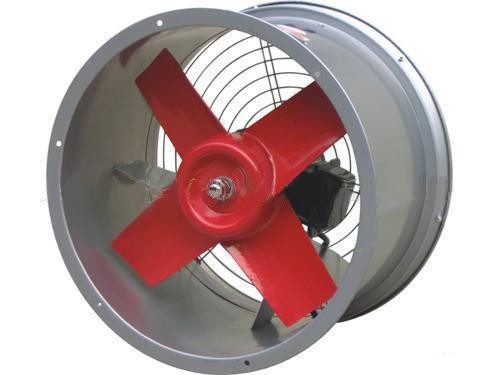
Hey there! As a supplier of Wall Axial Fan, I've seen firsthand how dust can really mess with these fans. Wall axial fans are super handy for ventilation in all sorts of places, like workshops, small warehouses, and even some home setups. But dust can cause a whole bunch of problems, from reducing the fan's efficiency to causing long - term damage. So, let's dive into how you can protect your wall axial fan from dust.
Why Dust is a Big Deal
First off, let's talk about why dust is such a nuisance for wall axial fans. When dust builds up on the fan blades, it changes the aerodynamics of the fan. The blades are designed to move air in a very specific way, and dust can disrupt that. This means the fan has to work harder to move the same amount of air, which not only uses more energy but also puts more stress on the motor.
Over time, dust can also get into the motor itself. The motor has small moving parts and electrical components, and dust can act like sandpaper, wearing down these parts and potentially causing electrical shorts. This can lead to the fan breaking down completely, and that's definitely not what you want.
Regular Cleaning
The most basic way to protect your wall axial fan from dust is regular cleaning. You should aim to clean the fan at least once a month, or more often if it's in a very dusty environment.
To clean the fan, start by unplugging it. Safety first, folks! Then, use a soft brush or a can of compressed air to remove the loose dust from the fan blades and the grille. Be gentle with the blades, as you don't want to bend them. After that, you can use a damp cloth to wipe down the blades and the grille. Make sure the cloth isn't too wet, as you don't want water getting into the motor.
If the dust is really stubborn, you can use a mild detergent. Mix a little bit of detergent with water, and use a soft cloth to gently scrub the blades and grille. Rinse the cloth thoroughly and wipe away any soap residue. Let the fan dry completely before plugging it back in.
Use Dust Filters
Another great way to protect your wall axial fan is by using dust filters. You can find pre - made dust filters that are specifically designed for wall axial fans. These filters are usually made of a fine mesh material that can trap dust particles as the air passes through.
Installing a dust filter is pretty easy. Most filters come with instructions on how to attach them to the fan. Usually, you just need to place the filter over the intake side of the fan and secure it with the provided clips or straps.
The only downside to using dust filters is that they need to be cleaned or replaced regularly. If you don't clean or replace the filter, it will get clogged with dust, which can actually reduce the airflow through the fan. So, check the filter every couple of weeks and clean or replace it as needed.
Enclose the Fan
If possible, enclosing the wall axial fan can be a great way to keep dust out. You can build a simple enclosure around the fan using materials like plywood or plastic sheeting. The enclosure should have an intake and an exhaust vent, and you can install dust filters on these vents.
When building the enclosure, make sure it's well - ventilated. You don't want to restrict the airflow too much, as this can cause the fan to overheat. Leave enough space around the fan for air to circulate freely.
An enclosed fan is also protected from other environmental factors, like debris and moisture, which can further extend the lifespan of the fan.
Keep the Surrounding Area Clean
The area around the wall axial fan can have a big impact on how much dust gets into the fan. If the area is dirty and dusty, the fan will suck in more dust. So, keep the surrounding area clean.
Sweep or vacuum the floor regularly to remove dust and debris. If there are any open containers or piles of materials that are likely to generate dust, try to cover them or move them away from the fan.
Also, make sure there are no sources of dust near the intake of the fan. For example, if there's a sawdust - generating machine nearby, try to position the fan so that it doesn't draw in the sawdust.
Maintenance Checks
In addition to cleaning and protecting the fan from dust, regular maintenance checks are essential. Check the fan's motor for any signs of overheating or unusual noises. If the motor is making a strange noise, it could be a sign that there's dust or debris inside.
Inspect the fan blades for any signs of wear or damage. Bent or damaged blades can affect the fan's performance and increase the amount of dust it sucks in. If you notice any problems with the blades, replace them as soon as possible.
Check the electrical connections of the fan. Loose or corroded connections can cause electrical problems and increase the risk of a fire. If you're not comfortable checking the electrical connections yourself, hire a professional electrician to do it.
Monitoring the Fan's Performance
Monitoring the performance of your wall axial fan can help you detect dust - related problems early. You can do this by measuring the airflow and the power consumption of the fan.
There are airflow meters available that can measure the amount of air the fan is moving. If you notice a significant decrease in airflow over time, it could be a sign that the fan is clogged with dust.
You can also monitor the power consumption of the fan using a power meter. If the fan is using more power than usual, it could be because it's working harder to move air through a dusty filter or due to dust - related motor problems.
Train Your Staff (if applicable)
If the wall axial fan is in a commercial or industrial setting, it's important to train your staff on how to properly maintain and protect the fan from dust. Make sure they know the importance of regular cleaning, how to use the dust filters, and what to look out for in terms of fan performance.
Provide your staff with the necessary tools and equipment for cleaning and maintenance, and encourage them to report any problems with the fan as soon as they notice them.

Conclusion
Protecting your wall axial fan from dust is crucial for its performance and longevity. By following these tips, you can keep your fan running smoothly for years to come.
If you're in the market for a new wall axial fan or need more advice on how to protect your existing one, don't hesitate to reach out. We're here to help you make the most of your ventilation system. Whether you have more questions about dust protection or want to discuss your specific needs, we're just a message away. Let's work together to ensure your wall axial fan is in top - notch condition!
References
- HVAC Basics: Understanding Axial Fans. A handbook on axial fan operation and maintenance.
- Industrial Ventilation: A Manual of Recommended Practice. A comprehensive guide on ventilation systems in industrial settings.