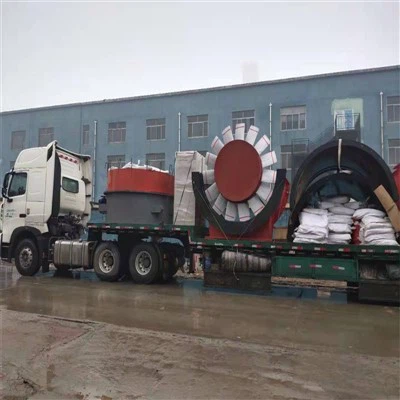
As a trusted supplier of Mine Explosion - proof Fans, I understand the critical importance of correct installation for these essential pieces of equipment. Mine explosion - proof fans play a pivotal role in ensuring the safety and proper ventilation in mining operations. Incorrect installation can not only lead to sub - optimal performance but also pose serious risks to the miners and the overall mining environment. In this blog, I will guide you through the step - by - step process of installing a mine explosion - proof fan correctly.
Pre - installation Preparations
Site Assessment
Before bringing in the fan for installation, a thorough site assessment is necessary. First, measure the space where the fan will be installed. The area should be large enough to accommodate the fan and allow for easy access for maintenance and inspection. Check the floor or mounting surface for its load - bearing capacity. The surface must be able to support the weight of the fan and withstand the vibrations during operation.
Also, consider the ventilation requirements of the mine. Analyze the airflow direction and the areas that need to be ventilated. This will help in determining the optimal location for the fan. For example, if there are areas with high levels of dust or gas accumulation, the fan should be positioned to direct fresh air towards those areas.
Equipment Inspection
Once the site is assessed, carefully inspect the mine explosion - proof fan upon delivery. Check for any visible damage during transit, such as dents, scratches, or loose parts. Examine the fan blades for balance and integrity. A damaged blade can cause uneven airflow and excessive vibrations, which may lead to premature wear and tear of the fan.
Verify that all the necessary components are included, such as the motor, control panel, mounting brackets, and electrical wiring. Refer to the product manual to ensure that you have all the parts required for a successful installation.
Safety Precautions
Safety should always be the top priority during the installation process. Ensure that all workers involved in the installation are properly trained and equipped with the necessary personal protective equipment (PPE), including hard hats, safety glasses, gloves, and steel - toed boots.
Before starting any electrical work, make sure the power supply to the installation area is switched off and locked out. This will prevent any accidental electrocution. If the installation is taking place in a hazardous area where there is a risk of explosion, follow all the relevant safety regulations and use only approved tools and equipment.
Installation Steps
Mounting the Fan
The first step in the installation process is to mount the fan. If the fan is a wall - mounted type, use the provided mounting brackets and bolts to secure it to the wall. Make sure the wall is strong enough to support the fan. Drill holes at the appropriate locations and insert wall anchors if necessary.
For floor - mounted fans, place the fan on the prepared surface. Use leveling tools to ensure that the fan is perfectly horizontal. Uneven mounting can cause the fan to vibrate excessively and affect its performance. Once the fan is in the correct position, secure it using the mounting bolts.
Connecting the Electrical Wiring
Connecting the electrical wiring is a crucial step that requires careful attention. Follow the wiring diagram provided in the product manual. First, connect the power supply cables to the motor terminals. Make sure the connections are tight and secure to prevent any electrical arcing, which can be a potential fire hazard.
Install a suitable circuit breaker or overload protection device to protect the fan from electrical faults. This will ensure the safe operation of the fan and prevent damage to the motor in case of a power surge or short - circuit.
Connecting the Ductwork
If the fan is part of a ventilation system, connect the ductwork to the fan inlet and outlet. Use appropriate duct connectors and sealing materials to ensure a tight and air - tight connection. Leaky ductwork can result in a loss of airflow and reduce the efficiency of the ventilation system.
Make sure the ductwork is properly supported to prevent sagging or damage. If the ducts need to be bent, use smooth bends to minimize airflow resistance.
Testing the Fan
After completing the installation, it's time to test the fan. Before switching on the power, double - check all the connections and ensure that all the safety guards are in place.
Slowly switch on the power supply and observe the fan's operation. Listen for any unusual noises, such as rattling or screeching, which may indicate a problem with the fan blades or the motor. Check the airflow direction and the pressure in the ductwork using appropriate measuring instruments.
If the fan is not operating correctly, refer to the troubleshooting section of the product manual. It may be necessary to adjust the fan speed, check the electrical connections, or balance the fan blades.
Post - installation Checks
Performance Evaluation
Once the fan has been running for a short period, conduct a performance evaluation. Measure the airflow rate, pressure, and temperature at various points in the ventilation system. Compare the measured values with the specifications provided in the product manual.
If the performance is below the expected level, investigate the possible causes. It could be due to a blocked duct, a faulty motor, or an incorrect installation. Make the necessary adjustments or repairs to improve the fan's performance.
Maintenance Schedule
Establish a regular maintenance schedule for the mine explosion - proof fan. This should include tasks such as cleaning the fan blades, lubricating the bearings, and checking the electrical connections. Regular maintenance will help to extend the lifespan of the fan and ensure its reliable operation.
Keep a record of all the maintenance activities, including the date, the tasks performed, and any issues encountered. This will help in tracking the performance of the fan over time and identifying any potential problems early.


Additional Considerations
Compatibility with Other Equipment
When installing a mine explosion - proof fan, consider its compatibility with other equipment in the ventilation system. For example, if there is a Mine Local Fan Underground Ventilation or a Dedusting Fan in the system, make sure the new fan can work in harmony with them.
The airflow rates and pressures of all the equipment should be coordinated to ensure a balanced ventilation system. This may require adjusting the settings of the fans or installing additional control devices.
Upgrading and Expansion
If there are plans to upgrade or expand the ventilation system in the future, choose a fan that can be easily integrated into the new setup. Some fans, such as the Unveiling the DK40 - 6 Series Mine Explosion - Proof Blower Fan, are designed with modular features that allow for easy expansion and modification.
Conclusion
Installing a mine explosion - proof fan correctly is a complex process that requires careful planning, attention to detail, and strict adherence to safety regulations. By following the steps outlined in this blog, you can ensure that your fan is installed safely and operates efficiently.
If you are in the market for a high - quality mine explosion - proof fan or need further assistance with the installation process, feel free to contact us. Our team of experts is ready to provide you with professional advice and support to meet your specific requirements. We are committed to delivering reliable and safe ventilation solutions for your mining operations.
References
- Manufacturer's product manuals for mine explosion - proof fans
- Industry standards and regulations for mine ventilation systems
- Safety guidelines for electrical installations in hazardous areas