Optimizing the operation of a highway tunnel fan system for energy efficiency is a critical concern in modern tunnel management. As a highway tunnel fan supplier, I understand the importance of providing solutions that not only ensure the safety and comfort of tunnel users but also minimize energy consumption and operational costs. In this blog post, I will share some insights and strategies on how to achieve energy efficiency in highway tunnel fan systems.
Understanding the Basics of Highway Tunnel Fan Systems
Before delving into optimization strategies, it's essential to understand the basic components and functions of a highway tunnel fan system. These systems are designed to provide ventilation in tunnels, removing pollutants such as carbon monoxide, nitrogen oxides, and particulate matter, and maintaining a safe and comfortable environment for drivers and passengers.
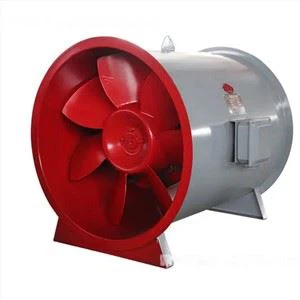
The main components of a highway tunnel fan system typically include axial fans, jet fans, control systems, and monitoring equipment. Axial fans are used to provide large - volume ventilation, while jet fans are installed along the tunnel to induce airflow and enhance ventilation efficiency. The control system manages the operation of the fans based on various factors such as traffic volume, pollutant levels, and weather conditions.
Energy - Efficiency Challenges in Highway Tunnel Fan Systems
Highway tunnel fan systems are often energy - intensive due to the large power requirements of the fans and the need for continuous operation. Several factors contribute to the high energy consumption of these systems:
- Constant - Speed Operation: Many traditional tunnel fan systems operate at a constant speed, regardless of the actual ventilation requirements. This means that the fans may be running at full capacity even when the traffic volume is low or the pollutant levels are within acceptable limits, resulting in unnecessary energy consumption.
- Inefficient Fan Design: Outdated or poorly designed fans may have lower efficiency ratings, which means they require more energy to achieve the same level of ventilation as more efficient models.
- Lack of Real - Time Monitoring and Control: Without accurate real - time monitoring of traffic conditions, pollutant levels, and fan performance, it can be difficult to adjust the fan operation to meet the actual ventilation needs. This can lead to over - ventilation and increased energy consumption.
Strategies for Optimizing Energy Efficiency
Variable - Speed Drive (VSD) Technology
One of the most effective ways to improve the energy efficiency of a highway tunnel fan system is to implement variable - speed drive technology. VSDs allow the fans to operate at different speeds based on the actual ventilation requirements. By adjusting the fan speed according to traffic volume, pollutant levels, and other factors, VSDs can significantly reduce energy consumption.
For example, during periods of low traffic, the fans can be set to run at a lower speed, consuming less energy while still maintaining adequate ventilation. When traffic volume increases or pollutant levels rise, the fan speed can be automatically adjusted to provide the necessary ventilation. This dynamic control of fan speed can result in substantial energy savings over time.
Fan Selection and Upgrades
Selecting the right fans for a highway tunnel system is crucial for energy efficiency. High - efficiency fans are designed to convert electrical energy into mechanical energy more effectively, reducing the amount of energy required to achieve the desired ventilation. When upgrading an existing tunnel fan system, consider replacing old, inefficient fans with newer models that have higher efficiency ratings.
Additionally, some fans are designed with advanced features such as aerodynamic blades and optimized motor designs, which can further improve energy efficiency. As a highway tunnel fan supplier, I offer a range of high - efficiency fans, including Tunnel Boring Construction Fan and Denitrification Fan, which are specifically designed to meet the ventilation needs of highway tunnels while minimizing energy consumption.
Real - Time Monitoring and Control Systems
Implementing a real - time monitoring and control system is essential for optimizing the energy efficiency of a highway tunnel fan system. These systems use sensors to measure traffic volume, pollutant levels, temperature, and other relevant parameters. The data collected by the sensors is then analyzed by a control algorithm, which adjusts the fan operation accordingly.
For instance, if the sensors detect low traffic volume and low pollutant levels, the control system can reduce the fan speed or even turn off some of the fans. On the other hand, if there is a sudden increase in traffic or pollutant levels, the system can quickly ramp up the fan speed to ensure adequate ventilation. This real - time adjustment of fan operation based on actual conditions helps to avoid over - ventilation and reduces energy waste.
Fan Placement and Layout Optimization
The placement and layout of fans in a highway tunnel can also have a significant impact on energy efficiency. Proper fan placement can ensure that the airflow is evenly distributed throughout the tunnel, reducing the need for excessive fan power.
For example, jet fans should be installed at appropriate intervals along the tunnel to induce airflow effectively. The direction and angle of the jet fans should be carefully adjusted to maximize the ventilation efficiency. Additionally, the location of axial fans should be optimized to minimize air resistance and ensure smooth airflow.
Case Studies: Successful Energy - Efficiency Optimization
To illustrate the effectiveness of these optimization strategies, let's look at a few case studies.
In a major highway tunnel project, the implementation of VSD technology in the fan system resulted in a 30% reduction in energy consumption. By adjusting the fan speed based on traffic volume and pollutant levels, the system was able to operate more efficiently, saving a significant amount of electricity costs over time.
Another tunnel project upgraded its old, inefficient fans with high - efficiency models and installed a real - time monitoring and control system. As a result, the energy consumption of the fan system was reduced by 25%, and the overall ventilation performance was improved.
Conclusion
Optimizing the operation of a highway tunnel fan system for energy efficiency is not only beneficial for reducing energy costs but also for environmental sustainability. By implementing strategies such as variable - speed drive technology, fan upgrades, real - time monitoring and control, and fan placement optimization, it is possible to achieve significant energy savings without compromising the safety and comfort of tunnel users.


As a highway tunnel fan supplier, I am committed to providing innovative and energy - efficient solutions to meet the needs of our customers. If you are interested in optimizing your highway tunnel fan system for energy efficiency, I encourage you to contact us for a consultation. We can help you assess your current system, recommend appropriate upgrades and optimization strategies, and provide high - quality fans and control systems to ensure the best performance and energy savings.
References
- "Energy - Efficient Ventilation Systems for Highway Tunnels," Journal of Tunnel Engineering.
- "Optimization of Tunnel Fan Operation for Energy Conservation," Proceedings of the International Conference on Tunnel Ventilation.
- "Variable - Speed Drive Technology in Tunnel Fan Systems," Technical Report on Energy - Efficient Technologies.