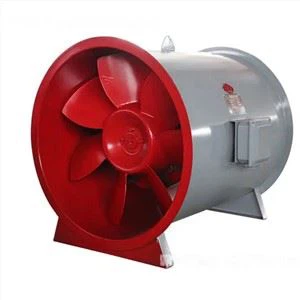
Hey there! I'm a supplier of Material Conveying Fans, and today I wanna chat about how temperature can mess with the material conveying performance of these fans. It's a topic that might not seem super exciting at first, but trust me, it's pretty crucial if you're in the business of moving materials around.
Let's start with the basics. A Material Conveying Fan is like the workhorse of many industrial operations. It's responsible for moving all sorts of materials, from powders to small granules, through pipes and ducts. But just like any other machine, its performance can be affected by a bunch of factors, and temperature is one of the big ones.
How Temperature Affects Air Density
One of the main ways temperature impacts a Material Conveying Fan is through its effect on air density. You see, air is like a sponge; it expands when it gets hot and contracts when it gets cold. When the temperature rises, the air molecules start moving around more vigorously, and they spread out. This means that the same volume of air weighs less at higher temperatures. In other words, the air density decreases.
Why does this matter? Well, a Material Conveying Fan works by creating a pressure difference to move air and the materials it's carrying. The fan blades push the air, and the air then pushes the materials along. When the air density is lower, there are fewer air molecules to push against the materials. This can lead to a decrease in the fan's ability to move the materials efficiently.
For example, let's say you have a fan that's designed to move a certain amount of material at a standard temperature. If the temperature goes up, the fan might struggle to move the same amount of material because the air is less dense. You might notice a drop in the material flow rate, or the materials might not be conveyed as far as they should be.
Impact on Fan Performance
Temperature can also have a direct impact on the performance of the fan itself. Most fans are designed to operate within a certain temperature range. If the temperature gets too high, it can cause problems with the fan's motor and other components.
The motor is the heart of the fan, and it generates heat as it runs. At normal temperatures, the motor can dissipate this heat through its cooling system. But when the ambient temperature is high, it becomes harder for the motor to get rid of the heat. This can cause the motor to overheat, which can lead to a decrease in performance or even damage to the motor.
In addition, high temperatures can also affect the lubricants and seals in the fan. Lubricants are used to reduce friction between moving parts, and seals are used to prevent air and materials from leaking out. When the temperature is high, the lubricants can break down more quickly, and the seals can become brittle and lose their effectiveness. This can lead to increased wear and tear on the fan, and it can also cause leaks, which can further reduce the fan's performance.
On the other hand, low temperatures can also be a problem. Cold temperatures can make the materials more brittle and difficult to convey. They can also cause the air to become more viscous, which means it's harder for the fan to move the air and the materials. And just like with high temperatures, low temperatures can also affect the fan's components. The motor might have a harder time starting up in cold weather, and the lubricants can become thicker, which can increase friction and reduce the fan's efficiency.
Effects on Material Properties
Temperature doesn't just affect the air and the fan; it can also have an impact on the materials being conveyed. Different materials react to temperature changes in different ways.
Some materials might become more sticky or clumpy at high temperatures. This can cause them to stick to the inside of the pipes and ducts, which can block the flow and reduce the efficiency of the conveying system. For example, if you're conveying a powder that has a low melting point, high temperatures could cause the powder to melt and form clumps.
On the other hand, some materials might become more brittle at low temperatures. This can make them more likely to break into smaller pieces during the conveying process. If the materials break into very small pieces, they can be more difficult to convey, and they might also cause problems with the fan and the conveying system.
Solutions to Temperature-Related Issues
So, what can you do to deal with these temperature-related issues? Well, there are a few things you can try.
First of all, you can choose a fan that's designed to handle a wide range of temperatures. Some fans are specifically designed for high-temperature applications, and they have features like heat-resistant motors and special coatings to protect the components from the heat. Similarly, there are fans that are designed for low-temperature environments.
Another option is to control the temperature of the air and the materials. You can use heaters or coolers to adjust the temperature to a level that's optimal for the fan and the materials. For example, if you're conveying materials in a hot environment, you can use a cooler to lower the temperature of the air before it enters the fan.
You can also monitor the fan's performance closely and make adjustments as needed. If you notice a decrease in the material flow rate or other signs of poor performance, you can check the temperature and make any necessary changes. For example, you might need to increase the fan speed to compensate for the lower air density at higher temperatures.
Importance of Choosing the Right Fan
As a Material Conveying Fan supplier, I can't stress enough the importance of choosing the right fan for your application. You need to consider a lot of factors, including the temperature range, the type of materials you're conveying, and the required flow rate and pressure.
If you're dealing with high temperatures, you might want to check out The Role of Middle-Pressure Centrifugal Blowers in Industrial Ventilation. These blowers are designed to handle high temperatures and can provide reliable performance in challenging environments.


For HVAC systems, Experience Centrifugal Fan For Your HVAC System is a great option. It offers high efficiency and can handle a wide range of temperatures.
And if you're looking for a fan for flue gas dust removal and circulation, the 4-72 Flue Gas Dust Removal Circulating Fan is a reliable choice. It's designed to work in harsh conditions and can handle high temperatures.
Conclusion
In conclusion, temperature plays a crucial role in the material conveying performance of a Material Conveying Fan. It affects the air density, the fan performance, and the properties of the materials being conveyed. By understanding these effects and taking the necessary steps to mitigate them, you can ensure that your fan operates efficiently and effectively.
If you're in the market for a Material Conveying Fan or you need help with your existing system, don't hesitate to reach out. We're here to help you choose the right fan for your needs and provide you with the support you need to keep your operation running smoothly. Let's have a chat about your requirements and see how we can work together to improve your material conveying process.
References
- Fluid Mechanics textbooks for understanding air density and its relation to temperature.
- Fan manufacturer manuals for information on fan performance at different temperatures.
- Industry research papers on the effects of temperature on material conveying systems.