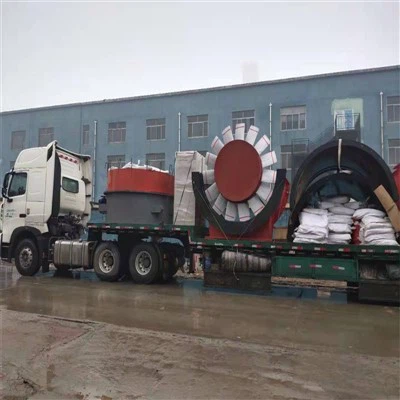
Hey there! As a supplier of anti - corrosion fans, I've seen firsthand how important it is to ensure the safety of operators. Anti - corrosion fans are used in a variety of industries, from chemical plants to wastewater treatment facilities, where they deal with corrosive gases and harsh environments. So, let's dive into how we can make sure the people operating these fans stay safe.
1. Proper Training
First off, proper training is non - negotiable. Operators need to know how to use the anti - corrosion fans correctly. This includes understanding the fan's controls, startup and shutdown procedures, and how to monitor its performance. A well - trained operator can spot early signs of trouble, like unusual noises or vibrations, which could indicate a problem with the fan.
We offer training programs for our customers. These programs cover everything from basic operation to more advanced maintenance. We believe that by equipping operators with the right knowledge, we can prevent many safety issues from occurring in the first place. For example, if an operator knows how to adjust the fan's speed according to the gas flow requirements, it not only ensures efficient operation but also reduces the risk of overloading the fan, which could lead to a breakdown or even a safety hazard.
2. Personal Protective Equipment (PPE)
PPE is a must - have for anti - corrosion fan operators. They're often working in environments where they're exposed to corrosive substances, so wearing the right gear is crucial. This includes safety goggles to protect their eyes from splashes, chemical - resistant gloves to shield their hands, and respirators to prevent inhalation of harmful gases.


We always recommend high - quality PPE to our customers. It might seem like an extra cost, but it's a small price to pay for the safety of the operators. For instance, if an operator is handling a fan that's dealing with acidic gases, a good respirator can prevent respiratory problems in the long run. And let's not forget about safety shoes. They protect the feet from any falling objects or spills on the ground.
3. Regular Maintenance and Inspections
Regular maintenance and inspections are key to keeping anti - corrosion fans in good working condition. We suggest a routine maintenance schedule, which could include things like checking the fan's bearings, belts, and motor. These components can wear out over time, and if not replaced, they can cause the fan to malfunction.
Inspections should also be done to check for any signs of corrosion on the fan's body. Since these fans are designed to resist corrosion, it doesn't mean they're completely immune. If corrosion is detected early, it can be treated before it becomes a major problem. For example, if a small area of the fan housing shows signs of rust, a simple touch - up with anti - corrosion paint can prevent further damage.
4. Hazardous Environment Management
Operators need to be aware of the potential hazards in their working environment. This means understanding the properties of the corrosive substances they're dealing with, like their toxicity levels and flammability. In some cases, they might need to work in confined spaces, which adds another layer of risk.
We provide safety guidelines to our customers on how to manage these hazardous environments. For example, if a fan is installed in a confined space, proper ventilation systems should be in place to ensure that the air quality is safe for the operator. And in case of a gas leak, there should be an emergency response plan in place. This could include evacuation procedures and the use of emergency shutdown systems for the fan.
5. Safety Features of the Fan
Our anti - corrosion fans are designed with several safety features. For example, they have overload protection, which automatically shuts off the fan if it's drawing too much power. This prevents the motor from overheating and potentially causing a fire. They also have emergency stop buttons, which can be easily accessed in case of an emergency.
We're constantly working on improving these safety features. For instance, we're looking into adding sensors that can detect any abnormal conditions, like a sudden increase in temperature or a drop in pressure, and send an alert to the operator. This way, they can take action before a major problem occurs.
6. Emergency Preparedness
Even with all the safety measures in place, emergencies can still happen. That's why operators need to be prepared. They should know how to respond to different types of emergencies, like a fire or a chemical spill.
We provide emergency response training as part of our customer service. This includes teaching operators how to use fire extinguishers, perform first aid, and evacuate the area safely. And we also recommend having emergency contact information readily available, so they can quickly reach out for help if needed.
7. Documentation and Record - Keeping
Keeping proper documentation and records is important for safety management. This includes maintenance records, inspection reports, and training certificates. These records can help in identifying any patterns or trends in the fan's performance and can also be used as evidence in case of an accident investigation.
We encourage our customers to maintain detailed records. For example, if a fan has a history of a particular problem, like a recurring belt failure, the maintenance records can show when it happened, what was done to fix it, and if there were any contributing factors. This information can be used to prevent similar problems in the future.
8. Communication and Teamwork
Good communication and teamwork are essential in ensuring the safety of anti - corrosion fan operators. Operators should be able to communicate any safety concerns or issues they notice to their supervisors or colleagues. This can help in quickly addressing the problem before it escalates.
We also promote a culture of teamwork among our customers' employees. For example, during maintenance work, different team members can have specific roles, like one person operating the fan while another checks the components. This division of labor not only makes the work more efficient but also reduces the risk of accidents.
Conclusion
Ensuring the safety of anti - corrosion fan operators is a multi - faceted task. It requires proper training, the use of PPE, regular maintenance, and a good understanding of the hazardous environment. As a supplier, we're committed to providing high - quality anti - corrosion fans with top - notch safety features. And we're always here to support our customers with training, safety guidelines, and any other assistance they might need.
If you're in the market for an anti - corrosion fan, or if you have any questions about fan safety, don't hesitate to [initiate a contact to discuss your needs]. We're more than happy to help you find the right solution for your business. You can also check out our Ducted flue gas exhaust fan Fire fan for more options.
References
- Industry safety standards for anti - corrosion equipment
- Manufacturer's manuals for anti - corrosion fans
- Safety training materials provided by relevant safety organizations