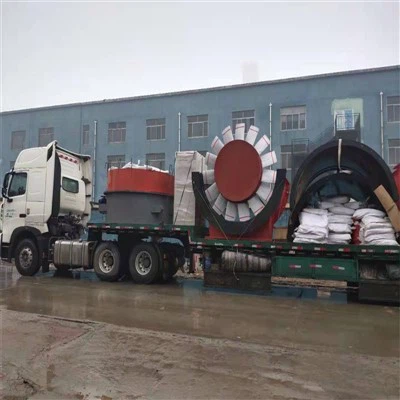
Hey there! As a supplier of Subway Wind Fans, I've been in the thick of it when it comes to these crucial pieces of equipment. Subway Wind Fans play a super important role in subway systems. They're responsible for ventilation, smoke exhaust during emergencies, and maintaining a comfortable environment for passengers and staff. So, let's dig into the control methods available for Subway Wind Fans.
Manual Control
Manual control is the most basic way to operate Subway Wind Fans. It's like having a big on - off switch that an operator can use. In some small - scale subway stations or during maintenance, manual control comes in handy. For example, when technicians are working on the ventilation system, they can manually turn off the fans to ensure their safety. It gives direct control to the operators, and they can respond quickly to specific situations. However, it also has its drawbacks. It's labor - intensive, and in case of emergencies, relying solely on manual control might not be fast enough.
Automatic Control Based on Time
This control method is all about setting a schedule for the fans. You can program the fans to turn on and off at specific times of the day. For instance, during peak hours when there are more passengers in the subway, the fans can be set to run at a higher speed to ensure proper ventilation. And during off - peak hours, they can run at a lower speed to save energy. This kind of control is great for routine operations and helps in energy management. But it lacks flexibility. If there's an unexpected event, like a large group of people gathering in the station outside of peak hours, the fans won't adjust automatically.
Automatic Control Based on Air Quality
Monitoring air quality is a smart way to control Subway Wind Fans. Sensors are installed in the subway stations to measure things like carbon dioxide levels, particulate matter, and temperature. When the air quality drops below a certain standard, the fans automatically kick into action. For example, if the carbon dioxide levels rise due to a large number of passengers, the fans will increase their speed to bring in fresh air. This method ensures a healthy environment for everyone in the subway. However, the sensors need to be calibrated regularly, and they can be affected by environmental factors like dust and humidity.
Centralized Control System
A centralized control system is like the brain of the Subway Wind Fan network. It allows operators to control all the fans in a subway system from a single location. This is extremely useful for large - scale subway networks. Operators can monitor the status of each fan, adjust their speeds, and receive real - time alerts if there's a problem. For example, if a fan in a particular station malfunctions, the centralized control system can quickly detect it and notify the maintenance team. But setting up a centralized control system is expensive, and it requires a high - level of technical expertise to operate and maintain.


Remote Control
With the advancement of technology, remote control has become a popular option. Using mobile apps or web - based interfaces, operators can control the Subway Wind Fans from anywhere. This is great for quick responses during emergencies. For example, if there's a fire in a subway tunnel, an operator can remotely turn on the SDS High Temperature Axial Flow Smoke Exhaust Fan to evacuate the smoke. However, it relies on a stable internet connection, and there are security concerns when it comes to remote access.
Variable Frequency Drive (VFD) Control
VFD control is a game - changer when it comes to energy efficiency. It allows the fans to adjust their speed according to the load. Instead of running at a fixed speed all the time, the fans can slow down or speed up as needed. For example, if there are fewer passengers in the subway, the fans can run at a lower speed, which saves a significant amount of energy. VFD control also reduces wear and tear on the fans, extending their lifespan. But VFDs are relatively expensive, and they require proper installation and maintenance.
Emergency Control
In case of emergencies like fires or gas leaks, special emergency control methods are in place. These methods override all other control settings. For example, during a fire, the Subway Wind Fan | SDS Tunnel Jet Fan for Metro and Underground Projects will switch to a high - speed smoke exhaust mode to clear the smoke and provide a safe evacuation path. Emergency control is designed to ensure the safety of passengers and staff, but it needs to be tested regularly to make sure it works when needed.
Explosion - Proof Control for Hazardous Areas
In some subway areas where there's a risk of explosion, like near electrical equipment or storage areas, explosion - proof fans are used. The SDS Series Explosion Proof Jet Fan For Tunnels comes with special control features to prevent any sparks or overheating that could lead to an explosion. These fans are designed to meet strict safety standards, and their control systems are carefully calibrated to ensure safe operation in hazardous environments.
Each of these control methods has its own advantages and disadvantages. In a real - world subway system, a combination of these methods is often used to achieve the best results. For example, a subway station might use automatic control based on time for routine operations, but also have sensors for air quality control and a centralized control system for overall management.
If you're in the market for Subway Wind Fans or need more information about the control methods, feel free to reach out. We're here to help you choose the right fans and control systems for your subway project. Whether you're building a new subway line or upgrading an existing one, we've got the expertise and the products to meet your needs. Let's have a chat and see how we can work together to make your subway system safer and more comfortable.
References
- Tunnel Ventilation Handbook
- Standards for Subway Ventilation Systems
- Research on Energy - Efficient Control Methods for Subway Fans