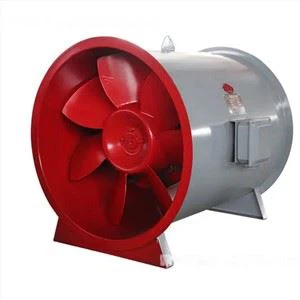
As a supplier of Wall Axial Fan, I understand the importance of moisture-proofing for wall axial fans in bathrooms. Bathrooms are high-humidity environments, and without proper moisture-proof measures, wall axial fans can suffer from corrosion, electrical malfunctions, and reduced lifespan. In this blog post, I will share some effective ways to ensure moisture-proofing for wall axial fans in bathrooms.


Understanding the Moisture Challenges in Bathrooms
Before we delve into the moisture-proofing methods, it's crucial to understand the moisture challenges that wall axial fans face in bathrooms. Bathrooms generate a significant amount of steam during showers, baths, and other water-related activities. This steam can condense on the surfaces of the fan, leading to water accumulation. Over time, the accumulated water can cause rust and corrosion on the fan's metal components, such as the blades and housing. Moreover, moisture can seep into the electrical parts of the fan, increasing the risk of short circuits and electrical failures.
Selecting the Right Wall Axial Fan
The first step in ensuring moisture-proofing is to select a wall axial fan that is specifically designed for high-humidity environments. Look for fans with the following features:
- IP Rating: The Ingress Protection (IP) rating indicates the fan's resistance to dust and water. For bathrooms, choose a fan with an IP rating of at least IP44. This means the fan is protected against solid objects larger than 1 mm and splashing water from any direction.
- Corrosion-Resistant Materials: Opt for fans made from corrosion-resistant materials, such as stainless steel or plastic. These materials are less likely to rust or corrode when exposed to moisture.
- Sealed Electrical Components: Ensure that the fan's electrical components, such as the motor and wiring, are sealed to prevent moisture from entering. Sealed electrical components reduce the risk of electrical malfunctions caused by water damage.
Proper Installation
Proper installation is essential for effective moisture-proofing. Here are some installation tips to follow:
- Mounting Location: Install the wall axial fan at a high position on the bathroom wall, away from direct water splashes. This helps to minimize the exposure of the fan to moisture. Additionally, ensure that the fan is installed in a well-ventilated area to allow for proper air circulation.
- Sealing the Installation Hole: Use a high-quality sealant to seal the installation hole around the fan. This prevents water and moisture from seeping into the wall through the gaps. Make sure the sealant is waterproof and durable.
- Drainage System: If possible, install a drainage system near the fan to collect any condensed water. This can be a simple drain pipe or a drip tray. Regularly check and clean the drainage system to prevent clogging.
Regular Maintenance
Regular maintenance is key to keeping the wall axial fan moisture-proof and in good working condition. Here are some maintenance tasks to perform:
- Cleaning the Fan: Clean the fan blades and housing regularly to remove any dirt, dust, and moisture buildup. Use a soft cloth or a mild cleaning solution to wipe the surfaces. Avoid using abrasive cleaners that can damage the fan's finish.
- Checking the Seals: Periodically inspect the seals around the fan to ensure they are intact. Replace any damaged or worn-out seals immediately to prevent moisture from entering.
- Lubricating the Motor: If the fan's motor requires lubrication, follow the manufacturer's instructions to lubricate it at the recommended intervals. Proper lubrication helps to keep the motor running smoothly and reduces the risk of overheating.
Additional Moisture-Proofing Measures
In addition to the above steps, there are some additional moisture-proofing measures you can take:
- Using a Dehumidifier: Consider installing a dehumidifier in the bathroom to reduce the overall humidity level. A dehumidifier helps to remove excess moisture from the air, which can prevent condensation on the fan and other surfaces.
- Ventilation Duct Maintenance: Regularly inspect and clean the ventilation duct connected to the wall axial fan. A clogged or dirty ventilation duct can restrict air flow and cause moisture to accumulate in the fan.
- Humidity Sensors: Install humidity sensors in the bathroom to monitor the humidity level. Some advanced wall axial fans are equipped with humidity sensors that can automatically turn on the fan when the humidity reaches a certain level. This helps to maintain a comfortable and dry environment in the bathroom.
Monitoring and Troubleshooting
Regularly monitor the performance of the wall axial fan to detect any signs of moisture damage or malfunction. Here are some things to look out for:
- Strange Noises: If the fan makes strange noises, such as rattling or grinding sounds, it could indicate a problem with the motor or the blades. This may be caused by moisture damage or loose components.
- Reduced Airflow: A significant reduction in airflow may be a sign of a clogged fan or a malfunctioning motor. Check the fan blades for dirt or debris and clean them if necessary.
- Electrical Issues: If you notice any electrical problems, such as flickering lights or a burning smell, immediately turn off the fan and contact a professional electrician. Electrical issues can be dangerous and should be addressed promptly.
Conclusion
Ensuring moisture-proofing for wall axial fans in bathrooms is crucial for their longevity and performance. By selecting the right fan, installing it properly, performing regular maintenance, and taking additional moisture-proofing measures, you can protect your fan from moisture damage and ensure it operates efficiently. As a Wall Axial Fan supplier, I am committed to providing high-quality fans and expert advice to help you create a dry and comfortable bathroom environment. If you have any questions or are interested in purchasing our wall axial fans, please feel free to contact us for further discussion.
References
- ASHRAE Handbook - HVAC Applications. American Society of Heating, Refrigerating and Air-Conditioning Engineers, Inc.
- International Building Code (IBC). International Code Council.
- Manufacturer's installation and maintenance manuals for wall axial fans.