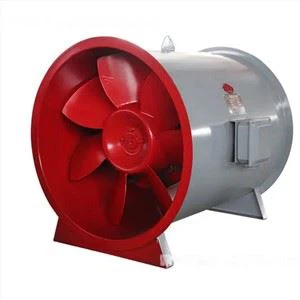
As a seasoned supplier of factory roof fans, I understand the critical role these fans play in maintaining a safe and efficient industrial environment. A properly functioning factory roof fan can significantly improve air quality, reduce heat buildup, and prevent the accumulation of harmful pollutants. In this blog post, I will share some essential tips on how to check if a factory roof fan is working properly.
Visual Inspection
The first step in checking a factory roof fan is to conduct a thorough visual inspection. Start by examining the fan blades for any signs of damage, such as cracks, bends, or missing pieces. Damaged blades can cause the fan to operate inefficiently or even pose a safety hazard. Additionally, check the fan housing for any signs of corrosion, rust, or other damage that could affect its performance.
Next, inspect the motor and electrical components of the fan. Look for any loose wires, frayed cables, or signs of overheating. These issues can indicate a problem with the electrical system and should be addressed immediately by a qualified electrician. Also, check the motor for proper lubrication and make sure it is running smoothly. A noisy or vibrating motor could be a sign of a mechanical problem that needs to be fixed.
Airflow Testing
One of the most important indicators of a properly functioning factory roof fan is the airflow it generates. To test the airflow, you can use a simple anemometer, which is a device that measures the speed of air. Place the anemometer in front of the fan outlet and record the airflow speed. Compare the reading to the manufacturer's specifications to ensure that the fan is operating within the recommended range.
If the airflow speed is lower than expected, there could be several possible causes. One common issue is a clogged air intake or exhaust duct. Check the ducts for any obstructions, such as debris, dust, or bird nests, and clean them out if necessary. Another possible cause is a malfunctioning fan blade or motor. In this case, you may need to replace the damaged component to restore proper airflow.
Pressure Testing
In addition to airflow testing, it is also important to perform a pressure test on the factory roof fan. Pressure testing helps to determine if the fan is creating the necessary negative pressure to effectively remove stale air and pollutants from the building. To conduct a pressure test, you will need a manometer, which is a device that measures the pressure difference between two points.
Connect the manometer to the air intake and exhaust ducts of the fan and record the pressure readings. Compare the readings to the manufacturer's specifications to ensure that the fan is creating the proper pressure differential. If the pressure readings are lower than expected, it could indicate a problem with the fan's design or installation. In this case, you may need to consult with a professional engineer to determine the best course of action.
Noise and Vibration Analysis
Excessive noise and vibration can be a sign of a problem with a factory roof fan. While some level of noise and vibration is normal during operation, abnormal levels can indicate a mechanical issue that needs to be addressed. To analyze the noise and vibration of the fan, you can use a sound level meter and a vibration analyzer.

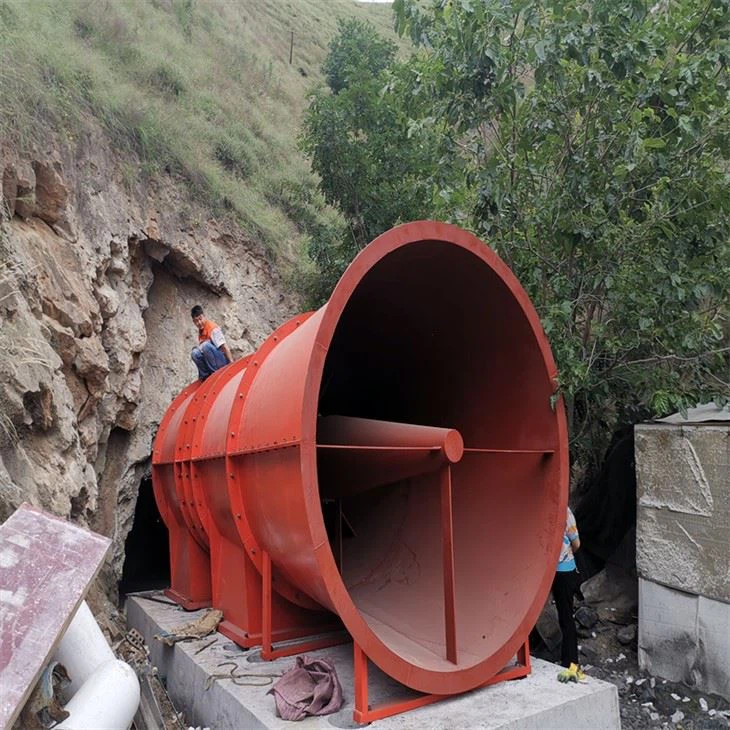
Place the sound level meter near the fan and record the noise level. Compare the reading to the manufacturer's specifications to ensure that the fan is operating within the acceptable noise range. If the noise level is higher than expected, it could be due to a loose fan blade, a misaligned motor, or a worn-out bearing. In this case, you will need to tighten the loose components, realign the motor, or replace the worn-out bearing to reduce the noise.
Similarly, use the vibration analyzer to measure the vibration levels of the fan. Excessive vibration can cause damage to the fan and other equipment in the building. If the vibration levels are higher than normal, it could be a sign of a problem with the fan's balance or alignment. In this case, you may need to balance the fan blades or realign the motor to reduce the vibration.
Maintenance and Cleaning
Regular maintenance and cleaning are essential for ensuring the proper operation of a factory roof fan. Over time, dust, dirt, and other debris can accumulate on the fan blades, motor, and other components, which can reduce the fan's efficiency and performance. To prevent this, it is recommended to clean the fan at least once a year or more frequently if the environment is particularly dirty.
When cleaning the fan, make sure to turn off the power supply and follow the manufacturer's instructions. Use a soft brush or cloth to remove the dust and debris from the fan blades and housing. You can also use a mild detergent and water to clean the components, but make sure to dry them thoroughly before reinstalling them. Additionally, lubricate the motor and other moving parts as recommended by the manufacturer to prevent wear and tear.
Conclusion
Checking if a factory roof fan is working properly is an important part of maintaining a safe and efficient industrial environment. By conducting regular visual inspections, airflow and pressure testing, noise and vibration analysis, and performing proper maintenance and cleaning, you can ensure that your factory roof fan is operating at its best. If you have any questions or concerns about the performance of your factory roof fan, or if you are interested in purchasing a new fan, please feel free to contact us. We are a leading Exhaust Fan Roof Air Vent Fan Manufacturer and can provide you with high-quality products and professional advice. Our Booster Fan Duct Booster Fan and Industrial Axial Flow Roof Top Air Extractor Fan Mushroom Exhaust Fan are designed to meet the specific needs of industrial applications and can help you improve the air quality and efficiency of your factory.
References
- Manufacturer's manuals for factory roof fans
- Industry standards and guidelines for fan testing and maintenance
- Technical literature on airflow and pressure measurement