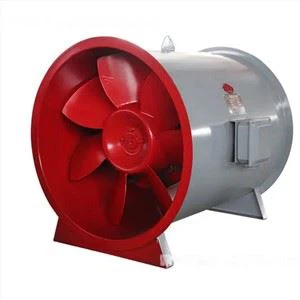
When it comes to installing a roof axial flow fan, having the right tools at your disposal is crucial. As a supplier of high - quality Roof Axial Flow Fans, I understand the importance of a smooth and efficient installation process. In this blog post, I'll walk you through the essential tools needed for installing a roof axial flow fan, ensuring that you're well - equipped for the task.
Measuring Tools
Before you even start the installation, accurate measurements are essential. You need to determine the exact location on the roof where the fan will be installed and ensure that the opening is the right size.
- Tape Measure: A reliable tape measure is a must - have. It should be long enough to measure the dimensions of the roof opening, the fan unit, and any surrounding areas. You'll use it to check that the roof opening matches the fan's dimensions precisely. For example, if you're installing an Axial Fans Wall Fans Roof Ventilator Fan, you need to measure the length, width, and depth of the opening to ensure a proper fit.
- Level: A spirit level is used to ensure that the fan is installed perfectly horizontally and vertically. This is important for the proper functioning of the fan. If the fan is not level, it may vibrate excessively, which can lead to premature wear and tear and reduced efficiency.
Cutting Tools
Depending on the type of roof and the existing structure, you may need to make some cuts to create an opening for the fan.
- Circular Saw: A circular saw is a powerful tool that can be used to cut through various roofing materials such as plywood, metal, or fiberglass. When using a circular saw, it's important to follow all safety precautions, including wearing safety goggles and using a sharp blade. You can use it to create a precise opening for your Axial Roof Ventilation Fan For Factory Warehouse.
- Jigsaw: A jigsaw is more versatile and can be used for more intricate cuts. It's ideal for cutting curves or irregular shapes if needed. For example, if you need to make adjustments to the opening around pipes or other obstacles on the roof, a jigsaw can be very useful.
Fastening Tools
Once the opening is created, you'll need to secure the fan to the roof.
- Screwdriver Set: A set of screwdrivers, including both flat - head and Phillips - head, is essential. You'll use them to attach the fan housing to the roof structure. Make sure to choose the right size of screwdriver for the screws provided with the fan.
- Drill: A power drill is used to create holes for screws and to insert self - tapping screws. It can also be used to pre - drill holes in harder materials to prevent the wood or metal from splitting. You may need different drill bits depending on the material you're working with. For instance, when installing an Industrial Axial Flow Roof Top Air Extractor Fan Mushroom Exhaust Fan, you'll use the drill to secure the fan to the roof.
- Nail Gun: In some cases, nails may be used in addition to or instead of screws. A nail gun can quickly and efficiently drive nails into the roof structure. However, make sure that using nails is appropriate for your specific installation and that they are the right size and type.
Sealant and Caulking Tools
To prevent water leaks and ensure a tight seal around the fan, you'll need sealant and the right tools to apply it.
- Caulk Gun: A caulk gun is used to apply sealant around the edges of the fan opening. It allows for precise application of the sealant. Choose a high - quality sealant that is suitable for outdoor use and can withstand the elements.
- Putty Knife: A putty knife can be used to smooth out the sealant after application. It helps to ensure an even and professional - looking finish.
Safety Tools
Safety should always be a top priority when working on a roof.
- Ladder: A sturdy ladder is essential for accessing the roof safely. Make sure the ladder is the right height and is in good condition. It should be placed on a stable surface and secured properly.
- Safety Harness: A safety harness is a must - have when working on a roof. It can prevent falls and serious injuries. Always wear the safety harness and attach it to a secure anchor point on the roof.
- Safety Goggles and Gloves: Safety goggles protect your eyes from debris, while gloves protect your hands from sharp edges, cuts, and chemical exposure when handling sealants or other materials.
Electrical Tools
Since roof axial flow fans are powered by electricity, you'll need some electrical tools for the wiring.


- Wire Strippers: Wire strippers are used to remove the insulation from electrical wires. This is necessary for making proper electrical connections.
- Voltage Tester: A voltage tester is used to check if the electrical circuit is live before working on it. It's an important safety tool that can prevent electric shocks.
- Electrical Tape: Electrical tape is used to insulate electrical connections and prevent short - circuits. Make sure to use high - quality electrical tape that is rated for the voltage of the fan.
Assembly Tools
Some roof axial flow fans may require some assembly before installation.
- Wrench Set: A set of wrenches is used to tighten nuts and bolts during the assembly process. Make sure to have a variety of sizes to fit different components of the fan.
- Pliers: Pliers can be used for gripping, bending, and cutting wires or other small parts during the assembly. They are a versatile tool that can come in handy in many situations.
Additional Considerations
- Lifting Equipment: Depending on the size and weight of the fan, you may need some lifting equipment such as a hoist or a pulley system to lift the fan onto the roof. This can make the installation process much easier and safer.
- Roofing Shovel or Rake: If you need to remove existing roofing materials to make way for the fan, a roofing shovel or rake can be useful. It can help you quickly and efficiently remove shingles or other debris from the roof.
In conclusion, installing a roof axial flow fan requires a comprehensive set of tools. By having all the necessary tools on hand, you can ensure a smooth and successful installation. As a supplier of Roof Axial Flow Fans, we are committed to providing you with high - quality products and the information you need for a proper installation. If you're interested in purchasing our fans or have any questions about the installation process, we invite you to contact us for a procurement discussion. We're here to assist you every step of the way.
References
- "Roof Ventilation Installation Guide" - Industry - standard guide on roof ventilation systems.
- "Electrical Safety Handbook" - Handbook on electrical safety practices for DIY electrical work.
- "Tool Safety Manual" - Manual on the safe use of various hand and power tools.