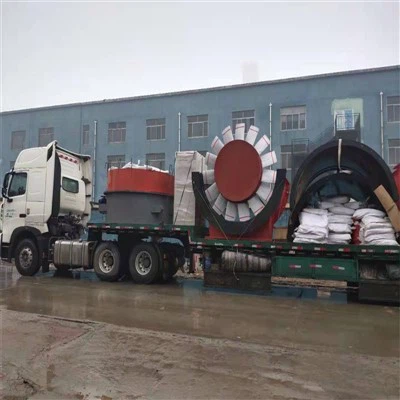
Hey there! I'm a supplier of Wall Axial Fan, and I know how overwhelming it can be to buy one online. With so many options out there, it's easy to get lost in the sea of choices. But don't worry, I'm here to help you out. In this blog post, I'll walk you through everything you need to look for when buying a wall axial fan online.
Airflow and CFM
One of the most important things to consider when buying a wall axial fan is the airflow. The airflow is measured in cubic feet per minute (CFM), and it tells you how much air the fan can move in a minute. The higher the CFM, the more air the fan can move, and the better it will be at ventilating your space.


When choosing a wall axial fan, you need to consider the size of the room you want to ventilate. For small rooms, a fan with a CFM of 100-300 should be sufficient. For medium-sized rooms, you'll want a fan with a CFM of 300-600. And for large rooms or industrial spaces, you'll need a fan with a CFM of 600 or more.
Fan Size and Dimensions
Another important factor to consider is the size and dimensions of the fan. You need to make sure that the fan will fit in the space where you want to install it. Measure the opening in the wall where you want to install the fan, and make sure that the fan's dimensions are compatible.
Wall axial fans come in a variety of sizes, from small portable fans to large industrial fans. If you're installing the fan in a residential setting, a smaller fan will probably be sufficient. But if you're using the fan in an industrial or commercial setting, you'll need a larger fan with a higher CFM.
Motor Power and Efficiency
The motor is the heart of the wall axial fan, and it's important to choose a fan with a powerful and efficient motor. The motor power is measured in watts, and the higher the wattage, the more powerful the motor. However, a more powerful motor also means higher energy consumption.
Look for a fan with a motor that has a high efficiency rating. An efficient motor will use less energy to produce the same amount of airflow, which will save you money on your energy bills in the long run. You can usually find the motor's efficiency rating in the product specifications.
Noise Level
Nobody wants a fan that makes a lot of noise. When you're buying a wall axial fan online, pay attention to the noise level. The noise level is measured in decibels (dB), and the lower the dB rating, the quieter the fan.
If you're installing the fan in a bedroom, office, or other quiet space, you'll want to choose a fan with a low noise level. Look for fans that have a noise level of 50 dB or less. Some fans even come with noise-reducing features, such as special blades or motors, which can help to reduce the noise even further.
Build Quality and Durability
You want a wall axial fan that will last for a long time. When you're buying a fan online, look for a fan that is made of high-quality materials and has a solid construction. Stainless steel, aluminum, and high-grade plastics are all good materials for fan housing and blades.
Check the customer reviews to see what other people are saying about the fan's build quality and durability. If a lot of customers are complaining about the fan breaking down or not lasting very long, it's probably not a good choice.
Additional Features
Some wall axial fans come with additional features that can make them more useful and convenient. Here are some features to look for:
- Variable speed control: This allows you to adjust the speed of the fan to suit your needs. You can set the fan to run at a low speed for quiet operation or a high speed for maximum airflow.
- Reversible motor: A reversible motor allows you to change the direction of the airflow. This can be useful for different ventilation needs, such as exhausting stale air or bringing in fresh air.
- Thermostat control: Some fans come with a thermostat that automatically turns the fan on and off based on the temperature. This can help to save energy and keep your space at a comfortable temperature.
- Remote control: A remote control allows you to operate the fan from a distance, which can be very convenient.
Brand and Reputation
It's always a good idea to buy products from a reputable brand. A well-known brand is more likely to stand behind its products and offer good customer service. Look for brands that have been in business for a long time and have a good reputation in the industry.
You can check the brand's website for customer reviews and testimonials. You can also look for reviews on third-party websites, such as Amazon or Home Depot. By reading the reviews, you can get an idea of what other people think about the brand and its products.
Price
Price is always a consideration when you're buying anything online. Wall axial fans come in a wide range of prices, from very cheap to very expensive. When you're comparing prices, make sure you're comparing apples to apples. Consider the fan's airflow, size, motor power, and additional features when evaluating the price.
Don't be afraid to spend a little more money on a high-quality fan. A good fan will last longer, be more efficient, and provide better performance than a cheap fan. In the long run, you'll save money by not having to replace the fan as often.
Buying from a Reliable Supplier
As a Wall Axial Fan supplier, I know the importance of buying from a reliable supplier. When you're buying a wall axial fan online, make sure you're buying from a reputable seller. Look for sellers that have a good rating and positive customer reviews.
Check the seller's return policy and warranty information. Make sure you understand the terms and conditions of the return policy in case you're not satisfied with the product. A good seller will offer a reasonable return policy and a warranty on their products.
Contact for Procurement
If you're interested in purchasing a wall axial fan or have any questions about our products, feel free to reach out. We're here to help you find the perfect fan for your needs. Whether you're a homeowner looking for a small fan for your bedroom or a business owner in need of a large industrial fan, we've got you covered.
References
- Fan Industry Guidelines on Airflow and Performance
- Consumer Reports on Fan Efficiency and Noise Levels
- Manufacturer's Specifications for Wall Axial Fans