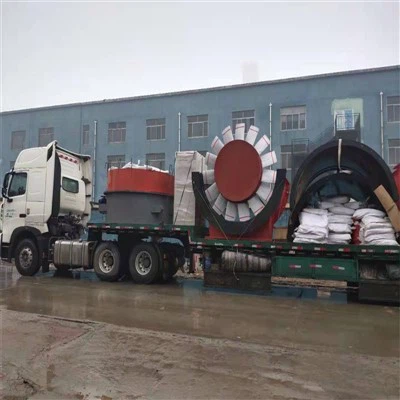
Installing a highway tunnel fan in a tunnel with limited headroom presents a unique set of challenges. As a renowned highway tunnel fan supplier, we understand the importance of a well - planned and carefully executed installation process. In this blog, we will delve into the step - by - step guide on how to install a highway tunnel fan in such a confined space, ensuring optimal performance and safety.
Understanding the Constraints of Limited Headroom
Before initiating the installation, it is crucial to thoroughly assess the limitations of the tunnel's headroom. Limited headroom restricts the size and type of fans that can be used. It also affects the installation methods, as there may not be enough vertical space for traditional installation techniques. For example, a larger diameter fan may not fit vertically, and the assembly process may need to be done in a more horizontal or modular fashion.
Selecting the Appropriate Fan
The choice of the fan is of utmost importance. When dealing with limited headroom, we recommend fans with a low - profile design. Our Tunnel Explosion Proof Reversible Blower and Tunnel Boring Construction Fan are well - suited for such applications. These fans are engineered to provide high - efficiency ventilation while occupying minimal vertical space.
When selecting a fan, consider factors such as airflow requirements, pressure needs, and the type of pollutants that need to be removed. The fan should be able to generate sufficient airflow to maintain air quality within the tunnel, despite the space constraints. For instance, if the tunnel experiences heavy traffic, a fan with a higher airflow rate may be necessary to remove exhaust fumes in a timely manner.
Pre - installation Preparation
Site Survey
A detailed site survey is essential. It involves measuring the headroom, length, and width of the tunnel. Also, note the location of any existing structures such as lighting fixtures, pipes, or cables that could interfere with the fan installation. Create a 3D model of the tunnel to visualize the installation process and identify potential obstacles.
Engineering Design
Based on the site survey, an engineering design for the fan installation should be developed. This design should include the layout of the fan, support structures, and ductwork. The support structures must be designed to withstand the weight of the fan and any vibrations. The ductwork should be designed to minimize pressure losses and ensure efficient airflow.
Safety Planning
Safety is a top priority during installation. Develop a comprehensive safety plan that includes measures for working at heights, electrical safety, and protection against falling objects. Ensure that all workers are trained in safety procedures and are equipped with the necessary personal protective equipment (PPE).
Installation Process
Assembly of the Fan
In a limited headroom environment, the fan may need to be assembled in sections. Start by assembling the fan components on the ground. This includes the impeller, motor, and housing. Ensure that all components are properly aligned and tightened to prevent any vibrations during operation.
Installation of Support Structures
Install the support structures for the fan. These structures should be anchored securely to the tunnel walls or ceiling. In a tunnel with limited headroom, wall - mounted support structures may be more feasible than ceiling - mounted ones. Use high - strength bolts and brackets to ensure the stability of the support structures.
Lifting and Placement of the Fan
Once the support structures are in place, lift the assembled fan into position. Use a hoist or a crane that is suitable for the weight and size of the fan. In a limited headroom tunnel, the lifting equipment may need to be specially adapted. Carefully maneuver the fan into its designated position on the support structures and secure it in place.


Connection of Ductwork
Connect the ductwork to the fan. The ductwork should be sealed properly to prevent air leakage. Use flexible duct connectors to accommodate any minor misalignments between the fan and the ductwork. Ensure that the ductwork is routed in a way that minimizes bends and obstructions to maintain efficient airflow.
Electrical Connection
Make the electrical connections for the fan. Hire a qualified electrician to ensure that all electrical work is done in accordance with local electrical codes. Use high - quality electrical cables and connectors to prevent electrical failures. Provide proper grounding for the fan to protect against electrical shocks.
Post - installation Testing and Commissioning
Functional Testing
After the installation is complete, conduct a functional test of the fan. Start the fan and check for any unusual noises, vibrations, or leaks. Monitor the airflow rate and pressure to ensure that the fan is operating within the design specifications.
Performance Testing
Perform performance testing to evaluate the effectiveness of the ventilation system. Use airflow sensors and gas detectors to measure the air quality and ventilation efficiency within the tunnel. Compare the test results with the design requirements and make any necessary adjustments to the fan or ductwork.
Commissioning
Once the fan passes all the tests, commission the system. Provide training to the tunnel operators on how to operate and maintain the fan. Develop a maintenance schedule to ensure the long - term reliability of the fan.
Maintenance Considerations
Regular maintenance is essential for the proper functioning of the highway tunnel fan. In a tunnel with limited headroom, maintenance can be more challenging. However, with proper planning, it can be carried out effectively.
Accessibility
Ensure that the fan and its components are easily accessible for maintenance. This may involve installing access doors or platforms. Regularly clean the fan and its components to prevent the accumulation of dust and debris.
Inspection
Conduct regular inspections of the fan, support structures, and ductwork. Check for signs of wear and tear, corrosion, or loose connections. Replace any damaged components immediately to prevent further damage.
Lubrication
If the fan has moving parts that require lubrication, follow the manufacturer's recommendations for lubrication intervals and types of lubricant.
Conclusion
Installing a highway tunnel fan in a tunnel with limited headroom is a complex but achievable task. By carefully selecting the appropriate fan, conducting a thorough site survey, and following a well - planned installation process, we can ensure the efficient and safe operation of the ventilation system.
As a leading highway tunnel fan supplier, we are committed to providing high - quality products and professional installation services. Our Tunnel Explosion Proof Reversible Blower, Tunnel Boring Construction Fan, and Mine Suction Double Impeller Fan are designed to meet the diverse needs of tunnel ventilation projects.
If you are considering a tunnel ventilation project or need to replace an existing fan, we encourage you to contact us for a consultation. Our team of experts will work with you to develop a customized solution that meets your specific requirements.
References
- ASHRAE Handbook - HVAC Systems and Equipment. American Society of Heating, Refrigerating and Air - Conditioning Engineers.
- Tunnel Ventilation Design Guidelines. International Tunnelling and Underground Space Association.
- Safety Standards for Tunnel Construction and Operation. Occupational Safety and Health Administration.