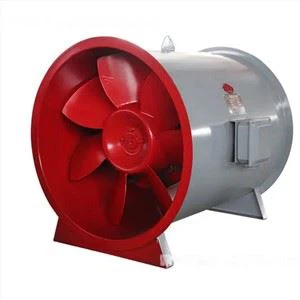
Hey there! As a supplier of Local Air Supply Fans, I often get asked about the weight of these fans. It's a pretty important factor, especially when it comes to installation, transportation, and overall handling. So, let's dive into what the weight of a Local Air Supply Fan really means and why it matters.
Why Does the Weight Matter?
First off, let's talk about why the weight of a Local Air Supply Fan is a big deal. When you're installing a fan, whether it's in a mine, a factory, or any other industrial setting, you need to make sure that the structure can support its weight. If the fan is too heavy for the mounting system, it can lead to all sorts of problems, like instability, vibration, and even damage to the surrounding equipment.
Transportation is another key consideration. If you're shipping the fan to a job site, you need to know its weight to calculate shipping costs accurately. A heavier fan might require special handling or a larger vehicle, which can add to the overall expense.
Factors Affecting the Weight
The weight of a Local Air Supply Fan can vary significantly depending on several factors. One of the most important factors is the size of the fan. Generally speaking, larger fans tend to be heavier because they have bigger components, such as the motor, blades, and housing. For example, a small, portable Local Air Supply Fan might weigh only a few kilograms, while a large industrial - scale fan could weigh several hundred kilograms or even more.
The materials used in the construction of the fan also play a major role. Fans made from high - strength metals like steel or aluminum are likely to be heavier than those made from lighter materials like plastic. Steel is a popular choice for industrial fans because it's strong and durable, but it adds to the weight. On the other hand, plastic fans are lighter, but they might not be as suitable for heavy - duty applications.
The design of the fan can also affect its weight. Some fans have complex designs with additional features like built - in dampers, speed controls, or advanced aerodynamic shapes. These extra components can add to the overall weight of the fan.
Weight Ranges of Different Types of Local Air Supply Fans
Let's take a look at some common types of Local Air Supply Fans and their typical weight ranges.


Gold Mine Axial Flow Fan
The Gold Mine Axial Flow Fan is designed specifically for use in gold mines. These fans need to be powerful enough to move large volumes of air in the mine shafts. Due to their large size and the need for heavy - duty construction to withstand the harsh mining environment, they can be quite heavy. A medium - sized Gold Mine Axial Flow Fan might weigh anywhere from 100 to 500 kilograms, while larger models can weigh over a ton.
Extraction - type Local Ventilator Under the Mine
The Extraction - type Local Ventilator Under the Mine is used to remove harmful gases and dust from the mine. These fans are usually smaller than the main ventilation fans but still need to be robust. They typically weigh between 20 and 100 kilograms, depending on their size and the materials used.
Underground Ventilation Fans
Underground Ventilation Fans are crucial for maintaining good air quality in underground facilities. These fans come in a wide range of sizes and weights. Smaller underground ventilation fans might weigh around 10 - 50 kilograms, while larger, more powerful ones can weigh several hundred kilograms.
How to Determine the Weight of a Specific Fan
If you're interested in a particular Local Air Supply Fan, the best way to find out its weight is to check the product specifications. Most manufacturers provide detailed information about the weight, dimensions, and other technical parameters of their fans. You can usually find this information on the manufacturer's website, in product brochures, or by contacting the sales team directly.
When you're comparing different fans, make sure to look at the weight in relation to other important factors like airflow capacity, power consumption, and noise level. A heavier fan might be more powerful, but it could also consume more energy and be noisier.
Importance of Accurate Weight Information for Installation
When it comes to installing a Local Air Supply Fan, having accurate weight information is crucial. The installation team needs to know the weight of the fan to determine the appropriate mounting method. For example, a heavy fan might require a reinforced mounting structure or special brackets to ensure its stability.
They also need to know the weight for safety reasons. Overloading a mounting system can lead to accidents, so it's important to follow the manufacturer's guidelines regarding the maximum weight that the mounting system can support.
Cost Considerations Related to Weight
As I mentioned earlier, the weight of a Local Air Supply Fan can have an impact on the cost. Heavier fans are generally more expensive to manufacture because they use more materials. In addition, the shipping and installation costs are likely to be higher. However, it's important to balance the cost against the performance and durability of the fan. A heavier, more expensive fan might be a better long - term investment if it can provide reliable service and meet your specific requirements.
Making the Right Choice
When you're in the market for a Local Air Supply Fan, don't just focus on the weight. Consider all the factors, including the size, performance, materials, and cost. Think about your specific application and what you need the fan to do. If you're working in a confined space, a lighter, more portable fan might be a better choice. But if you need a fan for a large industrial facility, a heavier, more powerful fan could be the way to go.
Conclusion
In conclusion, the weight of a Local Air Supply Fan is an important factor that can affect installation, transportation, and cost. It varies depending on the size, materials, and design of the fan. By understanding the factors that influence the weight and considering your specific needs, you can make an informed decision when choosing a Local Air Supply Fan.
If you're interested in learning more about our range of Local Air Supply Fans or have any questions about their weight, performance, or other aspects, don't hesitate to reach out. We're here to help you find the perfect fan for your application. Whether you're a mining company, a factory owner, or involved in any other industry that requires ventilation, we can provide you with the right solution. Let's start a conversation about your ventilation needs and see how we can work together!
References
- General knowledge in the field of ventilation engineering
- Industry reports on Local Air Supply Fans
- Manufacturer's product specifications and brochures