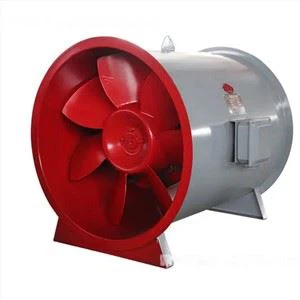
As a supplier of Subway Wind Fans, understanding the temperature range for these fans to work properly is crucial. This knowledge not only ensures the efficient operation of the fans but also guarantees the safety and comfort of subway passengers and staff. In this blog post, I will delve into the temperature requirements for Subway Wind Fans and provide insights based on industry standards and our experience.
General Temperature Range for Subway Wind Fans
Subway Wind Fans are designed to operate within a specific temperature range to maintain their performance and longevity. Typically, the normal operating temperature range for these fans is between -20°C and 50°C. This range is set to accommodate the diverse environmental conditions found in subway systems around the world.
Low - Temperature Conditions
At low temperatures, such as -20°C, the materials used in the fan construction need to be able to withstand the cold without becoming brittle or losing their mechanical properties. For example, the fan blades are often made of materials like fiberglass - reinforced plastic (FRP) or aluminum alloy, which have good low - temperature resistance. The motor and electrical components also need to be designed to start and operate smoothly in cold environments. Special lubricants are used in the bearings to prevent them from freezing and to ensure proper rotation.
However, extremely low temperatures can pose challenges. For instance, the air density increases at low temperatures, which means the fan has to work harder to move the same volume of air. This can lead to increased power consumption and potential overloading of the motor if not properly accounted for in the fan design.
High - Temperature Conditions
On the other end of the spectrum, at high temperatures up to 50°C, the heat dissipation of the motor and other components becomes a critical issue. The motor generates heat during operation, and in high - temperature environments, it is essential to ensure that this heat can be effectively dissipated to prevent overheating and damage. Cooling fins are often added to the motor housing to increase the surface area for heat transfer.
The insulation materials used in the electrical components also need to have high - temperature resistance. If the temperature exceeds the rated limit of the insulation, it can lead to electrical shorts and failures. Additionally, the high - temperature environment can cause the lubricants in the bearings to break down more quickly, reducing their service life.
Specialized Fans for Extreme Temperatures
In some cases, subway systems may experience more extreme temperature conditions. For example, in areas with very hot summers or cold winters, standard Subway Wind Fans may not be sufficient. That's where specialized fans come in.
High - Temperature Smoke Exhaust Fans
For high - temperature scenarios, especially during a fire in the subway tunnel, SDS High Temperature Axial Flow Smoke Exhaust Fan is an excellent choice. These fans are designed to operate at extremely high temperatures, often up to 400°C for a certain period (usually around 2 - 3 hours). They are made of heat - resistant materials and have advanced cooling and ventilation systems to ensure their performance during a fire emergency.
Explosion - Proof Fans for Cold Regions
In cold regions where there may be a risk of explosive gases, SDS Series Explosion Proof Jet Fan For Tunnels is a suitable option. These fans are not only designed to withstand low temperatures but also have explosion - proof features to ensure safety. They are often used in subway stations and tunnels where there is a potential for gas leakage, such as near industrial areas.
Factors Affecting the Temperature Range
Several factors can affect the actual temperature range within which a Subway Wind Fan can work properly.
Altitude
Higher altitudes generally have lower air pressure. This can affect the performance of the fan, especially at high temperatures. With lower air pressure, the heat dissipation of the motor becomes less efficient because there is less air available to carry away the heat. As a result, the maximum operating temperature may need to be adjusted downward at higher altitudes.
Humidity
High humidity can also impact the performance of Subway Wind Fans. In humid environments, the moisture in the air can cause corrosion of the fan components, especially the metal parts. This can reduce the service life of the fan and may also affect its electrical insulation. In addition, humidity can make the air denser, which can increase the load on the fan motor.
Dust and Particulate Matter
Dust and particulate matter in the subway environment can accumulate on the fan blades and other components. This can not only affect the aerodynamic performance of the fan but also block the cooling channels of the motor, leading to overheating. Regular maintenance and cleaning are essential to ensure the proper operation of the fan in dusty environments.
Ensuring Optimal Performance within the Temperature Range
To ensure that Subway Wind Fans work properly within the specified temperature range, several measures can be taken.
Regular Maintenance
Regular maintenance is crucial for the long - term performance of the fans. This includes checking the lubrication of the bearings, inspecting the electrical connections, and cleaning the fan blades and other components. By performing regular maintenance, potential problems can be detected and resolved before they lead to major failures.
Monitoring and Control Systems
Installing monitoring and control systems can help to keep track of the operating temperature of the fans. These systems can alert the maintenance personnel when the temperature exceeds the normal range, allowing them to take appropriate actions, such as adjusting the fan speed or increasing the ventilation in the subway station or tunnel.
Proper Installation
Proper installation of the fans is also essential. The fans should be installed in a well - ventilated area to ensure good heat dissipation. The orientation and alignment of the fans should be correct to ensure efficient air movement. In addition, the electrical connections should be made according to the manufacturer's specifications to prevent electrical problems.
Conclusion
In conclusion, the normal temperature range for Subway Wind Fans to work properly is between -20°C and 50°C. However, specialized fans are available for extreme temperature conditions. Factors such as altitude, humidity, and dust can affect the actual temperature range. By taking measures such as regular maintenance, installing monitoring and control systems, and ensuring proper installation, we can ensure that the fans perform optimally within the specified temperature range.


If you are involved in a subway or underground project and are looking for high - quality Subway Wind Fans, we are here to help. Our Subway Wind Fan | SDS Tunnel Jet Fan for Metro and Underground Projects is designed to meet the diverse needs of subway systems. We invite you to contact us for more information and to discuss your specific requirements. Our team of experts will be happy to assist you in selecting the right fans for your project.
References
- ASHRAE Handbook of Fundamentals
- International Electrotechnical Commission (IEC) standards for electrical equipment in subway environments
- Manufacturer's specifications for Subway Wind Fans