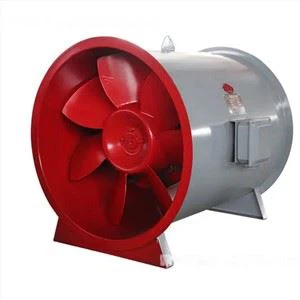
As a supplier of Withdraw Axial Fans, I often get asked about the operating temperature range of these fans. It's a crucial question, especially when you're looking to use them in specific environments. So, let's dig into this topic and find out what you need to know.
What is a Withdraw Axial Fan?
Before we jump into the temperature range, let's quickly understand what a Withdraw Axial Fan is. These fans are designed to move air parallel to the shaft about which the blades rotate. They're commonly used in various industrial applications, including ventilation in mines, factories, and large buildings. Their unique design allows for easy maintenance as the fan can be withdrawn from the housing without disturbing the ductwork.
Factors Affecting the Operating Temperature Range
The operating temperature range of a Withdraw Axial Fan isn't a one - size - fits - all number. There are several factors that come into play:
1. Motor Design
The motor is the heart of the fan. Different motors are designed to handle different temperature ranges. For instance, standard motors might be rated for a normal operating temperature of around - 20°C to 40°C. However, if you're using a fan in a more extreme environment, you might need a motor with a higher temperature rating. Motors with special insulation and cooling systems can operate at much higher temperatures, sometimes up to 60°C or even more.
2. Material of Construction
The materials used to build the fan also affect its temperature tolerance. The blades, housing, and other components need to withstand the heat without deforming or losing their structural integrity. For example, fans with blades made of high - temperature - resistant plastics or metals like stainless steel can handle higher temperatures compared to those made of regular plastics.
3. Airflow and Cooling
The amount of airflow the fan can generate and how well it can cool itself is another important factor. If the fan is in an environment where there's a lot of heat, it needs to be able to dissipate that heat effectively. A well - designed fan with good airflow will be able to operate at higher temperatures than one with poor airflow.


Typical Operating Temperature Ranges
Based on these factors, the typical operating temperature range for a Withdraw Axial Fan can vary.
General Industrial Use
For most general industrial applications, the operating temperature range is usually between - 20°C and 40°C. This range covers a wide variety of environments, from cool warehouses to moderately warm factory floors. In these conditions, the fan can operate efficiently without any major issues.
High - Temperature Environments
In industries like mining or metal processing, where the temperatures can be much higher, special fans are required. These fans can have an operating temperature range of up to 60°C or even higher. For example, in a mining operation, the Exhaust Fan for Mining needs to be able to handle the heat generated deep underground. The Mine Ventilation Blower and Mine Main Ventilation Fan are designed to work in these high - temperature environments to ensure proper ventilation.
Low - Temperature Environments
On the other end of the spectrum, in cold storage facilities or outdoor applications in cold climates, the fan needs to be able to operate at low temperatures. Some fans can operate at temperatures as low as - 40°C. However, at these low temperatures, the lubricants in the motor and bearings need to be specially formulated to prevent them from thickening and causing damage to the fan.
Why is the Operating Temperature Range Important?
Understanding the operating temperature range of a Withdraw Axial Fan is crucial for several reasons.
Equipment Longevity
If you operate the fan outside of its recommended temperature range, it can significantly reduce the lifespan of the fan. High temperatures can cause the motor to overheat, leading to insulation breakdown and premature failure. Low temperatures can make the components brittle and increase the risk of mechanical failure.
Performance
The performance of the fan can also be affected by temperature. At high temperatures, the air density decreases, which can reduce the amount of air the fan can move. At low temperatures, the viscosity of the air increases, which can also impact the fan's performance.
Safety
Operating a fan outside of its temperature range can pose safety risks. Overheating motors can be a fire hazard, and mechanical failures can lead to parts flying off the fan, causing injury to nearby workers.
How to Choose the Right Fan for Your Temperature Requirements
When choosing a Withdraw Axial Fan, you need to consider the temperature conditions of your application. Here are some tips:
Know Your Environment
First, determine the maximum and minimum temperatures in the area where the fan will be installed. If it's an industrial environment, you might need to consult with an engineer or take temperature readings over a period of time to get an accurate picture.
Consult with a Supplier
As a supplier, we have the expertise to help you choose the right fan for your temperature requirements. We can recommend fans with the appropriate motor, materials, and design to ensure optimal performance in your specific environment.
Consider Future Changes
Think about any potential changes in the temperature conditions in the future. For example, if you're planning to expand your facility or change your production process, the temperature requirements might change. It's better to choose a fan with a slightly wider temperature range to accommodate these changes.
Conclusion
In conclusion, the operating temperature range of a Withdraw Axial Fan is an important factor to consider when selecting a fan for your application. It can vary depending on the motor design, material of construction, and airflow. By understanding your environment and consulting with a supplier, you can choose a fan that will provide reliable performance and long - term operation.
If you're in the market for a Withdraw Axial Fan and need help choosing the right one for your temperature requirements, don't hesitate to reach out. We're here to assist you with all your ventilation needs. Let's have a chat about your project and find the perfect fan for you.
References
- Industrial Ventilation Handbook
- Fan Engineering Standards