Hey there! As a supplier of Wall Axial Fan, I get asked a ton of questions about these fans. One of the most common ones is, "What is the noise level of a wall axial fan?" Today, I'm gonna break it down for you and give you all the deets.
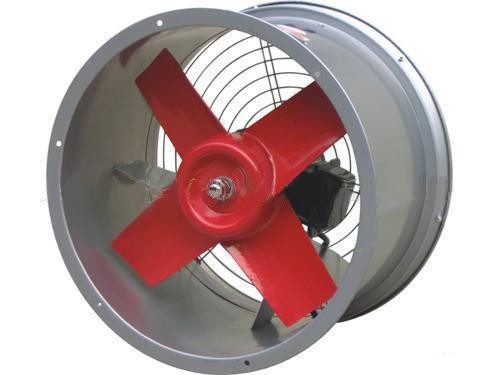
First off, let's talk about what a wall axial fan is. It's a type of fan that's designed to be mounted on a wall. It works by moving air in a straight line, parallel to the axis of the fan blades. These fans are super popular for a bunch of reasons. They're great for ventilation in workshops, warehouses, garages, and even some residential areas. They can help move fresh air in and stale air out, making the environment more comfortable and reducing things like humidity and odors.
Now, getting to the main question: the noise level. The noise level of a wall axial fan can vary quite a bit. It depends on several factors, and I'll walk you through them one by one.
Fan Size
The size of the fan plays a huge role. Generally, larger fans tend to be quieter at the same airflow rate compared to smaller ones. Why is that? Well, larger fans can move more air with less rotational speed. Smaller fans have to spin faster to move the same amount of air, and that faster spinning creates more noise. For example, a 12 - inch wall axial fan might be noisier than a 24 - inch one when you're looking to achieve the same volume of air movement.
Motor Quality
The motor is the heart of the fan. A high - quality motor is designed to run smoothly and quietly. Motors with better engineering and more precise manufacturing have less vibration, which is a major source of noise. Cheaper motors might produce a lot of rattling or humming sounds. When you're shopping for a wall axial fan, it's worth investing in one with a good - quality motor, even if it costs a bit more. You'll appreciate the quiet operation in the long run.
Blade Design
The design of the fan blades also matters. Blades that are aerodynamically optimized can cut through the air more efficiently. They create less turbulence, and that means less noise. Some fans have specially designed blades with a curved shape or unique airfoil design. These kinds of blades can reduce the whooshing and whistling sounds that you often hear from less - well - designed fans.
Airflow Rate
Here's an interesting thing. The higher the airflow rate you want, the louder the fan is likely to be. That's because to move more air, the fan either has to spin faster or use more power. Both of these things increase the noise level. If you're okay with a lower airflow rate, you can usually get a quieter fan. But of course, it's all about finding the right balance for your specific needs.
Installation
Believe it or not, how you install the wall axial fan can affect the noise level. If the fan isn't mounted properly, it can vibrate against the wall, which creates a lot of extra noise. Make sure to follow the installation instructions carefully. Use the right mounting hardware and make sure the fan is level. Sometimes, adding some vibration - dampening pads between the fan and the wall can also help reduce noise.
Now that we've covered the factors that affect the noise level, let's talk about how noise is measured. Noise is usually measured in decibels (dB). A normal conversation is about 60 dB, a vacuum cleaner might be around 70 - 80 dB, and a jet engine taking off can be over 120 dB. Most wall axial fans have noise levels in the range of 40 - 70 dB. A quieter fan might be around 40 - 50 dB, which is about as loud as a quiet library. A louder one could be up to 70 dB, which is similar to the noise of a busy street.
When you're choosing a wall axial fan, it's important to consider the noise level based on where you're going to use it. If you're using it in a workshop where there's already a lot of background noise, you might not be too concerned about a slightly louder fan. But if you're using it in a bedroom or a quiet office, you'll definitely want to go for a quieter model.
As a supplier, I've seen a wide range of wall axial fans on the market. We offer fans with different noise levels to suit different customer needs. Whether you're looking for a super - quiet fan for a peaceful environment or a more powerful, slightly louder fan for a large open space, we've got you covered.
If you're in the market for a wall axial fan and want to know more about the noise levels of our products, don't hesitate to reach out. We can provide you with detailed information about each model, including the exact noise level and how it compares to others on the market. We can also help you choose the right fan for your specific situation, based on factors like the size of the space, the required airflow rate, and your noise tolerance.
What sets our Wall Axial Fan apart is not just the variety in noise levels but also the overall quality. Our fans are built with durable materials, high - quality motors, and carefully designed blades. This ensures that you get a fan that not only performs well but also lasts a long time. Whether you need a fan for short - term use or a long - term ventilation solution, we have the right product for you.
So, if you're interested in purchasing a wall axial fan, whether it's for your home, workshop, or business, start a conversation with us. We're here to answer all your questions, provide you with product recommendations, and help you make the best decision for your ventilation needs.

In conclusion, the noise level of a wall axial fan is influenced by multiple factors, including size, motor quality, blade design, airflow rate, and installation. By understanding these factors, you can make a more informed choice when buying a fan. And if you're looking for a reliable supplier of wall axial fans, look no further. We're here to assist you every step of the way.
References
- HVAC Systems Handbook
- Fan Engineering Principles and Applications
- Industrial Ventilation Guidelines