As a seasoned supplier of workshop axial fans, I've encountered numerous inquiries regarding the maximum temperature these fans can withstand. This topic is crucial for industries that operate in high-temperature environments, such as foundries, glass manufacturing plants, and industrial kitchens. Understanding the temperature limits of workshop axial fans ensures optimal performance, longevity, and safety. In this blog, I'll delve into the factors that influence a workshop axial fan's temperature tolerance, the maximum temperatures they can typically endure, and how to choose the right fan for your high-temperature needs.
Factors Influencing Temperature Tolerance
The maximum temperature a workshop axial fan can withstand is determined by several key factors, each playing a significant role in the fan's overall performance and durability.
Motor Design and Insulation
The motor is the heart of the axial fan, and its design and insulation are critical in determining temperature tolerance. High-quality motors are designed with insulation materials that can withstand elevated temperatures without degrading. For instance, motors with Class H insulation can typically operate at temperatures up to 180°C (356°F). This type of insulation is made from materials such as mica, glass fiber, and silicone, which have excellent thermal resistance properties.
Blade Material
The blades of an axial fan are directly exposed to the hot air being moved, so their material composition is crucial. Aluminum blades are commonly used in workshop axial fans due to their lightweight and corrosion-resistant properties. However, aluminum has a relatively low melting point of around 660°C (1220°F). For applications with extremely high temperatures, fans may be equipped with blades made from stainless steel or other high-temperature alloys. Stainless steel blades can withstand temperatures up to 800°C (1472°F) or higher, depending on the specific alloy used.
Bearing Type and Lubrication
Bearings are essential components that support the rotating shaft of the fan. The type of bearings used and their lubrication play a vital role in the fan's temperature tolerance. High-temperature bearings, such as ceramic or high-temperature grease-lubricated bearings, are designed to operate at elevated temperatures without losing their lubricating properties. Ceramic bearings can withstand temperatures up to 1000°C (1832°F) and offer excellent resistance to wear and corrosion, making them ideal for high-temperature applications.
Housing and Construction
The housing of the axial fan protects the internal components from the surrounding environment and helps to direct the airflow. The material and construction of the housing can also affect the fan's temperature tolerance. Fans with housings made from heat-resistant materials, such as galvanized steel or fiberglass-reinforced plastic (FRP), can better withstand high temperatures. Additionally, proper ventilation and heat dissipation features in the housing design can help to prevent overheating and extend the fan's lifespan.
Typical Maximum Temperatures
The maximum temperature a workshop axial fan can withstand varies depending on the specific model and design. However, most standard workshop axial fans are designed to operate in environments with temperatures ranging from -20°C (-4°F) to 60°C (140°F). These fans are suitable for general industrial applications where the temperature does not exceed these limits.
For applications with higher temperatures, specialized high-temperature axial fans are available. These fans are designed with the factors mentioned above in mind and can withstand temperatures up to 200°C (392°F) or higher. Some industrial-grade fans can even operate at temperatures up to 400°C (752°F) or more, making them suitable for use in extremely hot environments such as foundries and kilns.
It's important to note that the maximum temperature a fan can withstand is not the same as the temperature at which it will operate efficiently. As the temperature increases, the performance of the fan may decrease due to factors such as increased air density and reduced motor efficiency. Therefore, it's essential to choose a fan that is rated for a temperature slightly higher than the expected operating temperature to ensure optimal performance.
Choosing the Right Fan for High-Temperature Applications
When selecting a workshop axial fan for high-temperature applications, there are several factors to consider to ensure you choose the right fan for your needs.
Temperature Rating
The first and most important factor is the temperature rating of the fan. Make sure to choose a fan that is rated for a temperature slightly higher than the maximum temperature you expect to encounter in your application. This will ensure that the fan can operate safely and efficiently without overheating.
Airflow and Pressure Requirements
In addition to temperature tolerance, you also need to consider the airflow and pressure requirements of your application. The airflow rate, measured in cubic feet per minute (CFM), determines how much air the fan can move, while the static pressure, measured in inches of water column (in. WC), indicates the fan's ability to overcome resistance in the ductwork. Make sure to choose a fan that can provide the required airflow and pressure at the expected operating temperature.

Fan Size and Configuration
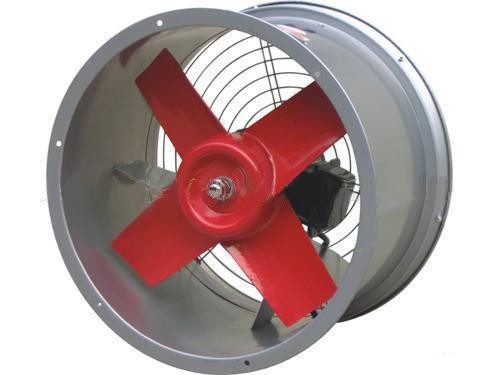
The size and configuration of the fan also play a role in its performance and suitability for high-temperature applications. Larger fans generally have a higher airflow capacity but may require more space and power to operate. Additionally, the configuration of the fan, such as inline or wall-mounted, can affect its installation and performance. Consider the available space and installation requirements in your workshop when choosing a fan size and configuration.
Energy Efficiency
Energy efficiency is an important consideration, especially for high-temperature applications where the fan may be running continuously. Look for fans with high energy efficiency ratings, such as those with variable speed drives or energy-efficient motors. These fans can help to reduce energy consumption and operating costs over the long term.
Conclusion
Understanding the maximum temperature a workshop axial fan can withstand is essential for ensuring optimal performance, longevity, and safety in high-temperature applications. By considering the factors that influence temperature tolerance, such as motor design, blade material, bearing type, and housing construction, you can choose the right fan for your specific needs. Whether you're operating a foundry, glass manufacturing plant, or industrial kitchen, there is a workshop axial fan available that can meet your high-temperature requirements.
If you're in the market for a high-temperature workshop axial fan, Wall Axial Fan is a great option to consider. Our fans are designed with the latest technology and high-quality materials to ensure reliable performance in even the most demanding environments. Contact us today to discuss your specific requirements and learn more about our range of workshop axial fans. We look forward to working with you to find the perfect solution for your high-temperature ventilation needs.
References
- ASHRAE Handbook of Fundamentals
- Fan Engineering, 9th Edition
- Industrial Ventilation: A Manual of Recommended Practice, 29th Edition