Hey there! As a provider of axial flow ventilators, I often get asked about the requirements for using these nifty devices in electronic equipment cooling. So, let's dive right in and break it down.
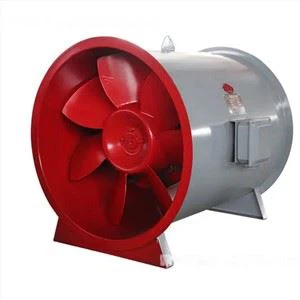
First off, let's understand what an axial flow ventilator is. Picture a fan with blades that are set parallel to the axis of the motor. When the motor spins, the blades push air in a straight line, kind of like a jet stream. This design makes axial flow ventilators super efficient at moving large volumes of air quickly.
Now, when it comes to using an axial flow ventilator for cooling electronic equipment, there are a few key requirements.
Airflow Requirements
The most basic requirement is getting the right amount of airflow. Electronic components generate heat as they work, and if that heat isn't removed, it can cause all sorts of problems. Overheating can lead to reduced performance, shortened lifespan, and even complete failure of the equipment.
To figure out how much airflow you need, you've got to consider the heat output of the electronic components. Different devices generate different amounts of heat. For example, a high - end gaming PC with a powerful graphics card and CPU will produce a lot more heat than a simple home router.
You can calculate the heat output of the components using their power ratings. Once you know the heat output, you can determine the required airflow in cubic feet per minute (CFM) or cubic meters per hour (m³/h). As a general rule of thumb, you want to have enough airflow to keep the temperature of the electronic components within their recommended operating range.
Static Pressure
Static pressure is another crucial factor. Static pressure refers to the resistance that the air encounters as it moves through the ventilation system. In an electronic equipment enclosure, there are often obstacles like circuit boards, cables, and heat sinks that can impede the airflow.
If the static pressure is too high and the ventilator can't overcome it, the airflow will be restricted. This means that not enough cool air will reach the components, and the heat won't be effectively removed.
When selecting an axial flow ventilator, you need to choose one that can handle the static pressure of your specific application. Ventilators are rated for their static pressure capabilities, usually in inches of water column (inH₂O) or pascals (Pa). You'll need to measure or estimate the static pressure in your equipment enclosure and then pick a ventilator with a sufficient static pressure rating.
Noise Level
Let's face it, nobody wants a noisy electronic device. In many applications, especially in home or office environments, noise level is a major concern. Axial flow ventilators can produce a fair amount of noise, especially if they're running at high speeds.
The noise level of a ventilator is measured in decibels (dB). When choosing a ventilator for electronic equipment cooling, you should look for one with a low noise rating. Some ventilators are designed with special features like aerodynamic blade designs and low - vibration motors to reduce noise. You can also use noise - dampening materials in the ventilation system to further reduce the noise.


Size and Mounting
The size of the axial flow ventilator is also important. It needs to fit properly within the electronic equipment enclosure. You've got to consider both the physical dimensions of the ventilator and the space available in the enclosure.
There are different mounting options available for axial flow ventilators, such as panel - mount, flange - mount, and duct - mount. The choice of mounting method depends on the design of the equipment and the ventilation system. Make sure you choose a ventilator that can be easily installed and that provides a secure and stable mount.
Environmental Conditions
The environment in which the electronic equipment operates can have a big impact on the performance of the axial flow ventilator. For example, if the equipment is used in a dusty or dirty environment, the ventilator's blades can get clogged with debris, which can reduce its efficiency and lifespan.
In such cases, you may need to use a ventilator with a dust - proof or water - proof design. There are also ventilators available that are designed for use in explosive or hazardous environments. For instance, if you're dealing with electronic equipment in a coal mine, you'll need explosion - proof axial fans. Check out Coal Mine Ventilation Fans | Explosion - Proof Axial Fans for more information on specialized ventilators for such environments.
Power Supply
Axial flow ventilators require a power supply to operate. You need to make sure that the power supply of the ventilator matches the electrical requirements of the electronic equipment. Most ventilators are designed to work with standard AC or DC power sources.
You also need to consider the power consumption of the ventilator. In some applications, especially those where power efficiency is a priority, you may want to choose a ventilator with a low power consumption.
Maintenance
Last but not least, maintenance is an important requirement. Regular maintenance of the axial flow ventilator can help ensure its long - term performance and reliability. This includes cleaning the blades to remove dust and debris, checking the motor for proper operation, and lubricating any moving parts if necessary.
Some ventilators are designed for easy maintenance, with features like removable grilles and access panels. Make sure you choose a ventilator that is easy to maintain and that comes with clear instructions on how to perform maintenance tasks.
In conclusion, using an axial flow ventilator for electronic equipment cooling requires careful consideration of several factors, including airflow, static pressure, noise level, size, environmental conditions, power supply, and maintenance. By choosing the right ventilator and ensuring that it meets all these requirements, you can effectively cool your electronic equipment and keep it running smoothly.
If you're in the market for an axial flow ventilator for your electronic equipment cooling needs, I'd love to chat with you. We've got a wide range of high - quality ventilators that can meet various requirements. Whether you need a small, quiet ventilator for a home device or a heavy - duty, explosion - proof fan for an industrial application, we've got you covered. Reach out to us, and let's start a conversation about your specific needs.
References
- "Handbook of Heating, Ventilation, and Air Conditioning" by Arthur D. Little
- "Fundamentals of Heat and Mass Transfer" by Frank P. Incropera and David P. DeWitt