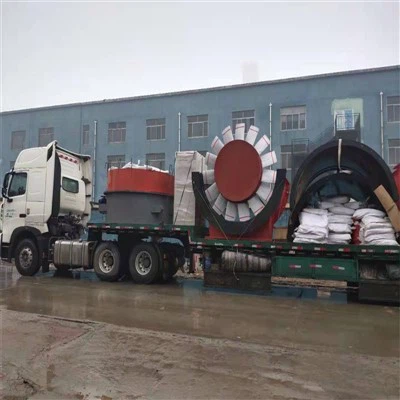
As a seasoned supplier of Workshop Axial Fans, I've witnessed firsthand the critical role these fans play in maintaining a healthy and efficient working environment. However, one of the most common issues that can plague these fans is motor over - load. In this blog, I'll share some practical tips on how to prevent the motor over - load of a workshop axial fan.
Understanding the Causes of Motor Over - load
Before we delve into prevention strategies, it's essential to understand what causes motor over - load in the first place. Several factors can contribute to this problem:
1. Excessive Air Resistance
When the air resistance that the fan has to overcome is too high, the motor has to work harder. This can happen if the air intake or outlet is blocked. For example, in a workshop, debris, dust, or even improper installation of ductwork can restrict the airflow. If the fan is trying to push air through a clogged or narrow passage, the motor will draw more current to maintain the required airflow, leading to over - load.
2. Incorrect Fan Selection
Choosing the wrong fan for the workshop can also lead to motor over - load. If the fan's capacity is too small for the size of the workshop or the ventilation requirements, the motor will be constantly strained to meet the demand. On the other hand, if the fan is too large, it may operate inefficiently, and the motor can still experience over - load due to improper load distribution.
3. Voltage Fluctuations
Unstable voltage can have a significant impact on the fan motor. If the voltage is too high, the motor will draw more current than it is designed for, causing it to overheat. Conversely, low voltage can also force the motor to work harder to maintain the same speed, leading to over - load.
4. Mechanical Problems
Worn - out bearings, misaligned shafts, or damaged blades can increase the mechanical resistance of the fan. As a result, the motor has to exert more force to turn the fan, which can lead to over - load.
Prevention Strategies
1. Regular Maintenance
Regular maintenance is the cornerstone of preventing motor over - load. Here are some key maintenance tasks:
- Clean the Fan Regularly: Remove any dust, debris, or dirt from the fan blades, housing, and air intake and outlet. This will ensure smooth airflow and reduce air resistance. For example, you can use a soft brush or compressed air to clean the fan components.
- Inspect and Replace Worn - out Parts: Check the bearings, shafts, and blades regularly for signs of wear and tear. Replace any damaged parts promptly to prevent increased mechanical resistance. For instance, if you notice that the bearings are making a grinding noise, it's a clear sign that they need to be replaced.
- Lubricate Moving Parts: Proper lubrication of bearings and other moving parts can reduce friction and ensure smooth operation. Follow the manufacturer's recommendations for the type and frequency of lubrication.
2. Correct Fan Selection
Selecting the right fan for your workshop is crucial. Consider the following factors:
- Workshop Size and Ventilation Requirements: Calculate the volume of the workshop and determine the required airflow rate. This will help you choose a fan with the appropriate capacity. For example, if you have a large workshop with high heat and moisture levels, you'll need a more powerful fan.
- Air Resistance: Take into account the air resistance in the ventilation system. If the ductwork is long or has many bends, you may need a fan with a higher static pressure to overcome the resistance.
- Energy Efficiency: Look for fans that are energy - efficient. This not only reduces your energy costs but also helps prevent motor over - load by ensuring that the motor operates within its optimal range.
Our company offers a wide range of Wall Axial Fan that are designed to meet different workshop requirements. These fans are carefully engineered to provide efficient ventilation while minimizing the risk of motor over - load.
3. Voltage Regulation
To protect the fan motor from voltage fluctuations, you can use voltage regulators or stabilizers. These devices can maintain a stable voltage supply to the motor, ensuring that it operates within its rated voltage range. Install a voltage regulator near the fan motor and regularly check its performance to ensure that it is functioning correctly.


4. Monitoring and Control
Implement a monitoring system to keep track of the fan motor's performance. You can use sensors to measure parameters such as current, temperature, and speed. If the motor starts to draw excessive current or overheat, the monitoring system can send an alert, allowing you to take corrective action before a serious problem occurs.
In addition, consider using variable - speed drives (VSDs). VSDs allow you to adjust the fan speed according to the actual ventilation requirements. This not only saves energy but also helps prevent motor over - load by ensuring that the motor operates at an appropriate speed.
5. Proper Installation
Proper installation of the fan is essential for its safe and efficient operation. Here are some installation tips:
- Follow the Manufacturer's Instructions: Read and follow the installation manual carefully. This will ensure that the fan is installed correctly and that all safety precautions are taken.
- Ensure Proper Alignment: Make sure that the fan is properly aligned with the ductwork or other ventilation components. Misalignment can increase air resistance and mechanical stress on the motor.
- Provide Adequate Space: Leave enough space around the fan for proper airflow and maintenance. This will prevent overheating and make it easier to access the fan for maintenance tasks.
Conclusion
Preventing motor over - load of a workshop axial fan is crucial for ensuring its long - term performance and reliability. By understanding the causes of motor over - load and implementing the prevention strategies outlined above, you can significantly reduce the risk of motor failure and extend the lifespan of your fan.
If you're in the market for a high - quality workshop axial fan or need further advice on preventing motor over - load, don't hesitate to contact us. Our team of experts is ready to assist you in finding the perfect ventilation solution for your workshop. We can help you select the right fan, provide installation guidance, and offer ongoing maintenance support.
References
- Fan Engineering Handbook, Various Authors
- ASHRAE (American Society of Heating, Refrigerating and Air - Conditioning Engineers) Standards
- Manufacturer's Documentation for Workshop Axial Fans