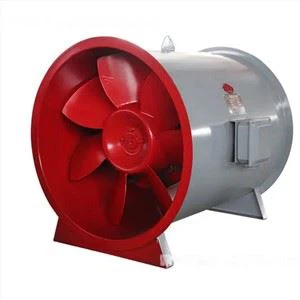
Hey there! As a supplier of Grain Conveying Fans, I've seen firsthand how crucial it is to pick the right impeller material. The impeller is like the heart of the fan, and its material can make or break the performance of your grain conveying system. So, let's dive into how you can choose the perfect impeller material for your needs.
Understanding the Basics of Impeller Materials
First off, you gotta know that different materials have different properties. The main factors you need to consider are durability, resistance to wear and tear, and cost. You don't want to overspend on a material that's too fancy for your simple grain - conveying setup, but you also don't want to go for the cheapest option that'll break down in no time.
Common Impeller Materials for Grain Conveying Fans
1. Steel
Steel is a classic choice for impellers. It's strong, durable, and can handle a lot of stress. Carbon steel is often used because it's relatively inexpensive and provides good strength. Stainless steel, on the other hand, is more corrosion - resistant. If your grain has a high moisture content or if the environment where the fan operates is humid, stainless steel might be a better option.
One of the advantages of steel impellers is that they can be easily fabricated into different shapes and sizes. This means you can get an impeller that's custom - made for your specific fan. However, steel is heavy, which can increase the energy consumption of the fan. Also, if not properly coated or maintained, carbon steel can rust.


2. Aluminum
Aluminum is lightweight, which is a big plus when it comes to reducing the energy consumption of the fan. It's also resistant to corrosion, especially in non - acidic environments. Aluminum impellers are often used in applications where weight is a concern, such as in portable grain conveying fans.
But aluminum is not as strong as steel. It can deform under high - stress conditions, so it might not be suitable for heavy - duty applications. Also, it's more expensive than carbon steel, so cost is a factor to consider.
3. Plastic
Plastic impellers are becoming more popular these days. They're lightweight, corrosion - resistant, and can be molded into complex shapes. They're also relatively inexpensive compared to steel and aluminum.
However, plastic has its limitations. It's not as strong as metal, and it can degrade over time when exposed to sunlight or certain chemicals. If your grain contains abrasive particles, plastic impellers might wear out quickly.
Factors to Consider When Choosing the Right Impeller Material
1. Grain Type
The type of grain you're conveying matters a lot. Some grains, like wheat or corn, are relatively smooth and don't cause much wear on the impeller. But grains with sharp edges or abrasive particles, like rice hulls, can quickly damage a less - durable impeller material. If you're dealing with abrasive grains, you'll want to choose a material like stainless steel or a high - strength plastic.
2. Operating Environment
The environment where the fan operates is another important factor. If the area is humid, you'll need a corrosion - resistant material like stainless steel or aluminum. If the fan is exposed to sunlight, plastic impellers might not be the best choice as they can degrade over time.
3. Fan Speed and Power
The speed and power of the fan also play a role in material selection. High - speed fans generate more stress on the impeller, so you'll need a stronger material like steel. Low - speed fans can often get away with using lighter materials like aluminum or plastic.
4. Cost
Let's face it, cost is always a consideration. You need to balance the performance of the impeller material with your budget. While stainless steel might be the best option in terms of durability and corrosion resistance, it's also more expensive. If you're on a tight budget, carbon steel or plastic might be more suitable.
Real - World Examples and Case Studies
Let me share a couple of real - world examples to illustrate how important impeller material selection is.
One of our customers was using a grain conveying fan with a carbon steel impeller in a humid environment. The impeller started to rust after a few months, which affected the performance of the fan. We recommended switching to a stainless - steel impeller, and the problem was solved. The new impeller lasted much longer and the fan worked more efficiently.
Another customer had a portable grain conveying fan that was too heavy to move around easily. We suggested replacing the steel impeller with an aluminum one. The fan became much lighter, and the energy consumption decreased. The customer was very happy with the improvement.
Related Products and Their Applications
If you're in the market for a grain conveying fan, you might also be interested in some of our other products. For example, our 4 - 72 Flue Gas Dust Removal Circulating Fan is great for applications where dust removal is required. It can handle high - volume airflows and is designed to be energy - efficient.
Our Experience Centrifugal Fan For Your HVAC System is another option. It's suitable for a wide range of applications, including grain conveying, and offers excellent performance.
And if you're involved in the mining industry, our Mining Machine 5 Fan can be a great addition to your equipment. It's designed to handle tough conditions and can provide reliable performance.
Conclusion and Call to Action
Choosing the right impeller material for your grain conveying fan is not a decision to be taken lightly. It can have a significant impact on the performance, durability, and cost of your fan. By considering factors like grain type, operating environment, fan speed, and cost, you can make an informed decision.
If you're still not sure which impeller material is right for you, don't hesitate to reach out. We're here to help you find the perfect solution for your grain conveying needs. Whether you need more information, a custom - made impeller, or a complete fan system, we've got you covered.
References
- Fan Engineering Handbook
- Materials Science for Mechanical Engineers
So, what are you waiting for? Contact us today to start the conversation about your grain conveying fan requirements.