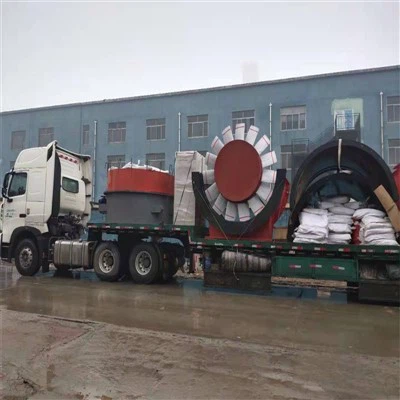
In the industrial landscape, material conveying fans play a pivotal role in numerous processes, from transporting bulk materials in manufacturing plants to handling grains in agricultural facilities. As a dedicated material conveying fan supplier, I understand the significance of optimizing the efficiency of these fans. This not only enhances productivity but also reduces operational costs and environmental impact. In this blog, I will share some practical strategies to improve the efficiency of a material conveying fan.
1. Proper Fan Selection
The first step in ensuring high - efficiency operation is to select the right fan for the specific application. Different materials have different characteristics such as density, particle size, and abrasiveness. For instance, when dealing with light and fine materials like flour, a fan with a lower pressure and higher airflow may be sufficient. On the other hand, for heavier materials such as coal or gravel, a fan with higher pressure capabilities is required.
Our Mining Machine 5 Fan is designed to handle a wide range of materials. It offers a balance between airflow and pressure, making it suitable for various material conveying tasks. When choosing a fan, it is essential to consider factors like the conveying distance, the number of bends in the ductwork, and the required throughput. A well - matched fan will operate closer to its peak efficiency point, consuming less energy and providing better performance.
2. Optimize Ductwork Design
The ductwork through which the material is conveyed has a significant impact on the fan's efficiency. A poorly designed duct system can cause excessive pressure losses, leading to increased energy consumption and reduced fan performance.
- Minimize Bends and Obstructions: Sharp bends and unnecessary obstructions in the ductwork create turbulence, which increases pressure drop. By using gentle curves and eliminating any unnecessary protrusions or fittings, the airflow can be made smoother. For example, using elbows with a large radius instead of right - angle elbows can reduce pressure losses significantly.
- Proper Sizing of Ducts: The diameter of the ductwork should be carefully selected based on the airflow requirements. If the ducts are too small, the air velocity will be too high, resulting in increased friction and pressure drop. Conversely, if the ducts are too large, the air velocity may be insufficient to carry the material, leading to material settling and blockages.
3. Regular Maintenance
Regular maintenance is crucial for keeping a material conveying fan operating at peak efficiency.
- Cleaning: Over time, dust and debris can accumulate on the fan blades, impellers, and in the ductwork. This buildup can disrupt the airflow and increase the fan's power consumption. Periodic cleaning of the fan components and ductwork can restore the proper airflow and improve efficiency. For example, using compressed air to blow out the dust from the impeller can be an effective cleaning method.
- Lubrication: Proper lubrication of the fan's bearings is essential to reduce friction and prevent premature wear. Bearings that are not lubricated correctly can overheat, leading to increased energy consumption and potential breakdowns. Follow the manufacturer's recommendations for lubrication intervals and use the appropriate lubricant.
- Inspection and Alignment: Regularly inspect the fan for any signs of wear, damage, or misalignment. Misaligned fans can cause vibration, which not only reduces efficiency but also shortens the lifespan of the fan components. Check the alignment of the motor and the fan shaft, and make adjustments as needed.
4. Control Systems
Implementing advanced control systems can significantly improve the efficiency of a material conveying fan.
- Variable Frequency Drives (VFDs): VFDs allow the fan's speed to be adjusted according to the actual demand. Instead of running the fan at a constant speed, which may be more than what is required at certain times, a VFD can reduce the fan speed when the material flow is low. This results in significant energy savings. For example, in a manufacturing plant where the material conveying requirements vary throughout the day, a VFD - controlled fan can adapt to these changes, consuming only the necessary amount of energy.
- Automated Monitoring and Control: Using sensors and automated control systems, the fan's performance can be continuously monitored. These systems can detect changes in airflow, pressure, and temperature and make real - time adjustments to optimize the fan's operation. For instance, if the pressure in the ductwork drops below a certain level, the control system can increase the fan speed to maintain the required airflow.
5. System Integration
Integrating the material conveying fan with other components of the production system can also improve overall efficiency.


- Coordination with Material Handling Equipment: Ensure that the fan is synchronized with other material handling equipment such as conveyors, hoppers, and silos. This coordination can prevent overloading or under - utilization of the fan. For example, if the conveyor is feeding material at a high rate, the fan should be able to handle the increased load without causing blockages.
- Energy Recovery: In some cases, it may be possible to recover energy from the material conveying process. For example, the kinetic energy of the material - laden air can be used to generate electricity or pre - heat other parts of the production system. This not only improves the energy efficiency of the fan but also the entire production process.
6. Training and Operator Awareness
The operators of the material conveying fan play a vital role in its efficient operation.
- Training Programs: Provide comprehensive training programs for the operators. They should be educated about the fan's operation, maintenance requirements, and safety procedures. A well - trained operator can identify potential problems early and take appropriate actions to prevent breakdowns and improve efficiency.
- Operator Awareness: Encourage operators to be aware of the fan's performance and to report any abnormalities immediately. Simple actions like monitoring the fan's power consumption, noise level, and vibration can provide valuable insights into its operation.
In conclusion, improving the efficiency of a material conveying fan requires a comprehensive approach that includes proper fan selection, optimized ductwork design, regular maintenance, advanced control systems, system integration, and operator training. As a material conveying fan supplier, we are committed to providing high - quality fans and supporting our customers in implementing these strategies.
If you are interested in improving the efficiency of your material conveying system or are looking for a reliable fan supplier, we invite you to contact us for procurement and further discussion. Our team of experts will be happy to assist you in finding the best solutions for your specific needs.
References
- ASHRAE Handbook of HVAC Systems and Equipment.
- Fan Engineering, Buffalo Forge Company.
- Industrial Ventilation: A Manual of Recommended Practice, American Conference of Governmental Industrial Hygienists.