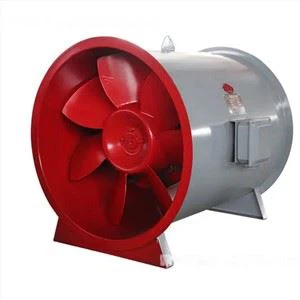
When it comes to industrial ventilation and air quality control, anti - corrosion fans play a pivotal role, especially in environments where corrosive gases, chemicals, or high humidity are present. As a leading anti - corrosion fan supplier, I often get asked the question: "How much does an anti - corrosion fan cost?" In this blog, I'll delve into the factors that influence the cost of anti - corrosion fans and provide you with a comprehensive understanding of the pricing landscape.


Factors Affecting the Cost of Anti - Corrosion Fans
1. Material Selection
The choice of materials is one of the most significant factors in determining the cost of an anti - corrosion fan. Different materials offer varying levels of corrosion resistance, durability, and performance.
- Fiberglass Reinforced Plastic (FRP): FRP is a popular choice for anti - corrosion fans due to its excellent corrosion resistance, lightweight, and relatively low cost. Fans made from FRP are suitable for a wide range of applications, including chemical processing plants, wastewater treatment facilities, and food processing industries. However, the cost of FRP fans can vary depending on the quality of the resin and the thickness of the fiberglass layers.
- Stainless Steel: Stainless steel is another common material used in anti - corrosion fans. It offers high strength, durability, and resistance to a variety of corrosive agents. There are different grades of stainless steel, such as 304 and 316, with 316 being more corrosion - resistant and generally more expensive. Stainless steel fans are often used in applications where a higher level of hygiene and corrosion resistance is required, such as pharmaceutical and semiconductor manufacturing.
- Polypropylene: Polypropylene is a thermoplastic polymer that is known for its chemical resistance and low cost. It is commonly used in small - to medium - sized anti - corrosion fans for applications such as laboratory ventilation and fume extraction. However, polypropylene has limitations in terms of temperature resistance and mechanical strength compared to FRP and stainless steel.
2. Fan Size and Capacity
The size and capacity of the anti - corrosion fan also have a significant impact on its cost. Larger fans with higher airflow rates and pressure capabilities generally cost more than smaller fans. The size of the fan is typically determined by the volume of air that needs to be moved and the static pressure required to overcome the resistance in the ventilation system.
- Airflow Rate: Measured in cubic feet per minute (CFM) or cubic meters per hour (m³/h), the airflow rate indicates the amount of air that the fan can move. Fans with higher airflow rates require larger motors and more robust construction, which increases the cost.
- Static Pressure: Static pressure is the resistance that the fan needs to overcome to move air through the ventilation system. Applications with high static pressure requirements, such as long duct runs or systems with multiple filters, require fans with more powerful motors and better aerodynamic designs. These fans are usually more expensive than those designed for low - pressure applications.
3. Design and Performance Features
The design and performance features of the anti - corrosion fan can also affect its cost. Fans with advanced features and technologies are generally more expensive than basic models.
- Motor Efficiency: Energy - efficient motors can significantly reduce the operating cost of the fan over its lifetime. However, these motors are often more expensive upfront. High - efficiency motors are typically designed to meet specific energy efficiency standards, such as the IE3 or NEMA Premium efficiency levels.
- Aerodynamic Design: Fans with optimized aerodynamic designs can provide higher airflow rates and lower noise levels. These designs often require more advanced engineering and manufacturing processes, which can increase the cost of the fan.
- Variable Speed Control: Variable speed control allows the fan to adjust its speed according to the actual demand, resulting in energy savings and better system control. Fans equipped with variable speed drives (VSDs) are more expensive than fixed - speed fans but offer greater flexibility and energy efficiency.
4. Customization and Special Requirements
In some cases, customers may require custom - designed anti - corrosion fans to meet specific application requirements. Customization can include changes to the fan's size, shape, material, or performance features. The cost of customization depends on the complexity of the requirements and the additional engineering and manufacturing work involved.
- Special Coatings: Some applications may require fans with special coatings to provide additional corrosion resistance or to meet specific industry standards. For example, fans used in the marine industry may need to be coated with a marine - grade paint to protect against saltwater corrosion.
- Explosion - Proof Design: In hazardous environments where there is a risk of explosion, anti - corrosion fans need to be designed to meet strict explosion - proof standards. These fans are more expensive due to the additional safety features and certifications required.
Cost Range of Anti - Corrosion Fans
The cost of anti - corrosion fans can vary widely depending on the factors mentioned above. As a general guideline, small - to medium - sized FRP fans with airflow rates ranging from 500 to 5000 CFM can cost anywhere from $500 to $5000. Larger FRP fans with higher airflow rates and more advanced features can cost upwards of $10,000.
Stainless steel fans are generally more expensive than FRP fans, with small - to medium - sized models starting at around $1000 and larger, high - performance models costing $15,000 or more. Polypropylene fans are the most affordable option, with prices typically ranging from $200 to $2000 for small - to medium - sized units.
It's important to note that these are just rough estimates, and the actual cost of an anti - corrosion fan will depend on the specific requirements of your application. To get an accurate quote, it's best to contact a reputable anti - corrosion fan supplier and provide them with detailed information about your ventilation needs.
Where to Find the Right Anti - Corrosion Fan
If you're in the market for an anti - corrosion fan, there are several options available. You can start by researching different suppliers online and comparing their products and prices. Look for suppliers with a good reputation, extensive experience in the industry, and a wide range of anti - corrosion fan options.
One option you might consider is the Ducted flue gas exhaust fan Fire fan. This fan is designed for specific applications and offers a combination of anti - corrosion properties and high - performance features.
Contact Us for a Quote
As an anti - corrosion fan supplier, I understand that choosing the right fan for your application can be a challenging task. That's why I'm here to help. Whether you need a small fan for a laboratory or a large, custom - designed fan for an industrial plant, I can provide you with the expertise and solutions you need.
If you're interested in learning more about our anti - corrosion fans or getting a quote, please don't hesitate to contact me. I'll be happy to discuss your requirements in detail and provide you with a competitive price. Let's work together to find the perfect anti - corrosion fan for your ventilation needs.
References
- ASHRAE Handbook - HVAC Systems and Equipment. American Society of Heating, Refrigerating and Air - Conditioning Engineers.
- Industrial Ventilation: A Manual of Recommended Practice. American Conference of Governmental Industrial Hygienists (ACGIH).
- Fan Engineering: The Application, Analysis, and Design of Fans. Buffalo Forge Company.