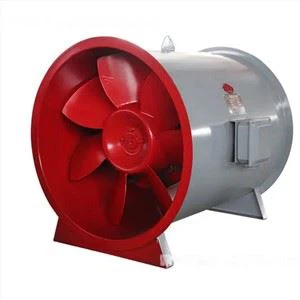
Hey there! As a supplier of wall axial fans, I often get asked if these fans can be installed on any type of wall. Well, the answer isn't as straightforward as you might think. In this blog post, I'll break down the factors you need to consider before installing a wall axial fan and whether it can be fitted on different wall types.
Understanding Wall Axial Fans
First off, let's quickly go over what wall axial fans are. These fans are designed to move air parallel to the axis of the fan blades. They're commonly used for ventilation in various settings like workshops, warehouses, and small commercial spaces. They're relatively compact and can be a cost - effective way to improve air circulation.
Factors Affecting Wall Installation
There are several key factors that determine whether a wall axial fan can be installed on a particular wall:
Wall Material
The material of the wall is a major consideration. Different wall materials have different structural properties, and not all can support the weight and vibration of a wall axial fan.
- Concrete Walls: Concrete is a very sturdy material. It can easily handle the weight and vibration of a wall axial fan. In fact, concrete walls are one of the best options for installing these fans. You can use heavy - duty anchors to securely attach the fan to the wall. The solid structure of concrete also helps in reducing noise and vibration transfer.
- Brick Walls: Brick walls are also quite strong. However, the type of bricks and the mortar used can vary. Older brick walls might have weaker mortar, which could make it a bit tricky to install the fan. But generally, with the right type of fasteners, such as masonry screws, a wall axial fan can be safely installed on a brick wall.
- Wooden Walls: Wooden walls can support a wall axial fan, but you need to be careful. The strength of the wood depends on its type and thickness. Softwoods might not be as reliable as hardwoods. Also, wooden walls can be more prone to damage from the vibration of the fan over time. You'll need to use appropriate wood screws and make sure to secure the fan to the wall studs for better support.
- Plasterboard or Drywall: These are the least suitable for wall axial fan installation. Plasterboard is relatively thin and not very strong. It can't handle the weight and vibration of the fan on its own. If you must install a fan on a plasterboard wall, you'll need to find the wall studs behind the plasterboard and attach the fan to them. Otherwise, the fan might pull out of the wall, causing damage.
Wall Thickness
The thickness of the wall also matters. A thicker wall can provide more stability for the fan. For example, if you're installing a large - sized wall axial fan, a thicker wall will be better able to support its weight. A very thin wall might not be able to hold the fan securely, increasing the risk of the fan falling off.
Wall Location
The location of the wall is another important factor. If the wall is in an area with high humidity, like a bathroom or a laundry room, you need to choose a fan that's suitable for such conditions. Some wall axial fans are designed to be moisture - resistant, which is crucial to prevent rust and damage to the fan. Also, if the wall is near a source of heat or chemicals, you'll need to select a fan that can withstand those environmental factors.


Can a Wall Axial Fan Be Installed on Any Wall?
Based on the above factors, it's clear that a wall axial fan can't be installed on just any type of wall. While it's possible to install it on concrete, brick, and some wooden walls with the right preparation and fasteners, it's extremely difficult and often not advisable to install it on plasterboard walls without proper support.
Our Wall Axial Fan Offerings
At our company, we offer a wide range of wall axial fans suitable for different wall types and applications. Whether you need a fan for a small workshop or a large commercial space, we've got you covered.
- The Steel Plant Sintering Centrifugal Main Exhaust Fan is a heavy - duty option that's great for industrial settings. It can be installed on strong concrete or brick walls to handle the high - volume air movement required in steel plants.
- The HTC Model Smoke Exhaust Axial Flow Ventilation Fan is perfect for areas where smoke exhaust is needed, like kitchens or workshops with welding operations. It can be installed on various wall types, but make sure the wall can support its weight.
- The Fire - Smoke Exhaust Axial Flow Fan HTC Model is designed for emergency situations. It's a reliable option for buildings where fire - safety ventilation is crucial. Again, proper wall installation is key to ensure its effectiveness.
Tips for Installation
If you're considering installing a wall axial fan, here are some tips:
- Check the Wall: Before you start, thoroughly inspect the wall for any signs of damage or weakness. If there are cracks or other issues, it's best to fix them before installing the fan.
- Use the Right Tools: Make sure you have the appropriate tools for the wall material. For example, if you're installing on a concrete wall, you'll need a hammer drill and heavy - duty anchors.
- Follow the Manufacturer's Instructions: Every wall axial fan comes with installation instructions. Make sure to follow them carefully to ensure a safe and proper installation.
Conclusion
So, to sum it up, a wall axial fan can't be installed on just any type of wall. You need to consider the wall material, thickness, and location before making a decision. As a supplier, we're here to help you choose the right fan for your specific wall and application. If you have any questions about wall axial fan installation or need help selecting the right fan, don't hesitate to get in touch with us. We're ready to assist you in making the best choice for your ventilation needs. Reach out to us today to start the conversation about your wall axial fan requirements and let's work together to find the perfect solution for you.
References
- Building Construction Handbook: Covers general information on different wall materials and their properties.
- Fan Installation Guides: Provided by various fan manufacturers for proper installation techniques.