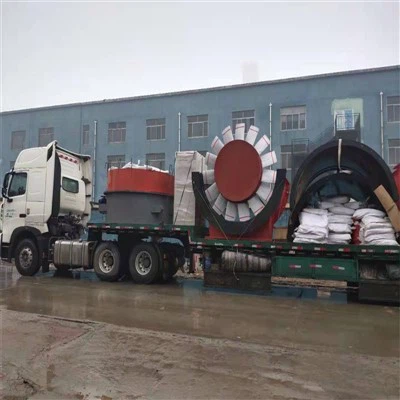
In the realm of mining operations, safety is paramount, and one of the most critical factors affecting safety is the gas concentration within the mine. A mine ventilation blower plays a pivotal role in controlling and managing this gas concentration. As a trusted Mine Ventilation Blower supplier, I have witnessed firsthand the significant impact these blowers have on mine safety and efficiency. In this blog, we will delve into the details of how a mine ventilation blower influences the gas concentration in a mine.
The Basics of Mine Gas and Its Dangers
Mines are often filled with various types of gases, some of which are extremely hazardous. Methane, for example, is a highly flammable gas that can form explosive mixtures when mixed with air in certain concentrations. Carbon monoxide is another deadly gas, odorless and colorless, which can cause asphyxiation even in low concentrations. Other gases such as carbon dioxide and hydrogen sulfide also pose risks to miners' health and safety.
High gas concentrations can lead to a range of problems, from minor health issues like headaches and dizziness to life - threatening situations such as explosions and asphyxiation. Therefore, maintaining a safe gas concentration is essential for the well - being of miners and the smooth operation of the mine.
How Mine Ventilation Blowers Work
A mine ventilation blower is designed to circulate air within the mine. It draws in fresh air from the outside and distributes it throughout the mine, while simultaneously removing the stale, gas - laden air. This continuous air circulation is crucial for diluting the gas concentration in the mine.
There are different types of mine ventilation blowers available, each with its own unique features and applications. For instance, the High - Effective Underground Ventilation Fan For Mines is specifically designed for use in underground mines. It is explosion - proof, which is a must - have feature in an environment where explosive gases may be present. This type of fan can efficiently move large volumes of air, ensuring that fresh air reaches every corner of the mine.
The Counter Rotating Mining Fan is another popular choice. It consists of two impellers rotating in opposite directions, which provides higher pressure and better airflow control. This allows for more precise regulation of the air circulation in the mine, which is beneficial for controlling gas concentration.
The Exhaust Fan for Mining is mainly used to expel the polluted air from the mine. It creates a negative pressure within the mine, which helps to draw out the gas - laden air and replace it with fresh air.
Impact on Gas Concentration
Dilution of Gases
The primary way a mine ventilation blower affects gas concentration is through dilution. By continuously introducing fresh air into the mine, the blower reduces the relative concentration of gases. For example, if the methane concentration in a particular area of the mine is high, the ventilation blower will bring in fresh air, which contains a negligible amount of methane. As the fresh air mixes with the methane - rich air, the overall methane concentration decreases.
The rate of dilution depends on several factors, including the volume of fresh air being introduced, the size of the mine, and the rate at which gases are being produced. A well - designed ventilation system with a powerful blower can quickly dilute the gas concentration to a safe level.
Gas Removal
In addition to dilution, mine ventilation blowers also help in removing gases from the mine. The exhaust fans, in particular, play a crucial role in this process. They draw the gas - laden air out of the mine and expel it into the atmosphere. This direct removal of gases helps to keep the gas concentration in the mine under control.
The efficiency of gas removal depends on the airflow rate and the design of the ventilation system. A ventilation system that is properly configured can ensure that the gases are quickly and effectively removed from the mine, reducing the risk of gas - related accidents.
Airflow Distribution
Proper airflow distribution is essential for maintaining a uniform gas concentration throughout the mine. A mine ventilation blower can be used to create a well - organized airflow pattern. By directing the fresh air to areas where gas concentrations are likely to be high, such as near the mining face or in areas with poor natural ventilation, the blower can prevent the accumulation of gases.
For example, in a long and narrow mine tunnel, the ventilation blower can be adjusted to provide a strong airflow along the tunnel, ensuring that fresh air reaches the far end and that any gases are carried away. This helps to maintain a consistent and safe gas concentration throughout the tunnel.
Factors Affecting the Performance of Mine Ventilation Blowers
Blower Capacity
The capacity of the ventilation blower, which is usually measured in cubic feet per minute (CFM) or cubic meters per second (m³/s), is a crucial factor. A blower with a higher capacity can move more air, which means it can dilute and remove gases more effectively. When selecting a blower for a mine, it is important to consider the size of the mine, the expected gas production rate, and the required airflow rate to maintain a safe gas concentration.
System Design
The design of the ventilation system also has a significant impact on the performance of the blower. A well - designed system will take into account the layout of the mine, the location of the mining operations, and the natural ventilation characteristics of the area. For example, the ducts used to distribute the air should be properly sized and installed to minimize airflow resistance. The placement of the blowers and exhaust fans should also be carefully planned to ensure optimal airflow distribution.


Maintenance
Regular maintenance of the mine ventilation blower is essential for its proper functioning. Over time, the blower's components may wear out, and the performance may degrade. Dust and debris can accumulate on the impellers, reducing the airflow rate. Therefore, it is important to conduct regular inspections, cleanings, and repairs to keep the blower in good working condition.
Conclusion
In conclusion, a mine ventilation blower has a profound impact on the gas concentration in a mine. It helps to dilute the gases, remove them from the mine, and ensure proper airflow distribution. By maintaining a safe gas concentration, the ventilation blower plays a crucial role in protecting the health and safety of miners and ensuring the efficient operation of the mine.
As a Mine Ventilation Blower supplier, we are committed to providing high - quality ventilation solutions for mines. Our range of products, including the High - Effective Underground Ventilation Fan For Mines, Counter Rotating Mining Fan, and Exhaust Fan for Mining, are designed to meet the diverse needs of different mines.
If you are in the mining industry and are looking for reliable ventilation solutions to control the gas concentration in your mine, we invite you to contact us for a detailed discussion. Our team of experts will be happy to assist you in selecting the most suitable ventilation blower for your specific requirements.
References
- Li, X., & Wang, Y. (2018). Research on the ventilation system optimization of coal mines based on CFD simulation. Journal of Mining Science, 54(4), 567 - 575.
- Smith, J. D. (2019). Mine ventilation engineering: Principles and applications. CRC Press.
- Zhang, H., & Zhao, Y. (2020). A review of mine ventilation safety management and control technology. Safety Science, 127, 104773.