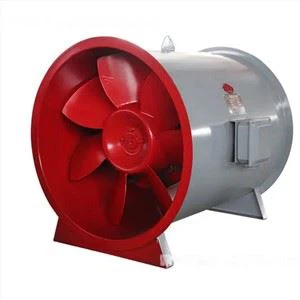
Highway tunnels are crucial components of modern transportation infrastructure, ensuring smooth traffic flow and efficient connectivity. However, the operation of fans in these tunnels generates noise, which can have adverse effects on the surrounding environment, nearby residents, and tunnel users. As a leading Highway Tunnel Fan supplier, we understand the importance of addressing this issue and have developed a range of effective noise - reduction measures.
Understanding the Noise Sources of Highway Tunnel Fans
Before delving into the noise - reduction measures, it is essential to understand the sources of noise generated by highway tunnel fans. The primary sources of noise include aerodynamic noise, mechanical noise, and electromagnetic noise.
Aerodynamic noise is produced when the air flows through the fan blades. The interaction between the air and the blades creates pressure fluctuations, which in turn generate sound waves. The intensity of aerodynamic noise depends on factors such as the fan's rotational speed, blade shape, and air flow rate.
Mechanical noise is caused by the vibration of the fan's mechanical components, such as the motor, bearings, and shafts. Poor alignment, imbalance, and wear and tear of these components can increase the level of mechanical noise.
Electromagnetic noise is generated by the electrical currents in the motor's windings. The magnetic fields produced by these currents can cause the motor to vibrate and generate noise.
Aerodynamic Design Optimization
One of the most effective ways to reduce the noise of highway tunnel fans is through aerodynamic design optimization. By carefully designing the fan blades, we can minimize the pressure fluctuations and turbulence in the air flow, thereby reducing aerodynamic noise.
We use advanced computational fluid dynamics (CFD) software to simulate the air flow around the fan blades and optimize their shape. The blades are designed with a smooth and streamlined profile to reduce the drag force and improve the efficiency of the fan. Additionally, the blade angle and pitch are carefully adjusted to ensure uniform air flow distribution and reduce the formation of vortices.
For example, our Tunnel One Way Jet Fan features a unique blade design that has been optimized through extensive CFD simulations. This design not only reduces the aerodynamic noise but also improves the thrust performance of the fan, making it ideal for long - distance ventilation in highway tunnels.
Sound - Absorbing Materials
Another important noise - reduction measure is the use of sound - absorbing materials. These materials can be installed inside the fan housing and the tunnel walls to absorb the sound waves and reduce the noise level.
We use high - quality sound - absorbing materials, such as fiberglass wool and polyurethane foam, which have excellent sound - absorption properties. These materials are installed in a way that maximizes their contact with the sound waves, ensuring effective noise reduction.
For instance, the interior of our fan housing is lined with a layer of fiberglass wool, which can absorb a significant amount of the noise generated by the fan. In addition, we can also provide sound - absorbing panels for installation on the tunnel walls, which can further reduce the reverberation and reflection of sound waves in the tunnel.
Vibration Isolation
Vibration isolation is crucial for reducing mechanical noise. By isolating the fan from its supporting structure, we can prevent the transmission of vibrations and reduce the noise level.
We use vibration isolators, such as rubber mounts and spring isolators, to separate the fan from the tunnel floor or ceiling. These isolators can absorb the vibrations generated by the fan and prevent them from being transferred to the surrounding structure.
In addition, we ensure that the fan is properly installed and balanced to minimize the vibration. Our technicians use advanced balancing equipment to ensure that the fan rotates smoothly and without excessive vibration.
Motor and Electrical System Design
The design of the motor and electrical system also plays an important role in noise reduction. We use high - quality motors with low - noise characteristics and advanced electrical control systems to reduce the electromagnetic noise.
Our motors are designed with low - harmonic windings and high - quality magnetic materials to minimize the electromagnetic interference. In addition, the electrical control system is equipped with filters and shielding to reduce the electrical noise.


For example, our SDS Series Bidirectional Tunnel Fan uses a state - of - the - art motor and electrical control system, which not only reduces the noise but also improves the energy efficiency and reliability of the fan.
Regular Maintenance
Regular maintenance is essential for ensuring the long - term performance of the noise - reduction measures. We recommend that our customers conduct regular inspections and maintenance of the fans to ensure that they are operating at their optimal level.
During the maintenance process, our technicians will check the condition of the fan blades, sound - absorbing materials, vibration isolators, and electrical components. They will also clean the fan and replace any worn - out parts to ensure that the fan continues to operate quietly and efficiently.
Noise - Reduction for Special Applications
In some cases, such as tunnels near residential areas or sensitive environmental zones, more stringent noise - reduction requirements may apply. For these special applications, we can provide customized solutions to meet the specific needs of our customers.
For example, we can design a fully enclosed fan system with additional sound - proofing measures. This system can significantly reduce the noise level and minimize the impact on the surrounding environment.
In addition, we can also provide a remote monitoring and control system for the fans. This system allows our customers to monitor the noise level and operating parameters of the fans in real - time and make adjustments as needed.
Conclusion
As a Highway Tunnel Fan supplier, we are committed to providing high - quality fans with effective noise - reduction measures. Through aerodynamic design optimization, the use of sound - absorbing materials, vibration isolation, motor and electrical system design, regular maintenance, and customized solutions for special applications, we can ensure that our fans operate quietly and efficiently, minimizing the impact on the surrounding environment.
If you are interested in our highway tunnel fans and want to learn more about our noise - reduction solutions, or if you have any specific requirements for your tunnel project, please feel free to contact us for procurement and negotiation. We look forward to working with you to create a quiet and safe tunnel environment.
References
- Cumpsty, N. A. (2004). Compressor Aerodynamics. Krieger Publishing Company.
- Beranek, L. L., & Ver, I. L. (1992). Noise and Vibration Control Engineering: Principles and Applications. John Wiley & Sons.
- ASHRAE Handbook - HVAC Systems and Equipment. American Society of Heating, Refrigerating and Air - Conditioning Engineers.