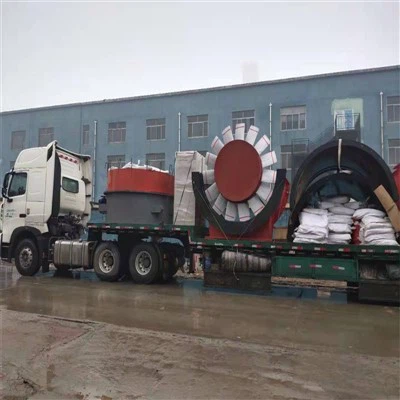
Hey there! If you're in the market for a sawdust conveyor fan, you've come to the right place. As a seasoned sawdust conveyor fan supplier, I'm here to shed some light on the installation requirements. Trust me, getting these right is crucial for ensuring that your fan works at its best and keeps your sawdust - handling operations running smoothly.
Location and Space
First off, let's talk about where you should put this bad boy. You need a well - ventilated area. Sawdust can be a real fire hazard, so placing the fan in a spot with good airflow helps reduce the risk of sawdust buildup and potential ignition. Make sure there's enough space around the fan for maintenance and inspection. You don't want to be struggling to get at it when it needs a little TLC.
The location should also be flat and stable. Uneven ground can cause vibrations, which not only shorten the lifespan of your fan but can also lead to noise issues. If you're installing it indoors, pick a spot away from high - traffic areas. You don't want workers constantly bumping into it, and it's also safer from accidental damage.
Electrical Requirements
Now, onto the electrical side of things. You must ensure that the power supply matches the fan's specifications. Check the voltage, frequency, and amperage requirements. Using the wrong power supply can fry your fan or, even worse, pose a safety risk.
It's a good idea to have a dedicated circuit for the sawdust conveyor fan. This helps prevent overloading and ensures that your fan gets the consistent power it needs. Also, make sure all electrical connections are properly grounded. This is non - negotiable for safety reasons. Faulty grounding can lead to electrical shocks and other hazards.
Ductwork Installation
The ductwork is like the veins of your sawdust conveyor system. It needs to be installed correctly to ensure efficient sawdust transport. The ducts should be the right diameter for the fan. If they're too small, it can restrict airflow, and if they're too big, the air velocity might not be enough to carry the sawdust.
Seal all the joints in the ductwork properly. Leaky ducts can lead to sawdust escaping into the environment, which is not only messy but can also cause health issues for your workers. You can use duct tape or other appropriate sealing materials.
When it comes to the layout of the ducts, try to keep the bends and turns to a minimum. Sharp bends can cause sawdust to accumulate and reduce the efficiency of the system. If you do need bends, use gentle curves instead.
Mounting and Support
Proper mounting is key to the performance of your sawdust conveyor fan. Follow the manufacturer's instructions carefully for mounting. Most fans come with a set of brackets or a mounting plate. Make sure these are securely attached to a solid surface.
If you're mounting the fan vertically, ensure that it's properly supported to prevent it from tipping over. You might need additional support structures depending on the size and weight of the fan. Horizontal mounts should also be stable, with all fasteners tightened properly.
Noise and Vibration Mitigation
Sawdust conveyor fans can be noisy, and the vibrations can cause problems for nearby equipment and structures. To reduce noise, you can use sound - absorbing materials around the fan. There are special acoustic blankets and panels available that can help dampen the sound.
For vibration control, you can use vibration isolators. These are rubber or spring - based devices that can be installed between the fan and its mounting surface. They absorb the vibrations and prevent them from being transferred to the surrounding area.
Compatibility with Other Equipment
Your sawdust conveyor fan might need to work in conjunction with other equipment, such as dust collectors or saws. Make sure it's compatible with these systems. The airflow rate and pressure of the fan should match the requirements of the other equipment.
For example, if your dust collector needs a certain amount of airflow to function effectively, your fan should be able to provide it. Mismatched equipment can lead to poor performance and increased wear and tear on the components.
Safety Features
Don't forget about safety features. A good sawdust conveyor fan should have a safety switch that can be easily accessed in case of an emergency. It should also have guards on the moving parts to prevent accidental contact.
Regularly inspect these safety features to ensure they're in good working condition. Faulty safety features can put your workers at risk, and it's not worth taking chances when it comes to workplace safety.


Maintenance Accessibility
Lastly, think about maintenance. You'll need to clean the fan regularly to prevent sawdust buildup, and you might need to replace parts from time to time. So, make sure there are easy - to - remove panels or access points on the fan.
The location of the fan should also allow for easy removal and replacement of components. You don't want to have to disassemble half of your workshop just to change a belt or a filter.
If you're looking for other types of fans for different applications, we also offer the Building Fire Smoke Exhaust Fan, the 4 - 72 Flue Gas Dust Removal Circulating Fan, and the Mining Machine 5 Fan.
If you're interested in our sawdust conveyor fans or any of our other products, I'd love to hear from you. Feel free to reach out for a detailed discussion about your requirements, pricing, and installation support. We're here to make sure you get the right fan for your needs and that it's installed and running perfectly.
References
- Fan Installation Guidebook - XYZ Industry Standards
- Safety Regulations for Industrial Fans - Occupational Safety Council
- Ductwork Design Manual - Airflow Engineering Institute