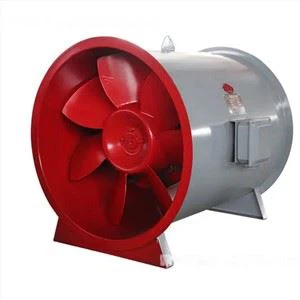
Troubleshooting a Local Air Supply Fan that is not working can be a daunting task, but with the right approach, it can be resolved efficiently. As a supplier of Local Air Supply Fans, I have encountered various issues over the years and have developed a systematic way to diagnose and fix these problems. In this blog, I will share some of the common causes and solutions for a non - working local air supply fan.
1. Power - related Issues
One of the most common reasons for a local air supply fan not working is a power problem. First, check if the fan is properly plugged into a power source. Sometimes, the plug may have come loose due to vibrations or accidental bumps. Make sure the socket is functioning by plugging in another device. If the socket works, but the fan still doesn't start, there could be an issue with the power cord. Inspect the cord for any visible signs of damage, such as cuts or frayed wires. A damaged cord can disrupt the flow of electricity to the fan.
If the power cord seems fine, the next step is to check the circuit breaker or fuse related to the fan. A tripped circuit breaker or a blown fuse can cut off the power supply. Reset the circuit breaker if it has tripped, or replace the fuse with one of the same rating. If the breaker trips again immediately or the new fuse blows right away, there may be a more serious electrical problem within the fan, such as a short circuit.
2. Motor Problems
The motor is the heart of the local air supply fan, and issues with it can prevent the fan from working. Over time, the motor bearings can wear out. Worn - out bearings cause excessive friction, which can make the motor overheat and eventually stop working. You can often detect this problem by listening for unusual noises, such as grinding or squealing, when you try to start the fan. If you suspect worn - out bearings, it may be necessary to replace them. However, this is a more complex repair and may require professional assistance.
Another motor - related issue could be a burnt - out motor. This can happen due to overheating caused by blocked air intake or overloading. If the motor has burnt out, it will need to be replaced. When replacing the motor, make sure to choose one that is compatible with your specific fan model. You can refer to the fan's user manual or contact our technical support team for guidance.


3. Fan Blade Obstructions
Obstructions in the fan blades can also cause the local air supply fan to stop working. Check if there are any foreign objects, such as dust, debris, or small items, stuck between the blades. These obstructions can prevent the blades from rotating freely, putting extra strain on the motor. Use a soft brush or compressed air to clean the blades and remove any debris. Be careful not to damage the blades during the cleaning process.
In some cases, the fan blades may be bent or damaged. Bent blades can cause an imbalance, which can lead to increased vibration and eventually stop the fan. If you notice bent blades, you may need to replace them. Our company offers a wide range of replacement parts, including fan blades, for Kruger Ventilation Fan.
4. Control Panel and Switch Issues
The control panel and switch are used to operate the local air supply fan. If the fan is not responding to the controls, there may be an issue with the control panel or switch. Check if the switch is in the correct position and functioning properly. Sometimes, the switch contacts can become dirty or worn out, preventing the flow of electricity. You can try cleaning the switch contacts with a contact cleaner.
If the problem persists, there could be an issue with the control panel itself. The control panel may have a malfunctioning circuit board or a faulty component. In such cases, it is recommended to contact our technical support team for further diagnosis and repair.
5. Belt and Pulley Problems
For fans that use belts and pulleys to transfer power from the motor to the blades, belt and pulley issues can cause the fan to stop working. Check the belt for signs of wear, such as cracks or fraying. A worn - out belt may slip on the pulleys, reducing the efficiency of the power transfer. If the belt is worn, replace it with a new one of the correct size and type.
Also, inspect the pulleys for any damage or misalignment. Misaligned pulleys can cause the belt to wear out quickly and may prevent the fan from operating smoothly. Adjust the pulleys if necessary to ensure proper alignment.
6. Airflow and Ductwork Issues
Problems with the airflow and ductwork can also affect the performance of the local air supply fan. Check if the air intake or exhaust ducts are blocked. Blocked ducts can restrict the airflow, causing the fan to work harder and potentially overheat. Clear any obstructions in the ducts, such as dirt, dust, or debris.
In addition, check the ductwork for leaks. Leaky ducts can reduce the efficiency of the fan by allowing air to escape. Seal any leaks in the ductwork using duct tape or a suitable sealing material.
7. Environmental Factors
Environmental factors can also impact the operation of the local air supply fan. High humidity can cause corrosion of the fan components, especially the motor and electrical parts. If the fan is installed in a humid environment, consider using a dehumidifier or taking other measures to reduce the humidity.
Extreme temperatures can also affect the performance of the fan. In very cold temperatures, the lubricants in the motor bearings may thicken, causing increased friction. In very hot temperatures, the motor may overheat more easily. Make sure the fan is installed in an environment with appropriate temperature and humidity levels.
Conclusion
Troubleshooting a non - working local air supply fan requires a systematic approach. By checking the power supply, motor, fan blades, control panel, belt and pulleys, airflow and ductwork, and environmental factors, you can identify and resolve most common problems. If you are still unable to fix the issue, our team of experts is here to help. We offer a wide range of Underground Ventilation Fans and Extraction - type Local Ventilator Under the Mine, as well as replacement parts and professional repair services.
If you are experiencing problems with your local air supply fan or are interested in purchasing a new one, please don't hesitate to contact us for further assistance. We are committed to providing high - quality products and excellent customer service.
References
- Fan Installation and Maintenance Manuals
- Electrical Engineering Textbooks on Motor Troubleshooting
- HVAC System Design and Troubleshooting Guides