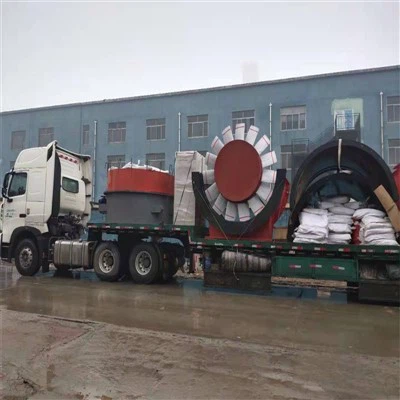
As a trusted supplier of Material Conveying Fans, I understand the challenges that high noise levels can pose in industrial settings. Excessive noise not only affects the working environment but can also lead to compliance issues with noise regulations. In this blog, I'll share some effective strategies to reduce the noise of a Material Conveying Fan, drawing on my experience in the industry.
Understanding the Sources of Noise in Material Conveying Fans
Before we delve into the solutions, it's crucial to understand where the noise in Material Conveying Fans comes from. There are several primary sources:


- Aerodynamic Noise: This is caused by the interaction between the fan blades and the air. When the air flow is turbulent, it creates pressure fluctuations that result in noise. High - speed fans are particularly prone to aerodynamic noise.
- Mechanical Noise: It stems from the moving parts of the fan, such as the motor, bearings, and belts. Worn - out bearings or misaligned belts can generate significant mechanical noise.
- Vibration Noise: Fans can vibrate due to unbalanced rotating parts or improper installation. These vibrations are transferred to the surrounding structures and can produce loud noise.
Aerodynamic Noise Reduction
Optimize Fan Design
The design of the fan plays a vital role in reducing aerodynamic noise. A well - designed fan blade can minimize turbulence and pressure fluctuations. For example, backward - curved blades are known to be more aerodynamically efficient and produce less noise compared to forward - curved blades. They can provide a smooth air flow, reducing the generation of noise.
Adjust Fan Speed
One of the simplest ways to reduce aerodynamic noise is to lower the fan speed. According to the fan laws, the noise level is proportional to the fifth power of the fan speed. A small reduction in speed can lead to a significant decrease in noise. However, it's important to ensure that the reduced speed still meets the material conveying requirements. Advanced variable frequency drives (VFDs) can be used to adjust the fan speed precisely. By using a VFD, you can match the fan speed to the actual demand, reducing both energy consumption and noise.
Improve Inlet and Outlet Conditions
The conditions at the inlet and outlet of the fan can also affect noise levels. A smooth and unobstructed inlet can prevent the formation of turbulent air flow. Installing an inlet guide vane can help to straighten the air flow before it enters the fan, reducing noise. Similarly, at the outlet, proper ductwork design is essential. Avoid sharp bends and sudden expansions or contractions in the duct, as these can cause turbulence and increase noise. A well - designed diffuser at the outlet can gradually expand the air flow, reducing velocity and noise.
Mechanical Noise Reduction
Regular Maintenance
Regular maintenance is key to reducing mechanical noise. Check the motor, bearings, and belts regularly for wear and tear. Replace worn - out bearings promptly, as they can generate a high - pitched noise when they start to fail. Lubricate the bearings according to the manufacturer's recommendations to ensure smooth operation. Also, check the tension of the belts and realign them if necessary. Loose or misaligned belts can cause rattling and squeaking noises.
Use High - Quality Components
Investing in high - quality components can significantly reduce mechanical noise. For example, a high - efficiency motor with low vibration and noise characteristics can make a big difference. Premium bearings are designed to operate quietly and have a longer service life. Although high - quality components may have a higher upfront cost, they can save money in the long run by reducing maintenance and replacement costs.
Vibration Noise Reduction
Proper Installation
Proper installation is crucial to prevent vibration noise. The fan should be installed on a stable and level foundation. Use vibration isolation mounts to separate the fan from the surrounding structures. These mounts can absorb the vibrations generated by the fan and prevent them from being transferred to the building. Make sure the fan is properly aligned during installation. Misalignment can cause excessive vibration and noise.
Balance Rotating Parts
Unbalanced rotating parts are a major cause of vibration noise. Regularly balance the fan impeller to ensure smooth operation. This can be done using specialized balancing equipment. A balanced impeller rotates evenly, reducing vibration and noise.
Additional Noise Reduction Measures
Install Noise Enclosures
A noise enclosure is a physical barrier that surrounds the fan to reduce the noise transmitted to the surrounding environment. The enclosure can be made of sound - absorbing materials, such as fiberglass or acoustic foam. It can significantly reduce the noise level, especially in areas where strict noise regulations apply. However, it's important to ensure that the enclosure does not restrict the air flow or cause overheating of the fan.
Use Sound - Absorbing Materials
In addition to noise enclosures, sound - absorbing materials can be used in the surrounding area. Line the walls and ceilings of the fan room with acoustic panels. These panels can absorb the sound waves, reducing the overall noise level in the room. They are particularly effective in reducing reverberant noise.
Case Studies and Product Recommendations
In our experience, different types of fans may require different noise reduction strategies. For example, the Mining Machine 5 Fan is widely used in mining applications. By optimizing its design and using advanced noise reduction techniques, we have been able to reduce its noise level significantly, making it more suitable for the working environment.
The 4 - 72 Flue Gas Dust Removal Circulating Fan is another popular product. Through regular maintenance and proper installation, customers have reported a noticeable reduction in noise.
For those looking for a low - noise option, the 22 kW Industrial Turbo Blower – Low Noise is an excellent choice. It is designed with advanced noise reduction features, such as backward - curved blades and a well - balanced impeller, to provide quiet operation.
Conclusion
Reducing the noise of a Material Conveying Fan is a multi - faceted process that involves understanding the sources of noise and implementing appropriate strategies. By optimizing aerodynamic design, performing regular maintenance, and taking measures to reduce vibration, you can significantly reduce the noise level of your fan. This not only improves the working environment but also helps to meet noise regulations.
If you are facing noise issues with your Material Conveying Fan or are interested in our noise - reducing products, we invite you to contact us for a detailed consultation. Our team of experts is ready to assist you in finding the best solution for your specific needs.
References
- "Fan Engineering: The Application, Selection, and Testing of Fans", Fourth Edition, Buffalo Forge Company
- "Industrial Noise Control and Acoustics", Second Edition, Craig A. Nelson