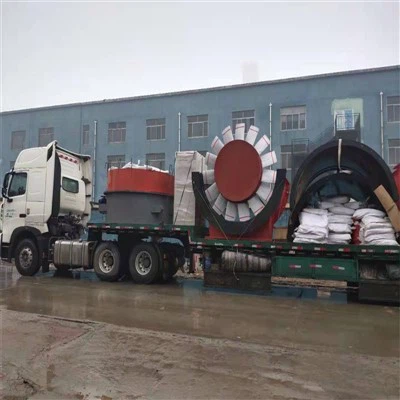
In power plants, roof axial flow fans play a crucial role in ventilation and heat dissipation. However, these fans are often exposed to the risk of lightning strikes, which can cause significant damage to the equipment and disrupt the normal operation of the power plant. As a reliable supplier of roof axial flow fans, we understand the importance of protecting these fans from lightning strikes. In this blog, we will discuss some effective methods to safeguard roof axial flow fans in power plants from lightning damage.
Understanding the Lightning Threat
Lightning is a natural electrical discharge that occurs during thunderstorms. When a lightning strike hits a power plant, it can generate a large amount of electrical energy that can travel through the electrical system and damage sensitive equipment such as roof axial flow fans. The high - voltage surge caused by lightning can fry electronic components, burn out motors, and even cause physical damage to the fan structure.
1. Lightning Protection System Installation
One of the most fundamental ways to protect roof axial flow fans from lightning strikes is to install a comprehensive lightning protection system. This system typically consists of lightning rods, down conductors, and grounding electrodes.
Lightning rods are installed at the highest points of the power plant building, including the area where the roof axial flow fans are located. Their purpose is to attract lightning strikes and provide a low - resistance path for the lightning current to flow safely to the ground. When a lightning strike occurs, the lightning rod intercepts the lightning and channels the electrical energy through the down conductors to the grounding electrodes.
Down conductors are metal cables that connect the lightning rods to the grounding electrodes. They should be made of materials with high conductivity, such as copper or aluminum, and should be installed in a straight and unobstructed manner to minimize resistance.
Grounding electrodes are buried in the ground and are designed to dissipate the lightning current into the earth. The grounding resistance should be kept as low as possible, usually less than 10 ohms, to ensure effective lightning protection. Regular testing of the grounding resistance is necessary to ensure its proper functioning.
2. Surge Protection Devices
In addition to the lightning protection system, surge protection devices (SPDs) should be installed in the electrical circuits of the roof axial flow fans. SPDs are designed to protect electrical equipment from voltage surges caused by lightning strikes or other electrical disturbances.
There are different types of SPDs, including Type 1, Type 2, and Type 3. Type 1 SPDs are used for the main electrical entrance of the power plant and can handle high - energy surges. Type 2 SPDs are installed at the distribution boards and can protect against medium - energy surges. Type 3 SPDs are used close to the electrical equipment, such as the motor of the roof axial flow fan, to provide fine - protection against low - energy surges.

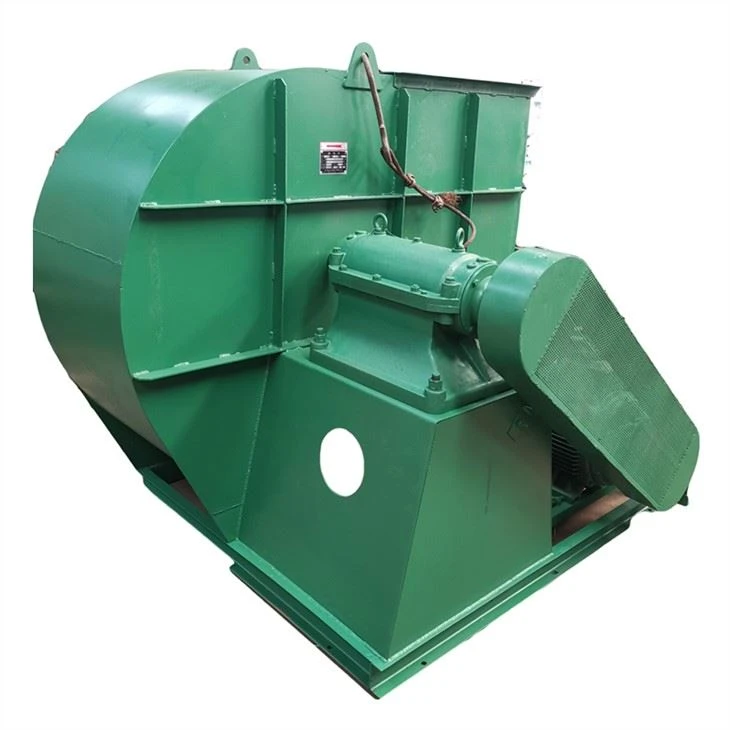
When selecting SPDs for roof axial flow fans, it is important to choose devices with appropriate voltage ratings and energy - handling capabilities. The SPDs should be installed in accordance with the manufacturer's instructions and should be regularly inspected and maintained to ensure their effectiveness.
3. Proper Installation and Grounding of the Fan
The proper installation and grounding of the roof axial flow fan itself are also essential for lightning protection. The fan should be installed on a stable and well - grounded platform. The metal frame of the fan should be connected to the grounding system of the power plant to provide a path for any static electricity or induced currents to flow safely to the ground.
During the installation process, all electrical connections should be carefully made and tightened to prevent loose connections, which can cause arcing and increase the risk of damage during a lightning strike. The wiring should be protected by conduit or cable trays to prevent physical damage and to reduce the exposure to lightning - induced electromagnetic fields.
4. Electrical Isolation
Electrical isolation is another important measure to protect roof axial flow fans from lightning - induced damage. Isolation transformers can be installed between the power source and the fan motor to provide electrical isolation. These transformers can block the transfer of high - voltage surges from the power grid to the fan motor, reducing the risk of damage.
In addition, using insulated cables and connectors can also help to isolate the electrical circuits of the fan from external electrical interference. Insulated materials can prevent the flow of electrical current through unintended paths, which is especially important during a lightning strike.
5. Regular Inspection and Maintenance
Regular inspection and maintenance of the roof axial flow fans and their associated lightning protection systems are crucial to ensure their long - term reliability. Inspections should be carried out at least once a year, preferably before the start of the thunderstorm season.
During the inspection, the lightning rods, down conductors, and grounding electrodes should be checked for physical damage, corrosion, and loose connections. Any damaged or corroded components should be replaced immediately. The grounding resistance should be measured to ensure that it is within the acceptable range.
The surge protection devices should also be inspected for signs of damage or malfunction. If an SPD has been triggered by a surge, it should be replaced to ensure continuous protection. The electrical connections and wiring of the roof axial flow fans should be inspected for any signs of wear, damage, or loose connections.
6. Monitoring and Early Warning Systems
Advanced monitoring and early warning systems can be installed to provide real - time information about the lightning activity in the vicinity of the power plant. These systems use lightning detectors to detect the occurrence and location of lightning strikes. When a lightning strike is detected within a certain range, an alarm can be issued, allowing the power plant operators to take preventive measures, such as shutting down non - essential equipment, including the roof axial flow fans, to reduce the risk of damage.
Some monitoring systems can also provide data on the intensity and frequency of lightning strikes, which can be used for long - term analysis and to optimize the lightning protection measures.
As a leading supplier of roof axial flow fans, we offer a wide range of high - quality fans suitable for power plant applications. Our products are designed to meet the highest standards of performance and reliability. We also provide professional advice on lightning protection and other related issues to ensure the safe and efficient operation of our fans.
If you are interested in our Industrial Roof Ventilation Fan | Mushroom Air Extractor for Factories, Booster Fan Duct Booster Fan, or Exhaust Fan Roof Air Vent Fan Manufacturer, or if you have any questions about protecting roof axial flow fans from lightning strikes, please feel free to contact us for further information and to discuss your specific requirements. We are committed to providing you with the best solutions for your ventilation needs.
References
- National Fire Protection Association (NFPA). NFPA 780: Standard for the Installation of Lightning Protection Systems.
- International Electrotechnical Commission (IEC). IEC 61643 - 1: Low - voltage surge protective devices - Part 1: Surge protective devices connected to low - voltage power distribution systems - Requirements and tests.
- IEEE Standards Association. IEEE Std 142 - 2007: IEEE Recommended Practice for Grounding of Industrial and Commercial Power Systems.