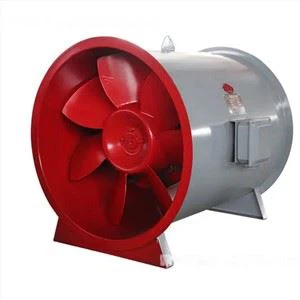
Hey there! As a supplier of Subway Tunnel Fans, I've seen firsthand how these fans play a crucial role in the subway system. Today, I wanna talk about how a subway tunnel fan affects the energy consumption of the entire subway system.
First off, let's understand the basic functions of subway tunnel fans. These fans are responsible for maintaining proper ventilation in the subway tunnels. They help remove heat, moisture, and pollutants, and ensure a comfortable and safe environment for passengers and staff. There are different types of fans used in subway systems, like the Subway Wind Fan, Axial Flow Smoke Exhaust Fan For Tunnels, and SDS Series Explosion Proof Jet Fan For Tunnels. Each type has its own unique features and is designed for specific purposes.
Now, let's dig into how these fans impact energy consumption. One of the main factors is the fan's power rating. Fans with higher power ratings generally consume more energy. However, it's not as simple as just choosing a low - power fan. The fan needs to be powerful enough to meet the ventilation requirements of the subway tunnel. If the fan is under - powered, it won't be able to effectively remove heat and pollutants, which can lead to other problems and potentially higher overall energy consumption.
For example, if the fan can't keep the tunnel temperature in check, the air - conditioning systems in the subway stations and trains may have to work harder to compensate. This means more energy is being used by these additional systems, which can quickly add up. On the other hand, an over - powered fan will waste energy by using more power than necessary to achieve the required ventilation.
Another important aspect is the fan's efficiency. A more efficient fan can achieve the same ventilation results with less energy. Newer fan models often come with advanced technologies that improve their efficiency. For instance, some fans use variable speed drives (VSDs). These drives allow the fan to adjust its speed according to the actual ventilation needs. During off - peak hours when there are fewer trains and passengers in the subway, the fan can run at a lower speed, consuming less energy. But when there's a higher demand for ventilation, like during rush hours, the fan can speed up to meet the requirement.
The layout and design of the subway tunnel also play a role in how the fan affects energy consumption. If the tunnel has a complex layout with many bends and turns, the air flow may be disrupted. This can make it more difficult for the fan to distribute air evenly, and the fan may have to work harder to achieve the desired ventilation. In such cases, proper placement of the fans and the use of additional air - guiding devices can help improve the air flow and reduce the energy consumption of the fans.
Moreover, the maintenance of the fans is crucial. A well - maintained fan operates more efficiently. Over time, dust and debris can accumulate on the fan blades, which can increase the fan's resistance and reduce its efficiency. Regular cleaning and inspection of the fans can ensure that they are running at their optimal level. Also, timely replacement of worn - out parts can prevent the fan from consuming excessive energy due to mechanical problems.


In addition to the direct energy consumption of the fans themselves, their impact on other systems in the subway should also be considered. As mentioned earlier, proper ventilation can reduce the load on the air - conditioning systems. This is because a well - ventilated tunnel has a lower heat load, and the air - conditioning systems don't have to work as hard to cool the air. Similarly, good ventilation can also reduce the risk of corrosion and damage to the subway infrastructure, which can save on maintenance and repair costs in the long run.
Let's take a look at some real - world examples. In some subway systems, the implementation of energy - efficient fans and smart control systems has led to significant energy savings. By using VSDs and adjusting the fan speed based on real - time data such as passenger traffic and tunnel temperature, these subway systems have been able to cut down on their energy consumption by a considerable amount.
So, when choosing a subway tunnel fan, subway operators need to consider a variety of factors. It's not just about the initial cost of the fan, but also the long - term energy savings. As a supplier, I always recommend that customers carefully assess their ventilation requirements and choose the most suitable fan for their subway system.
If you're in charge of a subway system and are looking to optimize your energy consumption, I'd love to have a chat with you. We can discuss how our range of subway tunnel fans, including the Subway Wind Fan, Axial Flow Smoke Exhaust Fan For Tunnels, and SDS Series Explosion Proof Jet Fan For Tunnels, can help you achieve your energy - saving goals. Whether you need advice on fan selection, installation, or maintenance, we're here to provide you with the best solutions.
In conclusion, subway tunnel fans have a significant impact on the energy consumption of the entire subway system. By choosing the right fan, implementing advanced technologies, and maintaining the fans properly, subway operators can achieve substantial energy savings while ensuring a safe and comfortable environment for passengers. If you're interested in learning more or want to start a conversation about purchasing subway tunnel fans, feel free to reach out. We're here to assist you in making the best choice for your subway system.
References:
- "Ventilation Design for Subway Tunnels" - A technical guide on subway ventilation systems.
- "Energy - Efficient Fan Technologies in Transportation Infrastructure" - Research on the latest fan technologies and their impact on energy consumption in transportation.