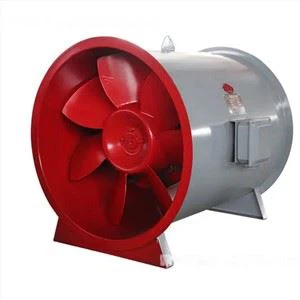
As a supplier of roof axial flow fans, I often get asked about the suitability of these fans for various applications, and one common question is whether they can be used in a hotel. In this blog post, I'll delve into the details and explain why roof axial flow fans can be an excellent choice for hotels.
Understanding Roof Axial Flow Fans
Before we discuss their use in hotels, let's first understand what roof axial flow fans are. These fans are designed to move air in a straight line, parallel to the axis of the fan blades. They are typically installed on the roof of a building and are used to exhaust stale air, heat, and odors from the interior space. Roof axial flow fans are known for their high airflow capacity, energy efficiency, and relatively low noise levels.
Benefits of Using Roof Axial Flow Fans in Hotels
1. Ventilation and Air Quality
Hotels are busy places with a constant flow of guests, staff, and activities. This can lead to the buildup of pollutants, such as carbon dioxide, volatile organic compounds (VOCs), and odors, which can affect the indoor air quality. Roof axial flow fans can help to improve ventilation by continuously removing stale air from the hotel rooms, public areas, kitchens, and laundry facilities. By doing so, they can reduce the concentration of pollutants and create a healthier and more comfortable environment for guests and staff.
2. Temperature Control
In addition to improving air quality, roof axial flow fans can also help to control the temperature inside the hotel. During the summer months, these fans can exhaust hot air from the building, reducing the load on the air conditioning system and potentially saving energy. In the winter, they can be used to remove excess moisture, which can help to prevent the growth of mold and mildew.


3. Noise Reduction
Roof axial flow fans are designed to operate quietly, which is important in a hotel environment where guests expect a peaceful and relaxing stay. By choosing a high-quality fan with low noise levels, you can ensure that the fan does not disrupt the comfort of your guests.
4. Energy Efficiency
Energy efficiency is a key consideration for hotels, as it can have a significant impact on operating costs. Roof axial flow fans are typically more energy-efficient than other types of ventilation systems, such as centrifugal fans, because they use less power to move the same amount of air. By choosing an energy-efficient fan, you can reduce your hotel's energy consumption and lower your utility bills.
5. Durability and Reliability
Hotels are open 24 hours a day, 7 days a week, which means that the ventilation system needs to be reliable and durable. Roof axial flow fans are designed to withstand harsh weather conditions and continuous operation, making them a reliable choice for hotels. By choosing a high-quality fan from a reputable manufacturer, you can ensure that your fan will last for many years with minimal maintenance.
Applications of Roof Axial Flow Fans in Hotels
1. Guest Rooms
Roof axial flow fans can be installed in the guest rooms to provide ventilation and improve air quality. By removing stale air and odors, these fans can create a more comfortable and inviting environment for guests. They can also help to reduce the humidity levels in the rooms, which can prevent the growth of mold and mildew.
2. Public Areas
Public areas, such as lobbies, restaurants, and conference rooms, are often crowded and can generate a lot of heat and odors. Roof axial flow fans can be used to exhaust this hot air and odors, creating a more comfortable and pleasant environment for guests. They can also help to improve the ventilation in these areas, which can reduce the spread of airborne diseases.
3. Kitchens
Kitchens are one of the most important areas in a hotel, as they are responsible for preparing food for guests. However, kitchens can also generate a lot of heat, steam, and odors, which can affect the indoor air quality. Roof axial flow fans can be used to exhaust this hot air, steam, and odors, creating a more comfortable and healthy environment for kitchen staff. They can also help to prevent the buildup of grease and other contaminants in the kitchen, which can reduce the risk of fire.
4. Laundry Facilities
Laundry facilities are another area in a hotel that can generate a lot of heat, steam, and odors. Roof axial flow fans can be used to exhaust this hot air, steam, and odors, creating a more comfortable and healthy environment for laundry staff. They can also help to prevent the buildup of moisture in the laundry facilities, which can reduce the risk of mold and mildew.
Choosing the Right Roof Axial Flow Fan for Your Hotel
When choosing a roof axial flow fan for your hotel, there are several factors to consider, including:
1. Airflow Capacity
The airflow capacity of the fan is measured in cubic feet per minute (CFM) and is an important factor to consider when choosing a fan. You need to choose a fan with a CFM rating that is appropriate for the size of the area you want to ventilate. A fan with a higher CFM rating will be able to move more air, but it will also consume more energy.
2. Static Pressure
Static pressure is the resistance to airflow that the fan needs to overcome to move air through the ventilation system. You need to choose a fan with a static pressure rating that is appropriate for the length and diameter of the ductwork, as well as the number of bends and fittings in the system. A fan with a higher static pressure rating will be able to overcome more resistance, but it will also consume more energy.
3. Noise Level
The noise level of the fan is measured in decibels (dB) and is an important factor to consider in a hotel environment. You need to choose a fan with a low noise level to ensure that it does not disrupt the comfort of your guests. Look for fans that are designed to operate quietly, such as those with aerodynamic blades and a low-speed motor.
4. Energy Efficiency
Energy efficiency is a key consideration for hotels, as it can have a significant impact on operating costs. Look for fans that are Energy Star certified, as these fans are designed to meet strict energy efficiency standards. You can also choose a fan with a variable speed motor, which allows you to adjust the fan speed based on the ventilation needs of the area.
5. Durability and Reliability
Hotels are open 24 hours a day, 7 days a week, which means that the ventilation system needs to be reliable and durable. Look for fans that are made from high-quality materials, such as stainless steel or aluminum, and that are designed to withstand harsh weather conditions and continuous operation. You can also choose a fan with a long warranty to ensure that you are protected against any defects or malfunctions.
Our Products and Services
As a leading supplier of roof axial flow fans, we offer a wide range of products to meet the needs of hotels. Our fans are designed to provide high airflow capacity, energy efficiency, and low noise levels, making them an excellent choice for hotel applications. We also offer a range of services, including installation, maintenance, and repair, to ensure that your fans are operating at peak performance.
If you're interested in learning more about our Exhaust Fan Roof Air Vent Fan Manufacturer, Booster Fan Duct Booster Fan, or Industrial Axial Flow Roof Top Air Extractor Fan Mushroom Exhaust Fan, please contact us today. Our team of experts will be happy to help you choose the right fan for your hotel and provide you with a free quote.
Conclusion
In conclusion, roof axial flow fans can be an excellent choice for hotels. They offer a range of benefits, including improved ventilation and air quality, temperature control, noise reduction, energy efficiency, and durability. By choosing the right fan for your hotel and ensuring that it is installed and maintained properly, you can create a healthier and more comfortable environment for your guests and staff. If you're interested in learning more about our roof axial flow fans or would like to discuss your ventilation needs, please contact us today. We look forward to working with you.
References
- ASHRAE Handbook - Fundamentals. American Society of Heating, Refrigerating and Air-Conditioning Engineers, Inc.
- Ventilation for Acceptable Indoor Air Quality. ASHRAE Standard 62.1.
- Energy Efficiency Standards for Residential and Nonresidential Buildings. International Energy Conservation Code (IECC).