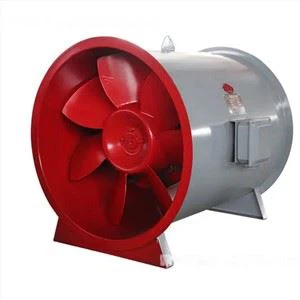
In the realm of highway infrastructure, the significance of well - functioning tunnel ventilation systems cannot be overstated. Highway tunnels are complex engineering feats, and ensuring proper air quality and ventilation is crucial for the safety and comfort of motorists. One of the key components of these ventilation systems is the highway tunnel fan. As concerns about energy consumption and environmental sustainability continue to grow, the demand for energy - saving highway tunnel fans has become increasingly prominent. In this blog, as a supplier of highway tunnel fans, I will explore the availability of energy - saving highway tunnel fans and their importance in modern tunnel construction.
The Need for Energy - Saving Fans in Highway Tunnels
Highway tunnels require continuous ventilation to remove pollutants such as carbon monoxide, nitrogen oxides, and particulate matter emitted by vehicles. Traditional tunnel fans often consume a significant amount of energy, which not only leads to high operational costs but also has a negative impact on the environment. With the global push towards energy efficiency and sustainable development, there is an urgent need to develop and deploy energy - saving fans in highway tunnels.
Energy - saving fans can significantly reduce the electricity consumption of tunnel ventilation systems. This is achieved through various technological advancements, such as the use of high - efficiency motors, optimized blade designs, and intelligent control systems. By reducing energy consumption, these fans can help tunnel operators save on operational costs over the long term. Additionally, lower energy consumption means a reduced carbon footprint, contributing to a more sustainable transportation infrastructure.
Technological Advancements in Energy - Saving Highway Tunnel Fans
High - Efficiency Motors
One of the primary factors contributing to the energy efficiency of highway tunnel fans is the use of high - efficiency motors. These motors are designed to convert electrical energy into mechanical energy with minimal losses. They often feature advanced materials and manufacturing techniques that reduce friction and heat generation. For example, permanent magnet synchronous motors (PMSMs) are becoming increasingly popular in tunnel fan applications. PMSMs offer higher efficiency, better power density, and improved speed control compared to traditional induction motors.
Optimized Blade Designs
The design of the fan blades also plays a crucial role in energy efficiency. Modern energy - saving highway tunnel fans are equipped with blades that are aerodynamically optimized to minimize air resistance and maximize airflow. Computational fluid dynamics (CFD) simulations are often used to design these blades, allowing engineers to fine - tune the shape and angle of the blades for optimal performance. By reducing air resistance, the fans can achieve the same airflow with less power input.
Intelligent Control Systems
Intelligent control systems are another key feature of energy - saving highway tunnel fans. These systems can adjust the fan speed and operation based on real - time conditions in the tunnel. For example, they can sense the air quality, traffic volume, and temperature in the tunnel and adjust the fan speed accordingly. During periods of low traffic, the fans can operate at a lower speed, reducing energy consumption. When traffic volume increases or air quality deteriorates, the fans can automatically increase their speed to maintain proper ventilation.
Available Energy - Saving Highway Tunnel Fans in the Market
As a highway tunnel fan supplier, we offer a range of energy - saving fans that are suitable for different tunnel applications. Our Mine Suction Double Impeller Fan is designed for applications where high - volume air movement is required. It features a double - impeller design that provides increased airflow and pressure with lower energy consumption. The fan is equipped with a high - efficiency motor and aerodynamically optimized blades, ensuring reliable and energy - efficient operation.
Our Tunnel Boring Construction Fan is specifically designed for use during tunnel construction. It is capable of providing large - scale ventilation in the confined spaces of a tunnel under construction. This fan also incorporates energy - saving technologies, such as an intelligent control system that can adjust the fan speed based on the construction progress and air quality requirements.
In addition, our Denitrification Fan is used for removing nitrogen oxides from the tunnel air. It is designed to operate efficiently in high - temperature and high - humidity environments, which are common in highway tunnels. The fan's energy - saving features, including a high - efficiency motor and optimized blade design, make it an ideal choice for denitrification applications.
Case Studies of Energy - Saving Highway Tunnel Fans
There are numerous case studies that demonstrate the effectiveness of energy - saving highway tunnel fans. For example, in a large - scale highway tunnel project in Europe, the installation of energy - saving fans resulted in a 30% reduction in energy consumption compared to the previous ventilation system. The intelligent control system in these fans adjusted the fan speed based on traffic volume and air quality, ensuring that the fans only operated at full capacity when necessary.


In another case, a tunnel in Asia replaced its old fans with our energy - saving Mine Suction Double Impeller Fan. The new fans not only reduced energy consumption but also improved the overall air quality in the tunnel. The optimized blade design of the fans allowed for better airflow distribution, ensuring that pollutants were effectively removed from the tunnel.
The Future of Energy - Saving Highway Tunnel Fans
The future of energy - saving highway tunnel fans looks promising. As technology continues to evolve, we can expect to see even more advanced and energy - efficient fan designs. For example, the integration of renewable energy sources, such as solar and wind power, into tunnel ventilation systems is a potential area of development. This could further reduce the reliance on grid - supplied electricity and make tunnel ventilation more sustainable.
In addition, the development of smart cities and the Internet of Things (IoT) will likely lead to more intelligent and connected tunnel ventilation systems. Fans could be integrated into a larger network of sensors and control systems, allowing for real - time monitoring and optimization of tunnel ventilation based on a variety of factors, such as weather conditions, traffic patterns, and energy prices.
Conclusion
In conclusion, there are indeed energy - saving highway tunnel fans available in the market. These fans offer significant benefits in terms of energy efficiency, cost savings, and environmental sustainability. As a highway tunnel fan supplier, we are committed to providing our customers with the latest energy - saving technologies and solutions. Our range of energy - saving fans, including the Mine Suction Double Impeller Fan, Tunnel Boring Construction Fan, and Denitrification Fan, is designed to meet the diverse needs of tunnel operators.
If you are interested in learning more about our energy - saving highway tunnel fans or would like to discuss a specific tunnel ventilation project, we encourage you to contact us for a detailed consultation. Our team of experts is ready to assist you in finding the most suitable fan solutions for your tunnel.
References
- Chen, J., & Li, Y. (2019). Research on energy - saving technology of highway tunnel ventilation system. Journal of Traffic and Transportation Engineering, 19(3), 123 - 131.
- Wang, H., & Zhang, X. (2020). Optimization design of highway tunnel fan based on CFD simulation. Applied Mechanics and Materials, 856, 234 - 240.
- International Energy Agency. (2021). Energy efficiency in the transport sector. Paris: International Energy Agency.