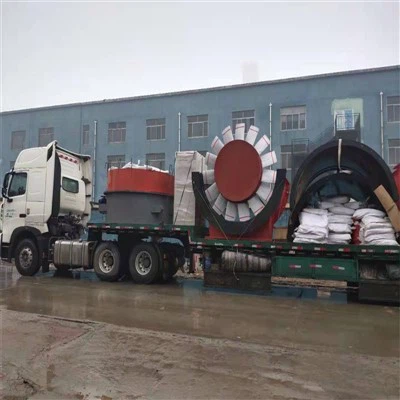
Boiler Induced Draft Fans play a crucial role in various industrial processes, especially in power plants and large - scale heating systems. As a reliable Boiler Induced Draft Fan supplier, we understand the importance of proper training for operating these complex pieces of equipment. In this blog, we will discuss the types of training provided to ensure the safe and efficient operation of Boiler Induced Draft Fans.
1. Theoretical Training
The first step in training personnel to operate a Boiler Induced Draft Fan is theoretical training. This training provides a comprehensive understanding of the fan's technical specifications, working principles, and the overall system in which it operates.
Technical Specifications
Operators need to be well - versed in the fan's key technical parameters, such as flow rate, pressure, power consumption, and rotational speed. For example, understanding the flow rate is essential as it determines the amount of air or gas that the fan can move through the boiler system. If the flow rate is too low, the combustion process may be incomplete, leading to reduced efficiency and increased emissions. On the other hand, an excessive flow rate can put unnecessary stress on the system components.
Our technical experts will provide detailed information about each specification, explaining how they interact with one another. We also introduce how to read and interpret the fan's operation manual, which contains valuable data and diagrams about the fan's performance.
Working Principles
A deep understanding of how a Boiler Induced Draft Fan works is fundamental for operators. The basic principle involves generating a negative pressure to draw out the flue gases from the boiler and expel them into the atmosphere. We will explain the different components of the fan, such as the impeller, housing, and motor, and how they work in harmony.
The impeller, for instance, is a key component that rotates at high speed, creating a centrifugal force that accelerates the gas. The shape and design of the impeller significantly affect the fan's performance. We will also discuss the factors that can influence the fan's efficiency, like the temperature and density of the gas being handled. For more information on our high - performance fans, you can visit The High - Efficiency, Low - Noise Boiler Centrifugal Fan.
System Integration
Boiler Induced Draft Fans are part of a larger boiler system. Operators need to understand how the fan interacts with other components, such as burners, heat exchangers, and stack. For example, the proper operation of the fan is closely related to the combustion process in the boiler. If the fan fails to provide the right amount of draft, it can disrupt the combustion, leading to problems like soot formation and poor heat transfer.
Our training also covers the safety interlocks and control systems in the boiler system. These systems are designed to protect the equipment and ensure the safety of the operators. Operators will learn how to respond to different alarm signals and take appropriate actions.
2. Practical Training
After theoretical training, practical training is essential to allow operators to gain hands - on experience in operating and maintaining the Boiler Induced Draft Fan.
Startup and Shutdown Procedures
Proper startup and shutdown procedures are critical for the longevity and safe operation of the fan. During startup, operators need to follow a specific sequence to ensure that the fan reaches its operating speed smoothly. This may involve checking the lubrication system, inspecting the electrical connections, and gradually increasing the power supply.
Similarly, during shutdown, the fan needs to be stopped in a controlled manner to prevent damage to the components. Our trainers will guide operators through the startup and shutdown procedures step - by - step, allowing them to practice these procedures in a real - world environment.
Monitoring and Debugging
Operators are trained to monitor the fan's performance during operation. This includes checking parameters such as temperature, vibration, and noise levels. Any abnormal changes in these parameters can indicate potential problems with the fan. For example, excessive vibration may be a sign of an unbalanced impeller or loose mounting bolts.
Operators will learn how to use monitoring tools, such as vibration sensors and thermometers, to detect these issues early. In case of a problem, they will be trained to troubleshoot the issue and identify the root cause. If necessary, they will also learn how to perform minor repairs, such as tightening bolts or replacing worn - out parts. For high - efficient centrifugal fans suitable for continuous monitoring in industrial ventilation, you can refer to High Efficient Centrifugal Fans For Industrial Ventilation.
Maintenance and Lubrication
Regular maintenance is crucial for the reliable operation of the Boiler Induced Draft Fan. Our training includes teaching operators about the different maintenance tasks, such as cleaning the fan blades, checking the belt tension, and replacing the filters.


Lubrication is also an important aspect of maintenance. The fan's bearings and other moving parts need to be properly lubricated to reduce friction and wear. Operators will learn about the different types of lubricants, the correct lubrication intervals, and the proper lubrication methods.
3. Safety Training
Safety is of utmost importance when operating a Boiler Induced Draft Fan. Safety training is an integral part of our training program.
Personal Protective Equipment (PPE)
Operators are required to wear appropriate PPE when working with the fan. This may include safety glasses, earplugs, gloves, and safety shoes. Our trainers will explain the importance of each piece of PPE and how to use them correctly.
Hazard Identification and Risk Assessment
Operators will be trained to identify potential hazards associated with the operation of the Boiler Induced Draft Fan. These hazards may include electrical shock, mechanical injury, and exposure to harmful gases. They will learn how to conduct a risk assessment and take appropriate measures to mitigate these risks.
Emergency Response Procedures
In case of an emergency, such as a fire or a fan failure, operators need to know how to respond quickly and effectively. Our safety training includes teaching emergency response procedures, such as evacuation routes, fire - fighting techniques, and first - aid measures.
4. Advanced Training
For more experienced operators or those who need to manage a more complex boiler system, we offer advanced training.
Performance Optimization
Advanced training focuses on optimizing the fan's performance to improve the overall efficiency of the boiler system. This may involve adjusting the fan's speed, modifying the ductwork, or implementing advanced control strategies. Operators will learn how to analyze the system performance data and make informed decisions to achieve the best possible results.
Energy Efficiency
In today's energy - conscious world, energy efficiency is a key concern for industrial operators. Our advanced training covers energy - saving methods for Boiler Induced Draft Fans, such as using variable - frequency drives (VFDs) to adjust the fan speed according to the actual demand. This not only reduces energy consumption but also extends the lifespan of the fan.
As a leading Boiler Induced Draft Fan supplier, we are committed to providing high - quality training to our customers. Our training programs are designed to ensure that operators can operate our fans safely, efficiently, and with minimal downtime. If you are interested in purchasing our Boiler Induced Draft Fans or learning more about our training services, please feel free to contact us for procurement discussions. We look forward to helping you meet your industrial ventilation needs. Decanter Centrifuge is another product that we highly recommend for related applications.
References
- Fan Engineering Handbook, various editions
- Standards and Guidelines for Boiler Induced Draft Fan Operation, relevant industry associations
- Manufacturer's manuals for Boiler Induced Draft Fans