Hey there! As a centrifugal fan supplier, I often get asked about the static pressure of centrifugal fans. So, I thought I'd take a moment to break it down for you in simple terms.


First off, let's talk about what a centrifugal fan is. A centrifugal fan is a type of mechanical device that uses a rotating impeller to increase the pressure and flow of air or gas. These fans are commonly used in a wide range of applications, from HVAC systems in buildings to industrial processes like ventilation, drying, and cooling.
Now, let's dive into the concept of static pressure. Static pressure is basically the pressure exerted by a fluid (in this case, air or gas) at rest. In the context of a centrifugal fan, static pressure refers to the ability of the fan to overcome resistance in a system and push air through ducts, filters, and other components.
Think of it like this: when you're trying to blow air through a straw, the resistance of the straw makes it harder to push the air out. The same principle applies to a centrifugal fan. The static pressure of the fan determines how well it can overcome the resistance in a ventilation system and deliver the desired amount of air.
There are a few factors that can affect the static pressure of a centrifugal fan. One of the most important factors is the design of the fan itself. The shape and size of the impeller, the number of blades, and the speed at which the impeller rotates all play a role in determining the static pressure capabilities of the fan.
Another factor that can affect static pressure is the system resistance. This includes things like the length and diameter of the ducts, the type and number of filters, and any other components that the air has to pass through. The more resistance there is in the system, the higher the static pressure required to push the air through.
So, why is static pressure important? Well, if the static pressure of a fan is too low, it won't be able to overcome the resistance in the system and deliver the required amount of air. This can lead to poor ventilation, which can have a negative impact on indoor air quality, energy efficiency, and the performance of equipment.
On the other hand, if the static pressure of a fan is too high, it can cause excessive noise, vibration, and wear and tear on the fan and other components. It can also lead to higher energy consumption, as the fan has to work harder to overcome the resistance.
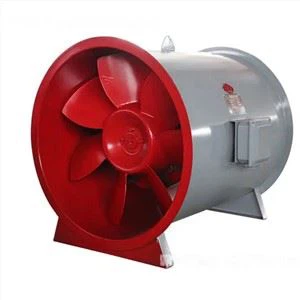
As a centrifugal fan supplier, we offer a wide range of fans with different static pressure capabilities to meet the needs of various applications. For example, our High temperature resistant pressurized fan is designed to handle high temperatures and provide reliable performance in demanding environments. This fan is ideal for applications such as industrial ovens, drying systems, and high-temperature ventilation.
If you're looking for a fan for industrial applications, our High-Efficiency Boiler Induced Draft Fan for Industrial Applications is a great choice. This fan is specifically designed to provide high-pressure air flow for boiler systems, helping to improve combustion efficiency and reduce energy consumption.
For the textile industry, we have the High-Performance Centrifugal Fans for Textile Industry. These fans are designed to provide efficient ventilation and air circulation in textile mills, helping to maintain a comfortable working environment and improve the quality of the products.
When choosing a centrifugal fan, it's important to consider the specific requirements of your application, including the required air flow rate, static pressure, and temperature. Our team of experts can help you select the right fan for your needs and provide you with all the information and support you need to ensure a successful installation.
If you're interested in learning more about our centrifugal fans or have any questions about static pressure or other technical aspects, please don't hesitate to contact us. We're always happy to help and look forward to the opportunity to work with you on your next project.
References
- Fundamentals of HVAC Systems, various industry publications
- Centrifugal Fan Design and Application Guides, industry - specific manuals