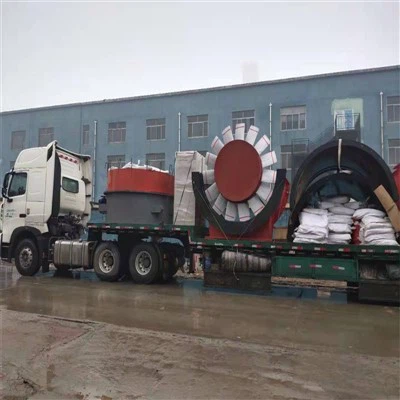
When it comes to centrifugal fans, the fan housing plays a crucial role in ensuring the efficient and reliable operation of the equipment. As a leading centrifugal fan supplier, we understand the significance of choosing the right materials for the fan housing. In this blog post, we will explore the commonly used materials for the fan housing of a centrifugal fan, their properties, and the applications where they are most suitable.


1. Steel
Steel is one of the most widely used materials for centrifugal fan housings. It offers several advantages that make it a popular choice in various industrial applications.
Properties
- High Strength: Steel has excellent tensile strength and can withstand high pressures and forces. This makes it suitable for fans that operate under demanding conditions, such as high - temperature and high - pressure environments.
- Durability: It is highly resistant to wear, corrosion, and impact. Steel fan housings can have a long service life, even in harsh industrial settings.
- Machinability: Steel can be easily cut, welded, and formed into different shapes and sizes. This allows for the production of custom - designed fan housings to meet specific project requirements.
Applications
- Industrial Ventilation: Steel fan housings are commonly used in industrial ventilation systems, where they are required to handle large volumes of air and resist the abrasive effects of dust and debris. Heavy - Duty Centrifugal Fans for Industrial Forced Ventilation are often made with steel housings to ensure reliable performance in industrial settings.
- Power Generation: In power plants, steel fan housings are used in boilers and cooling systems. They can withstand the high temperatures and pressures associated with these applications. High - Temperature Boiler Fan For Industrial is an example of a product that benefits from a steel housing.
2. Aluminum
Aluminum is another popular material for centrifugal fan housings, especially in applications where weight is a concern.
Properties
- Low Density: Aluminum is much lighter than steel, which makes it easier to handle and install. This can be a significant advantage in applications where portability or weight reduction is crucial.
- Corrosion Resistance: Aluminum has a natural oxide layer that provides good corrosion resistance, especially in non - harsh atmospheric environments. However, it may require additional protection in more aggressive chemical environments.
- High Thermal Conductivity: Aluminum can dissipate heat quickly, which is beneficial for fans that generate a significant amount of heat during operation.
Applications
- HVAC Systems: Aluminum fan housings are commonly used in heating, ventilation, and air - conditioning (HVAC) systems. Their lightweight nature makes them suitable for indoor applications where ease of installation and reduced weight are important considerations.
- Automotive Industry: In automotive applications, such as radiator cooling fans, aluminum is used due to its lightweight and good thermal conductivity properties.
3. Fiberglass Reinforced Plastic (FRP)
Fiberglass Reinforced Plastic, or FRP, is a composite material that consists of a plastic matrix reinforced with fiberglass.
Properties
- Corrosion Resistance: FRP is highly resistant to corrosion, making it an ideal choice for applications where the fan housing will be exposed to corrosive chemicals or environments.
- Lightweight: Similar to aluminum, FRP is relatively lightweight, which can reduce the overall weight of the fan system.
- Design Flexibility: FRP can be molded into complex shapes, allowing for more innovative and efficient fan housing designs.
Applications
- Chemical and Petrochemical Industries: In these industries, fans are often exposed to corrosive gases and chemicals. FRP fan housings provide the necessary corrosion resistance to ensure long - term performance.
- Water Treatment Plants: FRP is also commonly used in water treatment plants, where the fan housing needs to resist the corrosive effects of water and chemicals.
4. Cast Iron
Cast iron is a traditional material that has been used for fan housings for many years.
Properties
- High Strength and Rigidity: Cast iron has excellent strength and rigidity, which allows it to withstand high pressures and vibrations.
- Good Damping Properties: It can absorb vibrations, reducing noise levels during fan operation.
- Wear Resistance: Cast iron is resistant to wear, making it suitable for applications where the fan housing may be exposed to abrasive particles.
Applications
- Heavy - Duty Industrial Applications: Cast iron fan housings are commonly used in heavy - duty industrial applications, such as mining, cement production, and steel mills. These applications require fans that can operate under extreme conditions.
5. Stainless Steel
Stainless steel is a type of steel that contains chromium, which gives it excellent corrosion resistance.
Properties
- Corrosion Resistance: Stainless steel can resist corrosion in a wide range of environments, including acidic and alkaline conditions.
- Hygiene: It is easy to clean and maintain, making it suitable for applications where hygiene is a concern.
- Aesthetic Appeal: Stainless steel has a smooth and shiny surface, which can enhance the appearance of the fan housing.
Applications
- Food and Beverage Industry: In the food and beverage industry, stainless steel fan housings are used to ensure the cleanliness and safety of the production environment.
- Pharmaceutical Industry: Similar to the food and beverage industry, the pharmaceutical industry requires fans with stainless steel housings to meet strict hygiene standards.
Considerations When Choosing Fan Housing Materials
When selecting the material for a centrifugal fan housing, several factors need to be considered:
- Operating Environment: The temperature, humidity, presence of corrosive substances, and abrasive particles in the operating environment will determine the most suitable material.
- Performance Requirements: The required airflow, pressure, and efficiency of the fan will also influence the material choice. For example, high - performance fans may require materials with high strength and low weight.
- Cost: The cost of the material, as well as the cost of manufacturing and installation, should be taken into account.
As a centrifugal fan supplier, we have extensive experience in selecting the right materials for different applications. We can provide you with high - quality centrifugal fans with fan housings made from the most appropriate materials. If you are interested in our products, whether you need a High - Temperature Air Blower Industrial Ventilation Equipment or a fan for other specific applications, please feel free to contact us for procurement and further discussions. We are committed to providing you with the best solutions to meet your needs.
References
- ASHRAE Handbook - HVAC Systems and Equipment.
- Industrial Ventilation: A Manual of Recommended Practice, American Conference of Governmental Industrial Hygienists.