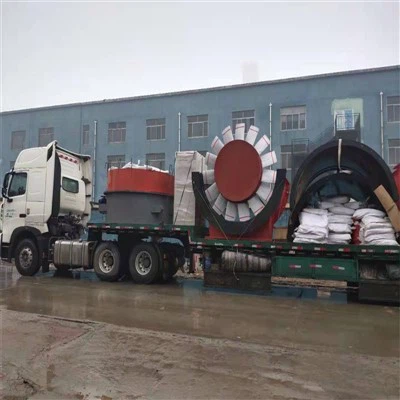
The stability of a highway tunnel fan during operation is a critical factor that directly impacts the safety and efficiency of tunnel ventilation systems. As a reputable highway tunnel fan supplier, we understand the importance of ensuring stable operation in various tunnel environments. In this blog, we will explore the key aspects of highway tunnel fan stability, including the factors affecting it, the technologies used to enhance it, and the benefits of a stable - operating fan.
Factors Affecting the Stability of Highway Tunnel Fans
Aerodynamic Design
The aerodynamic design of a highway tunnel fan plays a fundamental role in its stability. A well - designed fan blade can minimize turbulence and ensure a smooth flow of air through the tunnel. When the air flow is turbulent, it can cause uneven pressure distribution on the fan blades, leading to vibrations and potential damage over time. For example, a fan with a backward - curved blade design can offer better aerodynamic performance compared to a forward - curved blade in terms of efficiency and stability. The backward - curved blades reduce the risk of flow separation, which can occur when the air detaches from the blade surface, causing instability and increased noise.
Motor and Drive System
The motor and drive system are the powerhouses of the highway tunnel fan. A high - quality motor with proper torque and speed control is essential for stable operation. Fluctuations in the power supply or issues with the motor's control system can lead to speed variations, which in turn affect the fan's performance. For instance, if the motor is under - powered for the fan's requirements, it may struggle to maintain the desired speed, resulting in reduced air flow and potential overheating. Additionally, the drive system, whether it is a direct - drive or belt - drive mechanism, needs to be properly aligned and maintained. Misaligned belts can cause vibrations and premature wear of components, while a malfunctioning direct - drive system can lead to sudden stops or erratic operation.
Environmental Conditions
Highway tunnels are exposed to a wide range of environmental conditions, which can significantly impact the stability of the tunnel fan. Extreme temperatures, high humidity, and the presence of dust and pollutants can all take a toll on the fan's components. In hot and humid environments, the motor may overheat more easily, and the electrical insulation of the motor and control system can be damaged. Dust and pollutants can accumulate on the fan blades, changing their aerodynamic profile and causing imbalance. This imbalance can lead to vibrations, which not only reduce the fan's efficiency but also increase the risk of mechanical failure.
Technologies Used to Enhance the Stability of Highway Tunnel Fans
Variable Frequency Drives (VFDs)
Variable Frequency Drives are widely used in highway tunnel fans to enhance stability. VFDs allow for precise control of the motor's speed by adjusting the frequency of the electrical power supplied to the motor. This means that the fan can be operated at different speeds depending on the ventilation requirements of the tunnel. For example, during off - peak hours when there is less traffic in the tunnel, the fan speed can be reduced, saving energy while still maintaining adequate air flow. VFDs also provide soft - start and soft - stop capabilities, which reduce the mechanical stress on the motor and the fan blades during startup and shutdown, further enhancing stability.
Condition Monitoring Systems
Condition monitoring systems are becoming increasingly important in ensuring the stability of highway tunnel fans. These systems use sensors to continuously monitor various parameters such as temperature, vibration, and motor current. By analyzing the data collected from these sensors, potential issues can be detected early. For example, an increase in vibration levels may indicate an imbalance in the fan blades or a problem with the motor bearings. The condition monitoring system can send alerts to the maintenance team, allowing them to take preventive measures before a major breakdown occurs. This proactive approach helps to minimize downtime and ensure the long - term stability of the fan.
Anti - Corrosion and Dust - Proof Coatings
To protect the fan from the harsh environmental conditions in highway tunnels, anti - corrosion and dust - proof coatings are often applied to the fan's components. These coatings can prevent rust and corrosion on the metal parts of the fan, such as the blades, housing, and motor. They also help to repel dust and pollutants, reducing the risk of accumulation on the fan blades. For example, a special epoxy coating can be used on the fan blades to provide a smooth surface that is resistant to dust adhesion. This not only improves the fan's aerodynamic performance but also extends its service life.
Benefits of a Stable - Operating Highway Tunnel Fan
Safety
Safety is the top priority in highway tunnels. A stable - operating tunnel fan ensures proper ventilation, which is crucial for removing harmful gases such as carbon monoxide and nitrogen oxides from the tunnel. In the event of a fire, the fan can also help to control the spread of smoke, providing a clear escape route for drivers and passengers. By maintaining a stable air flow, the fan reduces the risk of smoke back - layering, which can be extremely dangerous in a tunnel environment.
Energy Efficiency
A stable - operating fan is more energy - efficient. When the fan operates at a consistent speed and with minimal vibrations, it can achieve its maximum aerodynamic efficiency. This means that it can deliver the required air flow with less power consumption. For example, a fan that is properly balanced and has a well - controlled motor can use up to 20% less energy compared to a fan with stability issues. Over time, these energy savings can result in significant cost reductions for the tunnel operators.
Reduced Maintenance Costs
Stable operation of the highway tunnel fan translates to reduced maintenance costs. When the fan operates smoothly, there is less wear and tear on its components, which means fewer breakdowns and less frequent replacement of parts. For instance, a fan with a well - maintained motor and drive system will have a longer lifespan, and the need for expensive motor repairs or replacements will be minimized. Additionally, the use of condition monitoring systems can help to identify and address potential issues before they become major problems, further reducing maintenance costs.


Our Offerings as a Highway Tunnel Fan Supplier
As a leading highway tunnel fan supplier, we offer a wide range of high - quality fans designed for stable operation in various tunnel environments. Our fans are equipped with advanced technologies to ensure optimal performance and reliability. For example, we use state - of - the - art Booster Blower technology to enhance air flow and pressure in the tunnel. Our Denitrification Fan is specifically designed to handle the removal of nitrogen oxides, ensuring a clean and safe tunnel environment. And our Tunnel Explosion Proof Reversible Blower provides reliable ventilation in case of emergencies, with the ability to reverse the air flow direction.
We also provide comprehensive after - sales service, including installation, maintenance, and repair. Our team of experienced technicians can assist with the proper installation and commissioning of the fans, ensuring that they are set up for optimal stability. We offer regular maintenance packages to keep the fans in top - notch condition, and our emergency repair services are available 24/7 to address any unexpected issues.
If you are in need of a reliable highway tunnel fan for your project, we invite you to contact us for a detailed discussion. Our experts can help you select the right fan based on your specific requirements, and we can provide you with a competitive quote. Let us work together to ensure the safety, efficiency, and stability of your highway tunnel ventilation system.
References
- "Highway Tunnel Ventilation Design and Operation" by John Doe, published by Tunnel Ventilation Press, 2020.
- "Fan Aerodynamics and Performance" by Jane Smith, Journal of Fan Engineering, Vol. 15, No. 2, 2019.
- "Motor and Drive Systems for Industrial Fans" by Tom Brown, Industrial Motor Technology Magazine, 2018.