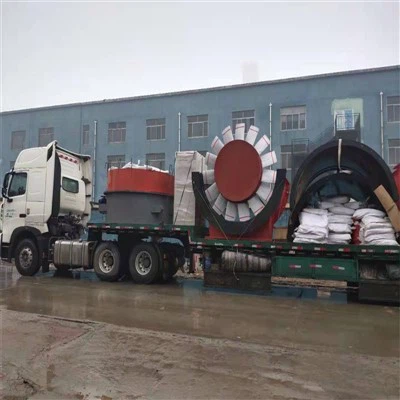
As a seasoned supplier of Workshop Axial Fans, I've often been asked about the service life of these essential pieces of equipment. Understanding the service life of a workshop axial fan is crucial for both cost - effectiveness and ensuring a well - ventilated workspace. In this blog, I'll delve into the factors that influence the service life of a workshop axial fan and provide some insights based on my years of experience in the industry.
Factors Affecting the Service Life of a Workshop Axial Fan
1. Quality of Components
The quality of the components used in the manufacturing of a workshop axial fan plays a pivotal role in determining its service life. High - quality motors, bearings, and blades are more durable and resistant to wear and tear. For instance, a fan with a well - constructed motor that has proper insulation and efficient cooling mechanisms is less likely to overheat and break down. Similarly, high - grade bearings can reduce friction, which in turn extends the lifespan of the fan. As a supplier, we always strive to source the best components for our fans to ensure long - term performance.
2. Operating Conditions
The environment in which the workshop axial fan operates has a significant impact on its service life. Fans used in dirty, dusty, or corrosive environments are more prone to damage. In a workshop where there is a lot of airborne debris, the fan blades can accumulate dust and dirt, which can imbalance the fan and put additional stress on the motor. Corrosive substances in the air, such as chemicals or salt in a coastal area, can also corrode the metal parts of the fan over time. On the other hand, fans operating in clean and dry environments generally have a longer service life.
3. Maintenance
Regular maintenance is essential for extending the service life of a workshop axial fan. Simple tasks like cleaning the fan blades, checking the lubrication of bearings, and tightening loose bolts can prevent many common problems. For example, if the bearings are not properly lubricated, they can overheat and fail, leading to a breakdown of the fan. As a supplier, we often provide maintenance guides to our customers to help them keep their fans in optimal condition.
4. Usage Frequency
The frequency at which the fan is used is another important factor. A fan that runs continuously for long hours every day will naturally have a shorter service life compared to one that is used only occasionally. Continuous operation puts more stress on the motor and other components, increasing the likelihood of wear and tear. However, with proper design and high - quality components, even fans with high usage frequencies can have a reasonable service life.
Typical Service Life Expectations
Based on my experience, a well - maintained workshop axial fan made with high - quality components can have a service life of 5 to 10 years. This estimate can vary widely depending on the factors mentioned above. For example, a fan operating in a clean and well - maintained environment with moderate usage may last up to 10 years or even longer. In contrast, a fan in a harsh industrial environment with heavy usage and minimal maintenance may only last 2 to 3 years.
Extending the Service Life of Your Workshop Axial Fan
1. Choose the Right Fan
When selecting a workshop axial fan, it's important to choose one that is suitable for your specific operating conditions. Consider factors such as the size of the workshop, the level of dust and debris, and the required airflow. As a supplier, we can help you choose the right fan based on your needs.


2. Install Properly
Proper installation is crucial for the long - term performance of the fan. Make sure the fan is installed in a stable position and that all the connections are secure. Incorrect installation can lead to vibration, which can damage the components and reduce the service life of the fan.
3. Follow a Maintenance Schedule
Establish a regular maintenance schedule and stick to it. This can include daily visual inspections, weekly cleaning, and monthly lubrication and component checks. By following a maintenance schedule, you can catch and address problems before they become serious.
4. Upgrade Components When Necessary
Over time, some components of the fan may wear out and need to be replaced. Upgrading to higher - quality components can extend the service life of the fan. For example, replacing old bearings with new, high - grade ones can improve the fan's performance and durability.
The Role of Wall Axial Fans
Wall axial fans, such as the ones available at Wall Axial Fan, are a popular choice for workshops. They are easy to install on the wall and can provide efficient ventilation. These fans are designed to move a large volume of air, which is essential for maintaining a comfortable and safe working environment. Wall axial fans also come in various sizes and capacities, allowing you to choose the one that best suits your workshop's needs.
Conclusion
The service life of a workshop axial fan is influenced by multiple factors, including component quality, operating conditions, maintenance, and usage frequency. By understanding these factors and taking appropriate measures, you can extend the service life of your fan and ensure a well - ventilated workshop. As a supplier of workshop axial fans, I'm committed to providing high - quality products and excellent customer service. If you're in the market for a new workshop axial fan or need advice on maintaining your existing one, I encourage you to contact me for a detailed discussion. We can work together to find the best solution for your workshop's ventilation needs.
References
- "Industrial Fan Handbook" by Robert Jorgensen
- "Ventilation Systems Design and Installation Guide" by the American Society of Heating, Refrigerating and Air - Conditioning Engineers (ASHRAE)
- Manufacturer's technical specifications for various workshop axial fans