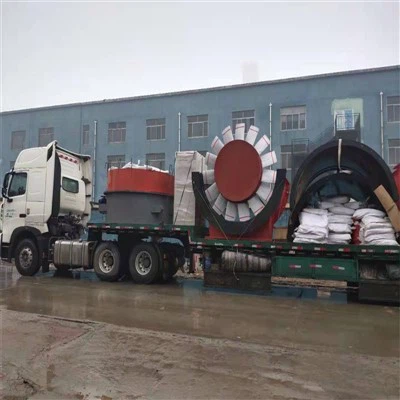
Axial flow ventilators are widely used in various industrial and commercial applications due to their high efficiency in moving large volumes of air. However, they are often exposed to harsh environments that can lead to corrosion, which can significantly reduce their lifespan and performance. As a supplier of axial flow ventilators, we understand the importance of implementing effective anti-corrosion measures to ensure the durability and reliability of our products. In this blog post, we will discuss some of the key anti-corrosion measures for axial flow ventilators.
Understanding the Causes of Corrosion in Axial Flow Ventilators
Before we delve into the anti-corrosion measures, it is essential to understand the main causes of corrosion in axial flow ventilators. Corrosion is a natural process that occurs when metals react with their environment, typically oxygen and moisture. In the context of axial flow ventilators, several factors can contribute to corrosion:
- Moisture: Exposure to high humidity, water splashes, or condensation can create a moist environment that accelerates the corrosion process. This is particularly common in applications such as wastewater treatment plants, mines, and coastal areas.
- Chemicals: Industrial environments often contain corrosive chemicals, such as acids, alkalis, and salts. These chemicals can react with the metal components of the ventilator, causing corrosion and degradation.
- Temperature: Extreme temperatures can also affect the corrosion rate. High temperatures can increase the chemical reaction rate, while low temperatures can cause moisture to condense on the surface of the ventilator.
- Abrasion: The movement of air and particles through the ventilator can cause abrasion, which can remove the protective coating on the metal surface and expose it to corrosion.
Anti-Corrosion Measures for Axial Flow Ventilators
Material Selection
One of the most effective ways to prevent corrosion is to select the right materials for the construction of the axial flow ventilator. Different metals have different levels of corrosion resistance, so choosing a material that is suitable for the specific application environment is crucial.
- Stainless Steel: Stainless steel is a popular choice for axial flow ventilators due to its excellent corrosion resistance. It contains chromium, which forms a passive oxide layer on the surface of the metal, protecting it from further corrosion. Stainless steel is particularly suitable for applications in harsh environments, such as chemical plants and coastal areas.
- Aluminum: Aluminum is another lightweight and corrosion-resistant material commonly used in the construction of axial flow ventilators. It forms a thin oxide layer on its surface, which provides some protection against corrosion. However, aluminum may not be suitable for applications where it is exposed to strong acids or alkalis.
- Fiberglass Reinforced Plastic (FRP): FRP is a composite material made of glass fibers and a polymer resin. It is highly corrosion-resistant and can be used in a wide range of applications, including those with exposure to chemicals. FRP is also lightweight and has good mechanical properties, making it a popular choice for axial flow ventilators.
Surface Coating
Applying a protective surface coating is an effective way to enhance the corrosion resistance of the axial flow ventilator. The coating acts as a barrier between the metal surface and the environment, preventing moisture and chemicals from coming into contact with the metal.
- Powder Coating: Powder coating is a popular method of applying a protective coating to the metal surface. It involves applying a dry powder to the surface of the metal and then heating it to form a hard, durable coating. Powder coating provides excellent corrosion resistance and can be customized to match the desired color and finish.
- Epoxy Coating: Epoxy coating is a two-part coating system that provides a high level of corrosion resistance. It is often used in applications where the ventilator is exposed to harsh chemicals or abrasive environments. Epoxy coating can be applied by spraying or brushing and provides a smooth, hard surface that is resistant to wear and tear.
- Zinc Coating: Zinc coating, also known as galvanizing, is a process of applying a layer of zinc to the surface of the metal. Zinc is more reactive than iron, so it acts as a sacrificial anode, protecting the underlying metal from corrosion. Galvanized steel is commonly used in the construction of axial flow ventilators and provides good corrosion resistance in outdoor and industrial environments.
Design Considerations
The design of the axial flow ventilator can also play a significant role in preventing corrosion. Here are some design considerations to keep in mind:
- Drainage: Ensure that the ventilator is designed with proper drainage channels to allow any moisture to drain away quickly. This can prevent the accumulation of water, which can lead to corrosion.
- Sealing: Use high-quality seals and gaskets to prevent moisture and chemicals from entering the ventilator. This is particularly important in applications where the ventilator is exposed to harsh environments.
- Accessibility: Design the ventilator in such a way that it is easy to access and clean. Regular cleaning can help remove any dirt, debris, or corrosive substances that may have accumulated on the surface of the ventilator.
- Avoidance of Crevices: Crevices can trap moisture and chemicals, creating an ideal environment for corrosion. Design the ventilator to minimize the number of crevices and ensure that they are properly sealed.
Maintenance and Inspection
Regular maintenance and inspection are essential to ensure the long-term performance and durability of the axial flow ventilator. Here are some maintenance and inspection tips:
- Cleaning: Regularly clean the ventilator to remove any dirt, debris, or corrosive substances that may have accumulated on the surface. Use a mild detergent and a soft brush or cloth to clean the ventilator. Avoid using abrasive cleaners or tools that may damage the protective coating.
- Lubrication: Lubricate the moving parts of the ventilator, such as the bearings and motors, to reduce friction and wear. Use a high-quality lubricant that is suitable for the specific application environment.
- Inspection: Regularly inspect the ventilator for any signs of corrosion, damage, or wear. Check the protective coating for any cracks, chips, or peeling. If any issues are detected, take appropriate action to repair or replace the affected parts.
- Monitoring: Monitor the operating conditions of the ventilator, such as temperature, humidity, and vibration. Any significant changes in these parameters may indicate a problem with the ventilator or the environment.
Conclusion
Corrosion is a major concern for axial flow ventilators, as it can significantly reduce their lifespan and performance. By implementing effective anti-corrosion measures, such as material selection, surface coating, design considerations, and maintenance and inspection, we can ensure the durability and reliability of our products. As a supplier of axial flow ventilators, we are committed to providing our customers with high-quality products that are designed to withstand the most challenging environments.


If you are interested in learning more about our axial flow ventilators or have any questions about anti-corrosion measures, please feel free to contact us. We would be happy to discuss your specific requirements and provide you with a customized solution.
For more information on our coal mine ventilation fans, which are designed with explosion-proof and anti-corrosion features, please visit Coal Mine Ventilation Fans | Explosion-Proof Axial Fans.
References
- Fontana, M. G. (1986). Corrosion engineering (3rd ed.). McGraw-Hill.
- Uhlig, H. H., & Revie, R. W. (1985). Corrosion and corrosion control: An introduction to corrosion science and engineering (3rd ed.). Wiley.
- ASM International. (2003). Corrosion basics: An introduction. ASM International.