When it comes to workshops, maintaining a well - ventilated environment is crucial for the health and safety of workers, as well as the proper functioning of equipment. One of the most common ventilation solutions in workshops is the axial fan. But a question that often arises among workshop owners and managers is: What is the noise level of a workshop axial fan?
Understanding Axial Fans
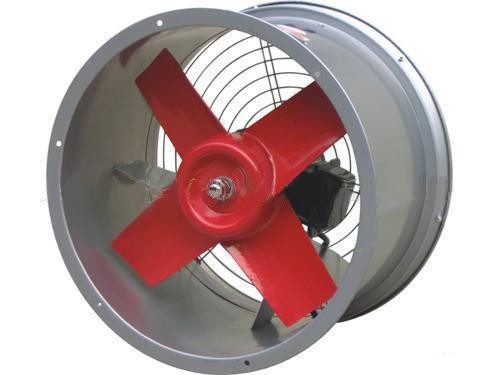
Axial fans are designed to move air in a straight line, parallel to the axis of the fan blades. In a workshop setting, they are used to exhaust hot air, fumes, and dust, and to bring in fresh air. As a workshop axial fan supplier, we offer a wide range of axial fans that vary in size, power, and performance.
Factors Affecting the Noise Level of Axial Fans
- Fan Size and Speed
The size and speed of an axial fan have a significant impact on its noise level. Generally, larger fans operating at higher speeds tend to produce more noise. This is because larger blades moving at high velocities create more air turbulence, which in turn generates more noise. For example, a large - scale industrial axial fan with a diameter of over 1 meter and a high rotational speed may produce a noise level of 70 - 80 decibels (dB). On the other hand, smaller fans with lower speeds, such as those used for local ventilation in a workshop, may produce noise levels in the range of 40 - 50 dB. - Blade Design
The design of the fan blades also plays a crucial role in determining the noise level. Blades with a more aerodynamic shape can reduce air turbulence and thus lower the noise level. Our company invests heavily in research and development to design blades that not only provide efficient air movement but also minimize noise. For instance, we have developed blades with a curved and tapered shape that can significantly reduce the noise generated during operation compared to traditional straight - blade designs. - Motor Quality
The quality of the motor is another important factor. A high - quality motor runs more smoothly and quietly. Cheaper motors may have more vibrations, which can transfer to the fan housing and increase the overall noise level. Our axial fans are equipped with premium - grade motors that are designed for low - noise operation. These motors are carefully balanced to reduce vibrations and are built with high - quality components to ensure long - term reliability and quiet performance. - Installation and Mounting
Proper installation and mounting of the axial fan are essential for minimizing noise. If a fan is not installed correctly, it can cause vibrations that amplify the noise. For example, if the fan is not properly secured to the wall or ceiling, it may rattle during operation. Our installation guides provide detailed instructions on how to install the fans correctly to minimize noise. Additionally, we offer Wall Axial Fan models that come with vibration - dampening mounts to further reduce noise transmission.
Measuring the Noise Level of Axial Fans
The noise level of axial fans is typically measured in decibels (dB). A decibel is a logarithmic unit that measures the intensity of sound. In a workshop environment, different noise levels can have different impacts on workers. For example, continuous exposure to noise levels above 85 dB can cause hearing damage over time.
When measuring the noise level of an axial fan, it is important to use a sound - level meter. The measurement should be taken at a specific distance from the fan, usually 1 meter away from the fan inlet or outlet. The background noise in the workshop should also be taken into account. Our product specifications always include the noise level measured under standard conditions, so customers can have a clear understanding of the expected noise level before making a purchase.
Noise Reduction Strategies
- Sound - Absorbing Materials
Using sound - absorbing materials around the fan can help reduce the noise level. For example, installing acoustic panels on the walls near the fan can absorb some of the sound waves and prevent them from bouncing around the workshop. Our company can provide recommendations on the type and amount of sound - absorbing materials based on the specific workshop environment and the fan model. - Variable - Speed Control
Variable - speed control allows the fan to operate at different speeds depending on the ventilation requirements. By reducing the fan speed when the full capacity is not needed, the noise level can be significantly reduced. Our axial fans are available with variable - speed control options, which give customers more flexibility in managing the ventilation and noise levels in their workshops. - Enclosures
In some cases, using a fan enclosure can be an effective way to reduce noise. An enclosure can isolate the fan and prevent the noise from spreading into the workshop. However, it is important to ensure that the enclosure does not restrict the airflow, as this can affect the performance of the fan. Our engineers can design custom - made enclosures that balance noise reduction and airflow efficiency.
Importance of Controlling Noise Levels in Workshops
Controlling the noise level in workshops is not only important for the comfort of workers but also for compliance with health and safety regulations. High noise levels can cause stress, fatigue, and hearing loss among workers. By providing axial fans with low noise levels, we help our customers create a more comfortable and safe working environment.
In addition, a quieter workshop can also improve productivity. Workers are less likely to be distracted by excessive noise, and they can focus better on their tasks. Moreover, a lower noise level can enhance the overall image of the workshop, which can be beneficial for attracting and retaining employees.
Conclusion
The noise level of a workshop axial fan is influenced by several factors, including fan size and speed, blade design, motor quality, and installation. As a leading workshop axial fan supplier, we are committed to providing high - quality fans that offer efficient air movement while minimizing noise. Our products are designed with the latest technology and high - quality components to ensure quiet and reliable operation.
If you are interested in our workshop axial fans or have any questions about noise levels and ventilation solutions, we encourage you to contact us. Our team of experts is ready to assist you in selecting the right fan for your workshop and providing you with professional advice on noise reduction strategies. We look forward to working with you to create a well - ventilated and quiet workshop environment.

References
- "Industrial Ventilation: A Manual of Recommended Practice", American Conference of Governmental Industrial Hygienists (ACGIH).
- "Noise Control in Industrial Environments", National Institute for Occupational Safety and Health (NIOSH).
- Research papers on axial fan design and noise reduction published in leading engineering journals.