As a seasoned supplier of workshop axial fans, I've witnessed firsthand the pivotal role that air duct connections play in the overall performance of these essential industrial components. In this blog post, I'll delve into the intricacies of how air duct connections can either enhance or hinder the efficiency and effectiveness of workshop axial fans.

Understanding Workshop Axial Fans
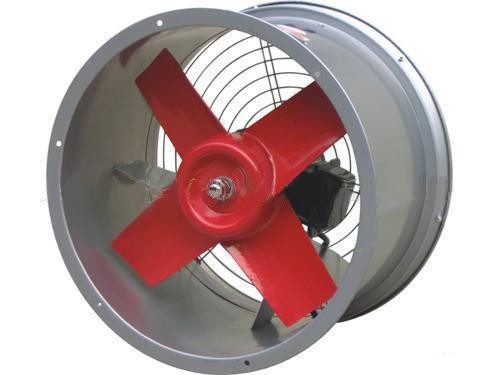
Before we explore the impact of air duct connections, let's briefly review the basics of workshop axial fans. These fans are designed to move air in a straight line along the axis of the fan blades. They are commonly used in workshops, warehouses, and other industrial settings to provide ventilation, remove heat, and improve air quality. Workshop axial fans come in various sizes and configurations, each tailored to specific applications and airflow requirements.
The Importance of Air Duct Connections
Air duct connections serve as the conduit through which air is transported from the fan to the desired location. A proper air duct connection is crucial for ensuring that the fan operates at its optimal performance level. Here are some key factors to consider:
Airflow Resistance
One of the primary effects of air duct connections on fan performance is airflow resistance. When air flows through a duct, it encounters friction against the duct walls, bends, and other obstructions. This resistance can significantly reduce the airflow rate and increase the energy consumption of the fan. To minimize airflow resistance, it's essential to use smooth, straight ducts with minimal bends and transitions. Additionally, the diameter of the duct should be appropriately sized to match the airflow capacity of the fan.
Static Pressure
Static pressure is another critical factor affected by air duct connections. Static pressure refers to the pressure exerted by the air within the duct system. A well-designed air duct connection can help maintain the required static pressure to ensure proper airflow distribution. If the static pressure is too low, the fan may not be able to overcome the resistance in the duct system, resulting in reduced airflow. On the other hand, if the static pressure is too high, it can cause excessive noise, vibration, and even damage to the fan.
Air Leakage
Air leakage is a common issue in air duct systems that can have a significant impact on fan performance. Leaks in the ductwork can allow air to escape, reducing the overall efficiency of the system and increasing energy costs. To prevent air leakage, it's important to ensure that all duct connections are properly sealed using appropriate gaskets, seals, and adhesives. Regular inspections and maintenance of the duct system can also help identify and repair any leaks promptly.
Types of Air Duct Connections
There are several types of air duct connections commonly used with workshop axial fans, each with its own advantages and disadvantages. Here are some of the most common types:
Flanged Connections
Flanged connections are one of the most popular types of air duct connections. They consist of a flange on the fan outlet and a corresponding flange on the duct inlet, which are bolted together to create a secure and airtight connection. Flanged connections are easy to install and provide a high level of sealing performance. However, they can be relatively expensive and may require additional space for installation.
Slip-Fit Connections
Slip-fit connections are a simpler and more cost-effective alternative to flanged connections. They involve sliding the duct onto the fan outlet and securing it with a clamp or band. Slip-fit connections are quick and easy to install, but they may not provide as tight a seal as flanged connections. Additionally, they may be more prone to air leakage over time.
Flexible Duct Connections
Flexible duct connections are made of a flexible material, such as PVC or metal foil, and are used to connect the fan to the duct system. They offer several advantages, including easy installation, flexibility, and the ability to accommodate movement and vibration. However, flexible ducts can also have a higher airflow resistance compared to rigid ducts, which can reduce the overall efficiency of the system.
Impact of Air Duct Connections on Fan Performance
Now that we've discussed the importance of air duct connections and the different types available, let's explore how they can impact the performance of workshop axial fans.
Airflow Rate
The airflow rate is one of the most important performance indicators of a workshop axial fan. A proper air duct connection can help maintain a consistent and efficient airflow rate by minimizing airflow resistance and preventing air leakage. On the other hand, a poorly designed or installed air duct connection can significantly reduce the airflow rate, resulting in inadequate ventilation and reduced air quality.
Energy Efficiency
Energy efficiency is another critical factor to consider when evaluating the performance of a workshop axial fan. A well-designed air duct connection can help reduce energy consumption by minimizing airflow resistance and ensuring that the fan operates at its optimal efficiency. In contrast, a poorly designed or installed air duct connection can increase energy consumption by forcing the fan to work harder to overcome the resistance in the duct system.
Noise and Vibration
Noise and vibration are common issues associated with workshop axial fans. A proper air duct connection can help reduce noise and vibration by providing a stable and secure connection between the fan and the duct system. On the other hand, a poorly designed or installed air duct connection can cause excessive noise and vibration, which can be a nuisance to workers and may even damage the fan over time.
Best Practices for Air Duct Connections
To ensure optimal performance of workshop axial fans, it's important to follow some best practices when installing and maintaining air duct connections. Here are some tips:
Choose the Right Duct Material
The choice of duct material can have a significant impact on the performance of the air duct system. When selecting a duct material, consider factors such as airflow resistance, durability, and cost. Common duct materials include galvanized steel, aluminum, and PVC.
Size the Duct Appropriately
Proper duct sizing is crucial for ensuring that the fan operates at its optimal performance level. The diameter of the duct should be appropriately sized to match the airflow capacity of the fan. A duct that is too small can cause excessive airflow resistance, while a duct that is too large can result in reduced static pressure and inefficient airflow.
Minimize Bends and Transitions
Bends and transitions in the air duct system can increase airflow resistance and reduce the efficiency of the fan. To minimize these effects, try to use straight ducts with minimal bends and transitions. When bends are necessary, use smooth, gradual bends to reduce turbulence and airflow resistance.
Seal All Duct Connections
Proper sealing of all duct connections is essential for preventing air leakage and ensuring the efficiency of the air duct system. Use appropriate gaskets, seals, and adhesives to seal all connections and joints. Regularly inspect the duct system for any signs of leakage and repair them promptly.
Maintain the Duct System
Regular maintenance of the air duct system is crucial for ensuring its long-term performance and reliability. This includes cleaning the ducts regularly to remove dust, debris, and other contaminants, inspecting the ductwork for any signs of damage or wear, and replacing any damaged or worn components as needed.
Conclusion
In conclusion, air duct connections play a crucial role in the performance of workshop axial fans. A proper air duct connection can help maintain a consistent and efficient airflow rate, reduce energy consumption, and minimize noise and vibration. On the other hand, a poorly designed or installed air duct connection can significantly reduce the performance of the fan and increase energy costs. As a supplier of workshop axial fans, I recommend following the best practices outlined in this blog post to ensure optimal performance and reliability of your air duct system.
If you're in the market for a high-quality workshop axial fan or need assistance with air duct design and installation, please don't hesitate to contact us. Our team of experts is dedicated to providing you with the best solutions for your ventilation needs.
References
- ASHRAE Handbook - Fundamentals. American Society of Heating, Refrigerating and Air-Conditioning Engineers.
- Industrial Ventilation: A Manual of Recommended Practice. American Conference of Governmental Industrial Hygienists.
- Fan Engineering: The Application of Air Moving Equipment. Buffalo Forge Company.