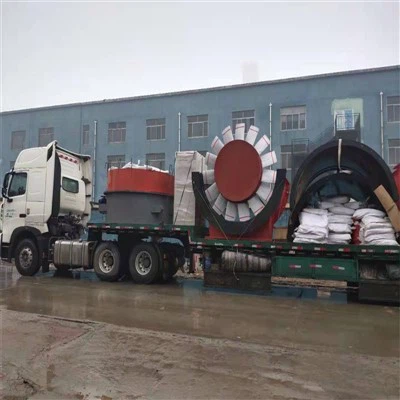
Hey there! As a supplier of centrifugal fans, I've seen my fair share of these machines in action. And let me tell you, a malfunctioning centrifugal fan can really throw a wrench in the works. Whether it's in an industrial setting or a commercial one, a faulty fan can lead to all sorts of problems, from poor air quality to equipment damage. So, in this blog post, I'm going to share with you some of the signs that your centrifugal fan might be malfunctioning.


Unusual Noises
One of the most obvious signs that something's wrong with your centrifugal fan is if it starts making strange noises. A well-functioning fan should run relatively quietly, with only a gentle hum. If you start hearing rattling, grinding, or screeching sounds, it's a clear indication that there's an issue.
Rattling noises could be caused by loose parts within the fan, such as bolts or screws that have come loose over time. This can be a serious problem, as loose parts can cause further damage to the fan if they're not tightened up. Grinding sounds, on the other hand, are often a sign of worn-out bearings. Bearings are essential components that allow the fan's shaft to rotate smoothly. When they start to wear out, they can cause the shaft to rub against other parts of the fan, resulting in that grinding noise.
Screeching sounds are usually a sign of a belt problem. If the fan is belt-driven, a loose or worn-out belt can cause it to slip and make a high-pitched screeching noise. In some cases, the belt might even break, which will cause the fan to stop working altogether.
Reduced Airflow
Another telltale sign of a malfunctioning centrifugal fan is reduced airflow. If you notice that the air coming out of the fan is weaker than usual, or if there's less air movement in the area where the fan is installed, it could be a sign that something's wrong.
There are several reasons why a centrifugal fan might experience reduced airflow. One common cause is a clogged air intake or outlet. Over time, dust, dirt, and other debris can accumulate in the fan's intake or outlet, blocking the flow of air. This can not only reduce the fan's efficiency but also cause it to overheat, which can lead to further damage.
Another possible cause of reduced airflow is a damaged impeller. The impeller is the part of the fan that actually moves the air. If it's damaged or bent, it won't be able to move as much air as it should. This can happen due to a variety of reasons, such as a foreign object getting caught in the fan or a manufacturing defect.
Excessive Vibration
Excessive vibration is another sign that your centrifugal fan might be malfunctioning. While some vibration is normal during operation, if the fan is vibrating more than usual, it could be a sign of a problem.
One possible cause of excessive vibration is an unbalanced impeller. If the impeller is not balanced correctly, it can cause the fan to vibrate as it rotates. This can not only be annoying but also cause damage to the fan and other nearby equipment. Another possible cause of excessive vibration is loose or worn-out mounting brackets. If the fan is not properly secured to its mounting surface, it can vibrate more than it should.
Overheating
Overheating is a serious problem that can occur in a malfunctioning centrifugal fan. If the fan is running too hot, it can cause damage to the motor and other components, which can lead to costly repairs or even the need to replace the fan altogether.
There are several reasons why a centrifugal fan might overheat. One common cause is a lack of proper ventilation. If the fan is installed in an area where there's not enough airflow, it can't dissipate heat effectively, which can cause it to overheat. Another possible cause of overheating is a malfunctioning motor. If the motor is not working properly, it can draw too much current, which can cause it to overheat.
Increased Energy Consumption
If you notice that your energy bills have been going up, it could be a sign that your centrifugal fan is malfunctioning. A faulty fan can consume more energy than a properly functioning one, which can lead to higher energy costs.
There are several reasons why a centrifugal fan might consume more energy. One common cause is a decrease in efficiency. As the fan ages or becomes damaged, it may not be able to move as much air as it used to, which means it has to work harder to achieve the same level of airflow. This can result in increased energy consumption. Another possible cause of increased energy consumption is a problem with the motor. If the motor is not running efficiently, it can draw more current, which can also lead to higher energy costs.
What to Do If You Notice These Signs
If you notice any of these signs in your centrifugal fan, it's important to take action as soon as possible. Ignoring the problem can lead to further damage and more costly repairs down the line.
The first thing you should do is turn off the fan and inspect it for any visible signs of damage. Check for loose parts, a clogged air intake or outlet, a damaged impeller, or any other obvious problems. If you're not comfortable doing this yourself, you can always call in a professional technician to take a look at the fan.
Once you've identified the problem, you can decide whether to repair or replace the fan. In some cases, a simple repair, such as tightening a loose bolt or replacing a worn-out belt, may be all that's needed. In other cases, however, the fan may be too damaged to repair, and you'll need to replace it.
Our Centrifugal Fan Solutions
At our company, we offer a wide range of centrifugal fans to meet the needs of various industries. Whether you're looking for a High Pressure Ventilator, Industrial Ventilation & Blower Solutions | High Pressure Centrifugal Fans, or a High-Efficiency Boiler Induced Draft Fan, we've got you covered.
Our fans are designed to be reliable, efficient, and easy to maintain. We use only the highest quality materials and components in our manufacturing process, and we subject each fan to rigorous testing to ensure that it meets our strict quality standards.
If you're experiencing problems with your centrifugal fan or if you're in the market for a new one, don't hesitate to contact us. Our team of experts is here to help you find the right fan for your needs and to provide you with the support and service you deserve. We can also offer you advice on how to maintain your fan to ensure that it operates at peak performance for years to come.
Conclusion
In conclusion, a malfunctioning centrifugal fan can cause a lot of problems, from poor air quality to equipment damage and increased energy costs. By knowing the signs of a malfunctioning fan, you can take action quickly to prevent further damage and keep your fan running smoothly. If you need a new centrifugal fan or if you're experiencing problems with your existing one, don't hesitate to reach out to us. We're here to help you find the right solution for your needs.
References
- ASHRAE Handbook - HVAC Systems and Equipment.
- Industrial Ventilation: A Manual of Recommended Practice.