Is it difficult to install a wall axial fan by myself?
As a supplier of Wall Axial Fans, I often get asked by customers whether it's difficult to install these fans on their own. In this blog post, I'll share some insights based on my experience in the industry to help you determine if a DIY installation is within your capabilities.
Understanding Wall Axial Fans
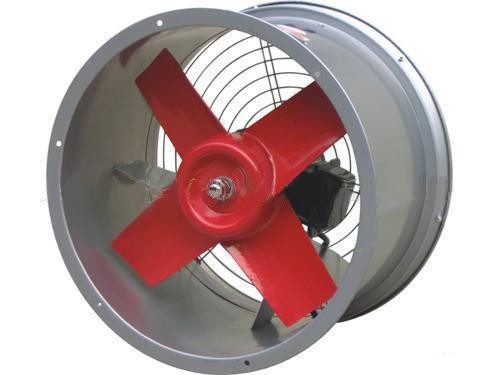
First, let's briefly understand what a Wall Axial Fan is. A Wall Axial Fan, as the name suggests, is designed to be installed on a wall. It works by drawing air in parallel to the axis of the fan blades and then expelling it in the same direction. These fans are commonly used in various settings such as workshops, warehouses, and small industrial spaces to provide ventilation and improve air circulation. You can learn more about Wall Axial Fans on our website: Wall Axial Fan.
Factors Affecting the Difficulty of Installation
1. Technical Knowledge
Installing a wall axial fan requires a basic understanding of electrical systems and some mechanical skills. You need to know how to safely connect the fan to a power source, which involves dealing with electrical wires. If you're not familiar with electrical work, it can be quite challenging and even dangerous. For example, improper wiring can lead to short - circuits, electrical shocks, or even fires. On the other hand, if you have some experience in handling electrical appliances or have done basic DIY electrical projects before, you may find the wiring part of the installation more manageable.
2. Tools and Equipment
To install a wall axial fan, you'll need a set of tools. These typically include a drill, screwdriver, measuring tape, and possibly a level. If you don't own these tools, you'll either need to purchase or rent them, which can add to the cost and complexity of the installation. Additionally, having the right tools in good condition is crucial. A dull drill bit, for instance, can make it difficult to create holes in the wall for mounting the fan.
3. Wall Type
The type of wall where you plan to install the fan also plays a significant role. If it's a drywall, the installation process may be relatively straightforward. You can usually use wall anchors to secure the fan bracket. However, if you're dealing with a concrete or brick wall, the installation becomes more challenging. Drilling into these hard surfaces requires a more powerful drill and special drill bits. You may also need to use masonry anchors to ensure the fan is securely attached.
4. Fan Size and Weight
Larger and heavier wall axial fans are generally more difficult to install. They require more robust mounting hardware and may need additional support during the installation process. Handling a heavy fan while trying to align it with the mounting holes on the wall can be a two - person job. Smaller fans, on the other hand, are easier to manage and can often be installed by a single person.
Step - by - Step Installation Process
Let's break down the installation process to give you a better idea of what's involved.
1. Preparation
- Choose the Location: Select a suitable location on the wall. It should be at a height where the fan can effectively circulate air and away from any obstructions. Use a measuring tape to mark the center of the area where you'll install the fan.
- Gather Tools and Materials: Collect all the necessary tools and materials, including the fan, mounting bracket, screws, wall anchors, and electrical wires.
2. Mounting the Bracket
- Drill Holes: If it's a drywall, use a drill to create holes for the wall anchors at the marked locations. For concrete or brick walls, use a masonry drill bit.
- Insert Wall Anchors: Insert the wall anchors into the holes. Make sure they are flush with the wall surface.
- Attach the Bracket: Place the mounting bracket over the wall anchors and use a screwdriver to secure it with screws.
3. Electrical Connection
- Turn off Power: Before starting any electrical work, turn off the power supply at the circuit breaker to avoid electrical shocks.
- Connect Wires: Follow the wiring diagram provided with the fan to connect the electrical wires. Usually, you'll need to connect the live, neutral, and ground wires. Make sure the connections are tight and insulated properly.
- Test the Connection: Once the wiring is complete, turn the power back on and test the fan to ensure it's working correctly.
4. Installing the Fan
- Lift the Fan: With the help of another person if necessary, lift the fan and align it with the mounting bracket.
- Secure the Fan: Use screws to attach the fan to the mounting bracket. Make sure it's firmly in place.
Tips for a Successful DIY Installation
- Read the Manual: Always read the installation manual that comes with the fan carefully. It contains specific instructions and safety guidelines for your particular model.
- Take Your Time: Rushing through the installation can lead to mistakes. Measure twice, drill once, and double - check all connections before proceeding.
- Seek Help if Needed: If you encounter any difficulties or are unsure about a particular step, don't hesitate to seek help from a professional or an experienced DIYer.
When to Call a Professional
While a DIY installation can be rewarding, there are situations where it's best to call a professional. If you're not confident in your electrical or mechanical skills, or if the installation involves complex wiring or a challenging wall type, a professional installer can ensure the job is done safely and correctly. Additionally, if your fan is part of a larger ventilation system, a professional can integrate it properly with the existing setup.

Conclusion
Installing a wall axial fan by yourself can range from relatively easy to quite difficult, depending on several factors such as your technical knowledge, the tools you have, the wall type, and the size of the fan. If you're up for the challenge and have the necessary skills and tools, a DIY installation can save you money. However, if you're not comfortable with any aspect of the process, it's always better to hire a professional.
If you're considering purchasing a Wall Axial Fan for your ventilation needs, we're here to assist you. Our team of experts can provide you with detailed product information and help you choose the right fan for your space. Whether you need advice on installation or are ready to place an order, feel free to contact us for a purchase and negotiation. We're committed to providing high - quality products and excellent customer service.
References
- "Handbook of Ventilation Engineering"
- Manufacturer's installation manuals for Wall Axial Fans