


Role and Applications of Induced Draft Fans in Modern Industrial Systems

How Induced Draft Fans Work
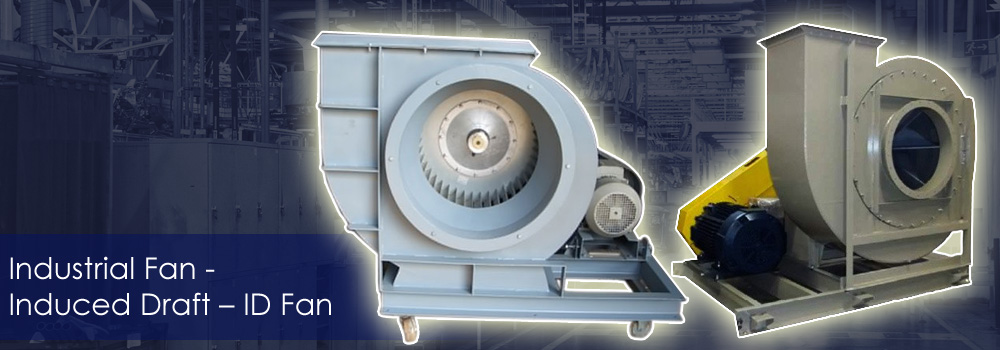
Induced draft fans operate by creating negative pressure that pulls air or gases through the system and then expels them out, typically through a stack or chimney. This negative pressure helps to manage exhaust gases efficiently, preventing heat buildup, reducing the risk of hazardous fumes, and enhancing overall airflow. The airflow rate and pressure levels are essential considerations, as they determine the fan's effectiveness in managing the unique requirements of each industry.
Key Applications Across Industries
Power Generation:
In thermal power plants, induced draft fans are crucial for handling exhaust gases from boilers. They aid in cooling the system, improving combustion and minimizing pollutant emissions.
Steel and Metalworking
These fans are used to control the heat and exhaust gases from furnaces and other high-temperature processes, ensuring worker safety and equipment longevity.
Chemical and Petrochemical Plants
For chemical processes, induced draft fans help manage air quality by removing volatile compounds and minimizing the risk of chemical exposure.
Pulp and Paper
In pulp and paper mills, fans assist in managing exhaust during the processing and drying phases, improving indoor air quality and contributing to energy efficiency.
Benefits of Induced Draft Fans
Induced draft fans offer numerous advantages that make them a preferred choice in demanding industrial applications
Energy Efficiency
Many modern designs incorporate variable frequency drives (VFDs) that allow operators to adjust fan speeds based on real-time requirements, reducing unnecessary energy usage.
01
Environmental Compliance
By effectively managing the emission of gases and particulates, induced draft fans help industries adhere to strict environmental regulations.
02
Improved Safety
Proper ventilation is essential to remove hazardous fumes, making workplaces safer for employees and reducing the risk of accidents.
03
Durability
High-quality induced draft fans are constructed from corrosion-resistant materials and designed for high-temperature environments, ensuring reliable operation even in challenging conditions
04
Recent Advancements in Induced Draft Fans
Enhanced Materials and Design
Advancements in fan materials, such as anti-corrosive alloys and heat-resistant coatings, improve durability and performance, making them more suitable for various industrial environments.
Smart Technologies
The incorporation of IoT and AI in modern induced draft fans has led to smart monitoring and control features, which enable predictive maintenance and efficient operation adjustments.
Sustainability-Focused Innovations
Many manufacturers are developing fans that are designed to minimize energy usage and emissions, in line with global sustainability trends.
Choosing the Right Induced Draft Fan
Selecting the appropriate induced draft fan involves several critical considerations
Airflow and Pressure Requirements
Each application has specific airflow and pressure needs, which the fan design must meet.
Environmental Factors
High-temperature, high-moisture, or corrosive environments require fans made from specialized materials
Operational Efficiency
Energy-efficient models with adjustable controls are highly beneficial for long-term cost savings.
Maintenance and Support
Choose fans with easy maintenance options and strong after-sales support to ensure smooth and cost-effective operation.
Conclusion
Induced draft fans are essential to modern industry, offering both practical and sustainable solutions for exhaust and air quality management. With ongoing advancements, these fans are becoming even more efficient, durable, and environmentally friendly, aligning with industry demands for cost-effective and compliant ventilation solutions. Understanding the different types, applications, and benefits of these fans helps companies choose the right solutions to enhance safety, efficiency, and operational sustainability.
FAQ
Q: What parameters need to be provided when you design the industrial centrifugal fans?
Q: How about your company's pre-sales service and after-sales service?
Q: Does your company have qualifications?


